
كشفت تقارير صحفية حديثة عن تحركات حكومية مكثفة في المملكة المتحدة للتعامل مع أزمات الإمداد العالمية. وفي هذا السياق، أفاد تقرير صدر يوم الخميس بأن مسؤولين حكوميين بريطانيين قد وضعوا خطط طوارئ استراتيجية لمواجهة نقص محتمل في المواد الغذائية. يأتي هذا التحرك الاستباقي في ظل المخاوف من تراجع إمدادات غاز ثاني أكسيد الكربون الحيوي، وذلك جراء استمرار التهديدات المتعلقة بإغلاق مضيق هرمز. وذكرت صحيفة “التايمز” البريطانية أن تحليلاً حكومياً سرياً توقع حدوث عجز كبير في إمدادات ثاني أكسيد الكربون، ما لم تتوصل الأطراف المعنية، وتحديداً إيران والولايات المتحدة، إلى اتفاق يضمن فتح هذا الممر المائي الاستراتيجي.
السياق الجيوسياسي والأهمية الاستراتيجية لمضيق هرمز
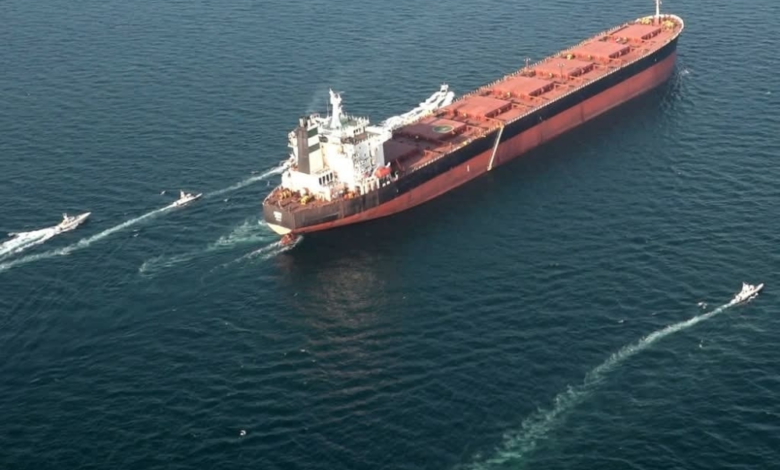
يُعد مضيق هرمز واحداً من أهم الممرات المائية وأكثرها حساسية في العالم، حيث يربط بين الخليج العربي وخليج عُمان وبحر العرب. تاريخياً، يمر عبر هذا المضيق نسبة كبيرة من استهلاك العالم من النفط، بالإضافة إلى كميات هائلة من الغاز الطبيعي المسال. وتكمن المشكلة في أن الغاز الطبيعي هو المكون الأساسي لصناعة الأسمدة، والتي يُعد غاز ثاني أكسيد الكربون منتجاً ثانوياً لها. وبالتالي، فإن أي تعطل في حركة الملاحة عبر المضيق ينعكس فوراً على أسعار الطاقة العالمية، مما يهدد سلاسل التوريد في أوروبا وبريطانيا، ويؤدي إلى انقطاع إمدادات ثاني أكسيد الكربون.
تفاصيل خطة الطوارئ “تمرين تيرنستون”
أشار التقرير الحكومي السري إلى أن المسؤولين في بريطانيا قد درسوا بعناية “أسوأ سيناريو معقول” من خلال عملية محاكاة دقيقة أُطلق عليها اسم “تمرين تيرنستون”. واستند هذا السيناريو إلى وضع افتراضي في شهر يونيو، حيث تكون حركة الملاحة التجارية عبر المضيق لا تزال محدودة للغاية، مع تعثر الجهود الدبلوماسية في التوصل إلى اتفاق سلام دائم. هذا الوضع دفع الحكومة إلى تقييم المخاطر بشكل شامل لضمان استمرارية الحياة اليومية للمواطنين دون انقطاع في السلع الأساسية.
لماذا يعتبر ثاني أكسيد الكربون حيوياً؟
قد يتساءل البعض عن سبب ارتباط الغذاء بغاز ثاني أكسيد الكربون. الواقع أن هذا الغاز يُعد عنصراً بالغ الأهمية لصناعة الأغذية والمشروبات؛ فهو يُستخدم بشكل أساسي في عملية ذبح الدواجن والمواشي، كما أنه ضروري لزيادة مدة صلاحية اللحوم المعلبة، المخبوزات، والسلطات المعبأة. ولا يقتصر الأمر على الغذاء، بل يمتد إلى قطاعات حيوية أخرى، حيث يُستخدم في التصوير بالرنين المغناطيسي في المستشفيات، وعمليات تنقية المياه، وتبريد محطات الطاقة النووية المدنية.
التداعيات والحلول الحكومية البديلة
على الرغم من هذه التوقعات المقلقة، حرص وزير الأعمال البريطاني، بيتر كايل، على طمأنة المواطنين، مؤكداً أن الحكومة “تبذل قصارى جهدها في هذا الشأن”. وأوضح كايل أن إمدادات الغاز “ليست مصدر قلق” لبريطانيا في الوقت الراهن. وفي تصريح لشبكة “سكاي نيوز”، قال: “إذا طرأ أي تغيير على هذه الأمور، فسأُطلع الجمهور عليه مسبقاً حتى نتمكن من الاستعداد”، مضيفاً أنه ينبغي للناس في الوقت الحالي أن يستمروا في حياتهم كالمعتاد.
تأثيرات الحرب الإيرانية وتأمين الإمدادات
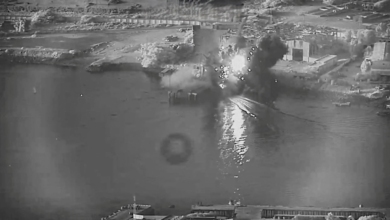
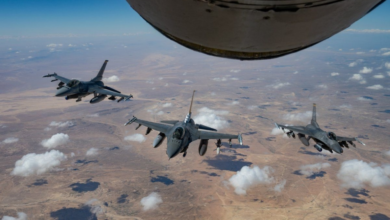
وفي سياق متصل بالأحداث الجيوسياسية، لفت الوزير كايل إلى أن التوترات التي أعقبت الهجوم الأمريكي الإسرائيلي على إيران في 28 فبراير الماضي، دفعت الجمهورية الإسلامية إلى التلويح بإغلاق المضيق. وكاستجابة مباشرة لتداعيات ما وُصف بـ “الحرب الإيرانية” وتأثيرها على سلاسل التوريد، اتخذت الحكومة البريطانية خطوة استراتيجية تمثلت في إعادة تشغيل مصنع لإنتاج الإيثانول الحيوي. هذا المصنع ينتج ثاني أكسيد الكربون كمنتج ثانوي، مما يساهم بشكل فعال في تعزيز إمدادات المملكة المتحدة من هذا الغاز الحيوي وتقليل الاعتماد على الواردات الخارجية المعرضة للتقلبات السياسية.