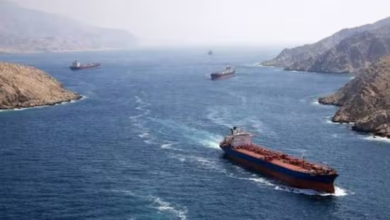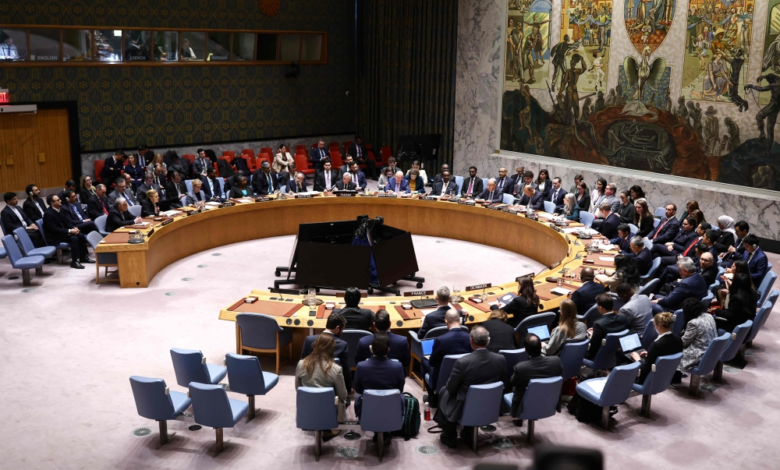

يترقب العالم باهتمام بالغ تصويت مجلس الأمن التابع للأمم المتحدة، المقرر إجراؤه يوم الجمعة، للبت في مشروع قرار استراتيجي قدمته البحرين. يهدف هذا المشروع المدعوم أمريكياً إلى إجازة استخدام القوة “الدفاعية” لحماية خطوط الملاحة البحرية في مضيق هرمز، وذلك رداً على تصاعد الهجمات الإيرانية التي باتت تهدد استقرار المنطقة.
السياق التاريخي والأهمية الاستراتيجية لمضيق هرمز
تاريخياً، يُعد مضيق هرمز الشريان الأهم للاقتصاد العالمي، حيث يربط بين الخليج العربي وخليج عُمان وبحر العرب. يمر عبر هذا الممر المائي الضيق حوالي خُمس إنتاج العالم من النفط الخام والغاز الطبيعي المسال. لطالما كان المضيق نقطة اشتعال للتوترات الجيوسياسية، لعل أبرزها “حرب الناقلات” إبان الحرب العراقية الإيرانية في الثمانينيات، حيث أدرك المجتمع الدولي حينها أن أي تهديد لحرية الملاحة في هذا المضيق يعني شللاً مباشراً للاقتصاد العالمي. وفي السياق الحالي، فرضت إيران حصاراً على المضيق رداً على الضربات الأمريكية الإسرائيلية، مما أشعل فتيل أزمة جديدة في الشرق الأوسط تُهدد بقطع إمدادات الوقود وزعزعة استقرار الأسواق العالمية.
تحذيرات من إرهاب اقتصادي وتداعيات دولية
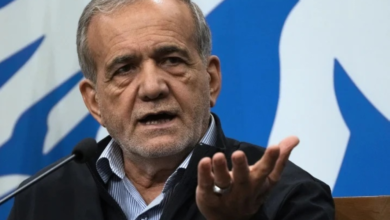
أمام هذه التطورات الخطيرة، حذر المندوب الدائم لمملكة البحرين لدى الأمم المتحدة، السفير جمال الرويعي، من أن استمرار هذا الوضع يمثل “خنقاً وإرهاباً اقتصادياً” لا يقتصر تأثيره على دول المنطقة فحسب، بل يمتد ليشمل العالم أجمع. وأكد أن مشروع القرار، الذي خضع لتعديلات مكثفة ويحظى بدعم قوي من الولايات المتحدة، يأتي في “توقيت حساس ومهم” لإنقاذ الاقتصاد العالمي من ركود محتمل نتيجة الارتفاع الحاد المتوقع في أسعار الطاقة.
الوسائل الدفاعية والمواقف المتباينة
تُجيز المسودة الحالية للقرار للدول الأعضاء، سواء بشكل أحادي أو عبر “شراكات بحرية طوعية متعددة الجنسيات”، استخدام “كل الوسائل الدفاعية اللازمة والمتناسبة مع الظروف” لضمان سلامة السفن وتأمين عبور الترانزيت. ويُفترض أن يستمر هذا الإجراء لمدة ستة أشهر على الأقل. وفي موقف لافت، دعا الرئيس الأمريكي دونالد ترامب الدول التي تعاني من نقص الوقود إلى حماية سفنها بنفسها، مشيراً إلى أن القوات الأمريكية لن تتولى هذه المهمة نيابة عن أحد.
مخاوف من تصعيد إضافي وفيتو محتمل
على الجانب الآخر، يواجه مشروع القرار معارضة وانقساماً دولياً. فقد حذرت الصين من أن السماح باستخدام القوة قد يؤدي إلى “تصعيد إضافي” خطير، بينما وصفت روسيا النص بأنه “متحيز”، مما يلوح باحتمالية استخدام حق النقض (الفيتو). من جهته، اعتبر الرئيس الفرنسي إيمانويل ماكرون أن فكرة شن عملية عسكرية لتحرير المضيق “غير واقعية”، محذراً من أنها ستستغرق وقتاً طويلاً وتعرض جميع السفن العابرة لخطر محقق. وأكد السفير الفرنسي جيروم بونافون أن المجلس مطالب بوضع رد دفاعي سريع.
تأثيرات القرار ومستقبل أمن الطاقة
يرى المحللون، ومنهم دانيال فورتي من مجموعة الأزمات الدولية، أن تمرير القرار دونه عقبات كبرى بسبب الموقفين الروسي والصيني. وأوضح أن التركيز على الحلول العسكرية يتجاهل الحاجة الملحّة لتسوية سياسية شاملة. وتجدر الإشارة إلى أن قرارات مجلس الأمن التي تجيز استخدام القوة تُعد نادرة تاريخياً؛ فقد حدث ذلك في عام 1990 لتحرير الكویت، وفي عام 2011 للتدخل في ليبيا. اليوم، يقف العالم مجدداً أمام مفترق طرق: إما حماية أمن الطاقة العالمي بالقوة، أو الانزلاق نحو صراع إقليمي مفتوح.