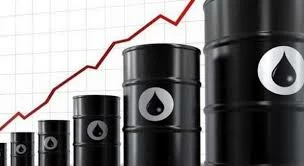

Gasoline prices in the United States have risen sharply, marking their largest daily increase in six weeks, a development that puts additional pressure on consumers and raises concerns about inflation. This surge is primarily driven by the continued rise in global crude oil prices, which have recently been affected by geopolitical tensions, including the stalled talks between the United States and Iran, further increasing uncertainty in energy markets.
According to data from the American Automobile Association (AAA), the average price of a gallon of regular gasoline reached approximately $4.39, an increase of 9 cents from the previous day, marking the largest daily jump in over a month. This is the highest level fuel prices have reached since July 2022, recalling the surge in energy markets that followed international conflicts that disrupted global supply chains.
General context and background of price fluctuations
Historically, gasoline prices in the United States have been closely tied to the global price of crude oil, which constitutes the largest component of fuel costs. Crude oil prices are influenced by multiple factors, most notably decisions by the Organization of the Petroleum Exporting Countries and its allies (OPEC+) regarding production levels, geopolitical tensions in key oil-producing regions such as the Middle East, as well as the strength of the US dollar and the level of global demand. Recent years have witnessed sharp fluctuations, particularly following the Ukrainian crisis, which led to a reshaping of the global energy landscape and the imposition of sanctions on Russian energy exports, pushing prices to record highs.
The economic and social impact of the rise
Domestically, rising gasoline prices represent a direct burden on American household budgets, eroding disposable income and reducing purchasing power. Given the U.S. economy's heavy reliance on road transportation, increased fuel costs affect not only individual drivers but also the shipping and logistics sectors, raising the cost of transporting goods. These additional costs are often passed on to the end consumer in the form of higher product prices, fueling the inflationary pressures that the Federal Reserve (the U.S. central bank) seeks to contain.
The severity of this impact varies across states, with data revealing significant price gaps. For example, the average price per gallon in California reached $6.06 due to high environmental taxes and stringent fuel standards, while in Texas it was around $3.89, reflecting differences in local taxes and proximity to refineries. This disparity highlights the complex nature of the US fuel market.
Future outlook and expectations
Internationally, the price surge in the world's largest economy reflects the prevailing anxiety in global energy markets. Analysts are closely monitoring any developments that could affect the supply and demand balance, including future production decisions by OPEC+ and the course of Iranian nuclear negotiations, which, if successful, could bring significant quantities of Iranian oil back to the market. With the summer season approaching, which typically sees increased fuel demand due to travel and holidays, experts expect prices to remain high, keeping pressure on both consumers and policymakers.