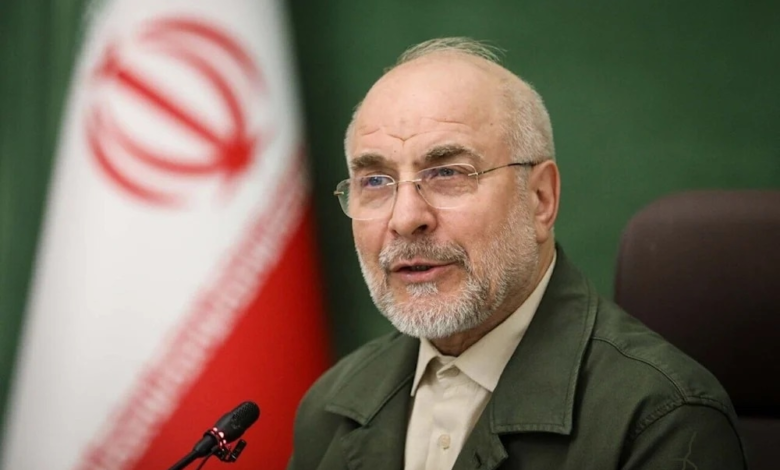

Fiery statements from the Speaker of the Iranian Parliament
In a rhetorical escalation reflecting the heightened tensions surrounding the anticipated negotiations, Iranian Parliament Speaker Mohammad Bagher Ghalibaf stated that US President Donald Trump is attempting to transform the negotiating table into a "surrender table." Ghalibaf, in remarks carried by Al Arabiya, emphasized that Tehran will not enter into any negotiations under duress, stressing that diplomacy must be based on mutual respect, not on imposing a fait accompli.
Historical context: From the nuclear agreement to the maximum pressure policy
These statements come amid intensive diplomatic efforts to revive dialogue between the United States and Iran after years of stagnation and hostility. The current tensions stem from 2018, when President Trump unilaterally withdrew from the landmark nuclear agreement (the Joint Comprehensive Plan of Action – JCPOA), signed in 2015. This agreement aimed to curb Iran’s nuclear program in exchange for lifting international economic sanctions. Following the withdrawal, Washington reimposed harsh economic sanctions as part of its so-called “maximum pressure” campaign, which has led to a sharp decline in the Iranian economy and increased tensions in the Middle East.
The importance of negotiations and their potential impact
The current negotiations, hosted by Pakistan as mediator, are of paramount importance on all levels. Domestically in Iran, reaching an agreement represents a chance to revitalize the struggling economy and alleviate the burden on citizens. Regionally, the success of the dialogue could contribute to de-escalation in proxy conflict zones such as Yemen and Syria, and pave the way for broader dialogue between Iran and its neighbors. Internationally, the world is closely watching these talks due to their direct impact on global energy prices, the stability of navigation in vital waterways like the Strait of Hormuz, and global efforts to prevent nuclear proliferation.
Conflicting indicators and ongoing challenges
Despite Qalibaf’s hardline rhetoric, there are other signs of cautious optimism. The Washington Post quoted an Iranian official as saying that “the broad outlines” had been agreed upon, while a Pakistani official told Reuters that they had received a “positive signal” from Tehran regarding the talks. Islamabad is working to extend the current truce between the two sides to give diplomacy more time. However, challenges remain, with reports suggesting a possible split within the Iranian negotiating team, which could complicate reaching a final agreement acceptable to all parties.