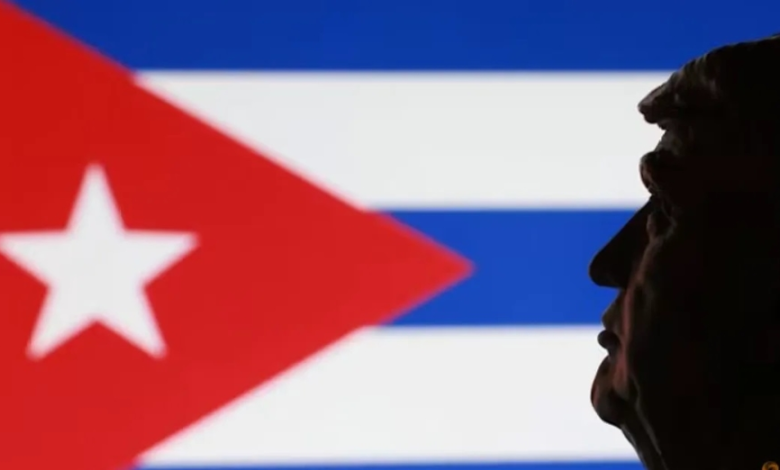

أعلنت الحكومة الكوبية عن إجراء محادثات مع مسؤولين أمريكيين في العاصمة هافانا خلال الفترة الأخيرة، في خطوة دبلوماسية نادرة تأتي في خضم تصاعد التوتر بين البلدين وتشديد الحصار الاقتصادي الذي تفرضه واشنطن على الجزيرة. وقد أكد مسؤول رفيع المستوى في وزارة الخارجية الكوبية، في تصريحات لصحيفة “غرانما” الرسمية، انعقاد اللقاء بين وفدين من البلدين، دون الخوض في تفاصيل حول طبيعة المحادثات أو القضايا التي تم تناولها.
خلفية تاريخية من التوتر والانفراج
تأتي هذه المحادثات على خلفية تاريخ طويل ومعقد من العداء بين الولايات المتحدة وكوبا، بدأ منذ الثورة الكوبية عام 1959. فرضت واشنطن حصارًا اقتصاديًا وتجاريًا وماليًا شاملاً على كوبا في أوائل الستينيات، وهو الحصار الذي لا يزال ساريًا حتى اليوم ويعد أطول حصار في التاريخ الحديث. شهدت العلاقات فترة انفراج تاريخية في عهد الرئيس الأمريكي باراك أوباما، حيث تم استئناف العلاقات الدبلوماسية عام 2015، وخُففت بعض القيود على السفر والتجارة. إلا أن هذا التقارب سرعان ما تراجع مع وصول إدارة الرئيس دونالد ترامب إلى السلطة، التي أعادت فرض وتشديد العقوبات، مستهدفة بشكل خاص قطاعي السياحة والطاقة في كوبا.
أهمية المحادثات في ظل الأزمة الراهنة
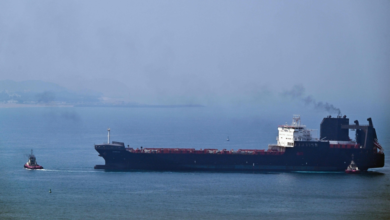
تكتسب هذه اللقاءات أهمية خاصة بالنظر إلى الظروف الصعبة التي تمر بها كوبا. تواجه الجزيرة، التي يبلغ عدد سكانها أكثر من 11 مليون نسمة، أزمة اقتصادية وطاقة خانقة. وقد تفاقمت الأوضاع بشكل حاد بسبب تشديد العقوبات الأمريكية التي استهدفت شحنات النفط القادمة من فنزويلا، الحليف الرئيسي لهافانا ومصدرها الأساسي للوقود. وأدى هذا النقص الحاد في الوقود إلى شلل جزئي في قطاعات النقل والزراعة والصناعة، مما أثر بشكل مباشر على حياة المواطنين اليومية. على الصعيد الإقليمي، يُنظر إلى أي حوار بين واشنطن وهافانا على أنه مؤشر محتمل على تغير في الديناميكيات السياسية في أمريكا اللاتينية، خاصة فيما يتعلق بالأزمة في فنزويلا، حيث تدعم كوبا بقوة حكومة نيكولاس مادورو.
تأثيرات محتملة وتحديات مستقبلية
على الرغم من أن مجرد انعقاد هذه المحادثات يعد خطوة إيجابية، إلا أن الطريق نحو تطبيع العلاقات لا يزال طويلاً ومليئًا بالتحديات. فمن جهة، تصر واشنطن على ضرورة إجراء تغييرات سياسية جوهرية في كوبا ووقف دعمها لفنزويلا كشرط لرفع العقوبات. ومن جهة أخرى، تؤكد هافانا على حقها في السيادة ورفضها لأي تدخل خارجي في شؤونها الداخلية. وكان الرئيس الكوبي ميغيل دياز كانيل قد أعلن في وقت سابق أن بلاده مستعدة لمواجهة أي سيناريوهات محتملة، بما في ذلك “هجوم محتمل”، ردًا على ما وصفه بالتهديدات المتكررة من واشنطن. ويبقى مستقبل العلاقات بين البلدين مرهونًا بمدى جدية الطرفين في إيجاد أرضية مشتركة لحل الخلافات العميقة، وهو ما قد يكون له تأثير كبير ليس فقط على شعبيهما، بل على استقرار المنطقة بأكملها.