
مفاوضات تمهيدية في خضم حرب تجارية
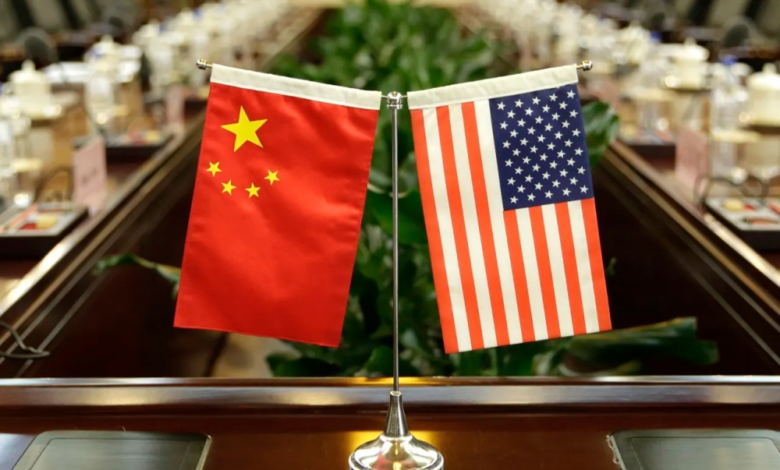
في خطوة دبلوماسية يترقبها العالم، أعلنت وزارتا التجارة الصينية والخزانة الأمريكية عن عقد محادثات اقتصادية وتجارية بين مسؤولين رفيعي المستوى من البلدين في العاصمة الكورية الجنوبية، سيول. وتأتي هذه الاجتماعات، التي يشارك فيها نائب رئيس الوزراء الصيني هي ليفينج، ومسؤولون من الخزانة الأمريكية، كخطوة تمهيدية حاسمة قبل القمة المرتقبة التي ستجمع الرئيس الأمريكي آنذاك دونالد ترامب ونظيره الصيني شي جين بينغ في بكين.
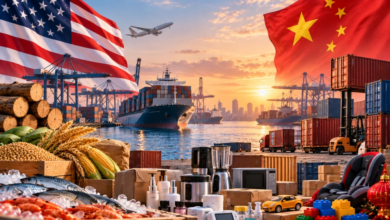
تُعقد هذه اللقاءات في ظل توترات غير مسبوقة بين أكبر اقتصادين في العالم، حيث أشعلت إدارة ترامب حربًا تجارية بفرضها رسومًا جمركية على مئات المليارات من الدولارات من السلع الصينية، وردت بكين بإجراءات مماثلة، مما ألقى بظلال من عدم اليقين على الاقتصاد العالمي.
خلفية الصراع الاقتصادي
تعود جذور التوتر إلى اتهامات أمريكية طويلة الأمد للصين بممارسات تجارية غير عادلة، بما في ذلك العجز التجاري الأمريكي الضخم مع الصين، وسرقة الملكية الفكرية، والنقل القسري للتكنولوجيا من الشركات الأمريكية كشرط للوصول إلى السوق الصينية. وقد تبنى الرئيس ترامب نهجًا تصادميًا، مؤكدًا على شعار “أمريكا أولاً”، بهدف إعادة التوازن للعلاقات التجارية وحماية الصناعات والوظائف الأمريكية. هذه السياسة أدت إلى جولات متعددة من المفاوضات المتقطعة التي لم تفلح في تحقيق انفراجة دائمة، مما يجعل أهمية هذه المحادثات التمهيدية والقمة الرئاسية اللاحقة بالغة الأهمية.
أهمية المحادثات وتأثيرها المتوقع
تكتسب هذه المحادثات أهميتها من كونها تهدف إلى تمهيد الطريق وتحديد أجندة القمة الرئاسية. يسعى المفاوضون إلى إيجاد أرضية مشتركة حول القضايا الشائكة مثل حجم الرسوم الجمركية، وآليات حماية الملكية الفكرية، وفتح المزيد من الأسواق الصينية أمام الشركات الأمريكية، بالإضافة إلى قضايا استراتيجية أحدث مثل التنافس في مجال الذكاء الاصطناعي والتكنولوجيا المتقدمة. وأكد وزير الخزانة الأمريكي في تصريح له على أن “الأمن الاقتصادي هو أمن قومي”، مما يعكس البعد الاستراتيجي العميق لهذه المفاوضات.
على الصعيد الدولي، تترقب الأسواق العالمية والشركاء التجاريون للبلدين نتائج هذه الاجتماعات بقلق. فأي تقدم نحو اتفاق من شأنه أن يعزز الثقة في الاقتصاد العالمي ويخفف الضغط على سلاسل الإمداد الدولية. وعلى العكس، فإن أي فشل في تحقيق تقارب قد يؤدي إلى تصعيد جديد في الحرب التجارية، مما يهدد بجر الاقتصاد العالمي نحو الركود. أما إقليميًا، فإن دولًا مثل كوريا الجنوبية واليابان، التي تعتمد اقتصاداتها بشكل كبير على التجارة مع كل من الصين والولايات المتحدة، تأمل في التوصل إلى حل يضمن استقرار المنطقة اقتصاديًا وسياسيًا.