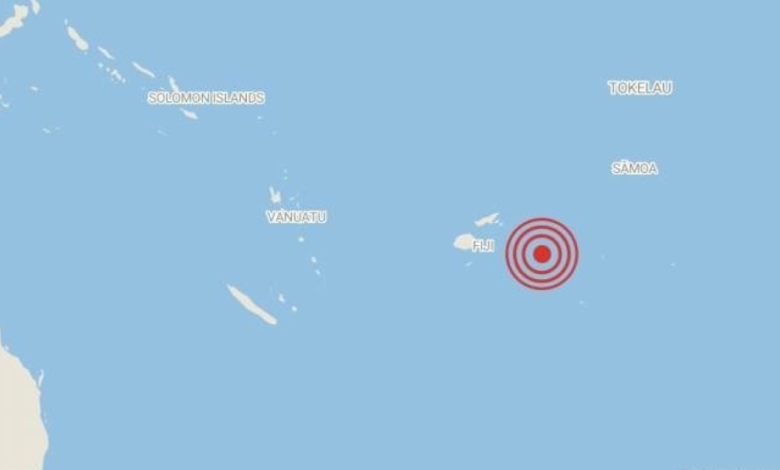

ضرب زلزال بلغت قوته 5 درجات على مقياس ريختر، اليوم الخميس، المنطقة الواقعة جنوب جزر فيجي في المحيط الهادئ. وعلى الرغم من أن الهزة تعتبر متوسطة القوة، إلا أنه لم يتم الإبلاغ عن وقوع أي خسائر بشرية أو أضرار مادية، كما لم يصدر أي تحذير من احتمالية حدوث موجات تسونامي.
السياق الجيولوجي: فيجي في قلب “حزام النار”
تقع جمهورية فيجي، وهي دولة جزرية في ميلانيزيا جنوب المحيط الهادئ، ضمن ما يُعرف بـ “حزام النار” أو “حلقة النار” في المحيط الهادئ. هذه المنطقة عبارة عن حزام يمتد لمسافة 40 ألف كيلومتر، وتتميز بنشاطها الزلزالي والبركاني المرتفع، حيث يقع فيها حوالي 90% من الزلازل في العالم وتضم أكثر من 75% من البراكين النشطة. يعود هذا النشاط المكثف إلى حركة الصفائح التكتونية، حيث تقع فيجي بالقرب من منطقة تصادم معقدة بين الصفيحة الأسترالية وصفيحة المحيط الهادئ، مما يجعلها عرضة دائمة للهزات الأرضية.
أهمية عمق الزلزال وتأثيره المحدود
أفاد المركز الألماني لأبحاث علوم الأرض أن مركز الزلزال كان على عمق سحيق بلغ 542.3 كيلومترًا تحت سطح الأرض. ويعتبر هذا العمق الكبير هو السبب الرئيسي في عدم الشعور بالهزة على نطاق واسع وعدم تسببها في أي أضرار. فالزلازل العميقة (Deep-focus earthquakes) تتبدد طاقتها بشكل كبير أثناء انتقال الموجات الزلزالية عبر طبقات الأرض الصخرية قبل وصولها إلى السطح. على النقيض من ذلك، فإن الزلازل الضحلة التي تحدث بالقرب من السطح، حتى لو كانت بنفس القوة، يمكن أن تكون مدمرة للغاية لأن طاقتها تصل إلى السطح بكامل قوتها تقريبًا، مسببة اهتزازات عنيفة للمباني والبنية التحتية.
لا خطر من تسونامي والمراقبة المستمرة
لم تصدر السلطات المحلية أو المراكز الدولية، مثل مركز التحذير من التسونامي في المحيط الهادئ (PTWC)، أي تحذيرات من حدوث أمواج مد عاتية. ويعود ذلك إلى أن الزلازل العميقة نادرًا ما تسبب إزاحة كبيرة في قاع البحر، وهو الشرط الأساسي لتولد موجات التسونامي. يمثل هذا الحدث تذكيرًا بالطبيعة الجيولوجية النشطة للمنطقة، ولكنه يسلط الضوء أيضًا على أهمية شبكات الرصد الزلزالي العالمية التي توفر بيانات دقيقة وفورية عن قوة الزلازل وعمقها، مما يساعد في تقييم المخاطر بسرعة وطمأنة السكان عند عدم وجود خطر مباشر.