
مقدمة: انفراجة في العلاقات التجارية
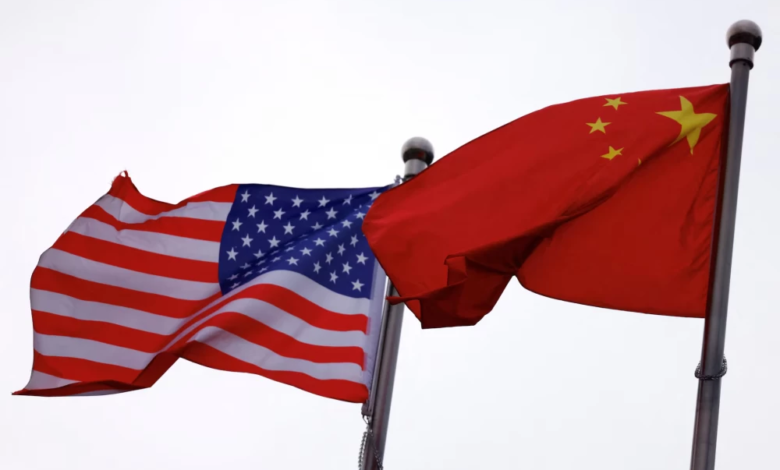
في خطوة هامة نحو تهدئة التوترات الاقتصادية العالمية، اتفقت الصين والولايات المتحدة الأمريكية على خفض الرسوم الجمركية المفروضة على بعض المنتجات الاستراتيجية. يهدف هذا الاتفاق المحوري إلى تعزيز التجارة الثنائية بين أكبر اقتصادين في العالم، وذلك بحسب بيان رسمي صادر عن وزارة التجارة الصينية. تأتي هذه التطورات لتشكل نقطة تحول في مسار العلاقات الاقتصادية الدولية التي طالما تأثرت بتقلبات السياسات التجارية بين واشنطن وبكين.
تفاصيل القمة الثنائية في بكين
وأصدرت وزارة التجارة الصينية بياناً تفصيلياً عقب اختتام قمة رفيعة المستوى استمرت لمدة يومين في العاصمة الصينية بكين. جمعت هذه القمة بين الرئيس الأمريكي دونالد ترامب ونظيره الصيني شي جين بينغ. ورغم حساسية الملفات الاقتصادية، أشار ترامب في تصريحاته إلى أن مسألة الرسوم الجمركية لم تُطرح بشكل مباشر وحاد خلال اجتماعاته المغلقة مع الرئيس شي، مما يعكس رغبة الطرفين في التركيز على الحلول الدبلوماسية وتوسيع آفاق التعاون بدلاً من التصعيد المباشر.
إجراءات متبادلة لتعزيز التجارة بين أمريكا والصين
وبينت الحكومة الصينية أن بكين وواشنطن ستتبنيان سلسلة من الإجراءات العملية والخطوات الملموسة في المستقبل القريب. تشمل هذه الإجراءات خفض الرسوم الجمركية المتبادلة على حزمة من المنتجات المحددة. ويهدف هذا التوجه بشكل أساسي إلى توسيع نطاق التجارة الثنائية، مع التركيز بشكل خاص على قطاعات حيوية مثل قطاع الزراعة الذي يمثل أهمية قصوى للجانبين. إن تخفيف القيود الجمركية يسهم في خفض تكاليف الاستيراد والتصدير، مما ينعكس إيجاباً على المستهلكين والشركات في كلا البلدين.
انعكاسات الاتفاق على قطاعي الزراعة والطيران
من أبرز النقاط التي تضمنها البيان الصيني، التأكيد على خطة بكين الاستراتيجية لشراء طائرات أمريكية الصنع. ورغم أن البيان لم يحدد العدد الدقيق للطائرات أو العلامة التجارية المستهدفة، إلا أن هذه الخطوة تُعد رسالة إيجابية قوية لدعم قطاع صناعة الطيران الأمريكي الذي يعتمد بشكل كبير على السوق الصينية الضخمة. علاوة على ذلك، أكدت بكين التزامها بالعمل بشكل نشط وفعال لمعالجة المخاوف الأمريكية المتعلقة بواردات المنتجات الزراعية. يُذكر أن المزارعين الأمريكيين يعتمدون بشكل كبير على تصدير محاصيلهم إلى السوق الصينية، وأي تسهيلات في هذا الإطار تدعم الاقتصاد الريفي في الولايات المتحدة.
السياق التاريخي والأهمية الاقتصادية العالمية
تأتي أهمية هذا الحدث في سياق تاريخي معقد، حيث شهدت العلاقات بين البلدين ما عُرف إعلامياً بـ “الحرب التجارية”، والتي تخللتها سلسلة من فرض الرسوم الجمركية المتبادلة التي أثرت على سلاسل الإمداد العالمية. إن أي اتفاق لخفض هذه الرسوم لا يقتصر تأثيره على المستوى المحلي أو الثنائي فحسب، بل يمتد ليشمل الاقتصاد العالمي بأسره. إقليمياً، تستفيد الدول المرتبطة بسلاسل التصنيع والتوريد من استقرار حركة التجارة. ودولياً، يساهم هذا التوافق في استقرار الأسواق المالية، تعزيز ثقة المستثمرين، ودعم معدلات النمو الاقتصادي العالمي، مما يجعل استقرار التجارة بين أمريكا والصين صمام أمان للاقتصاد الكلي.