
تطورات استراتيجية في الملاحة البحرية
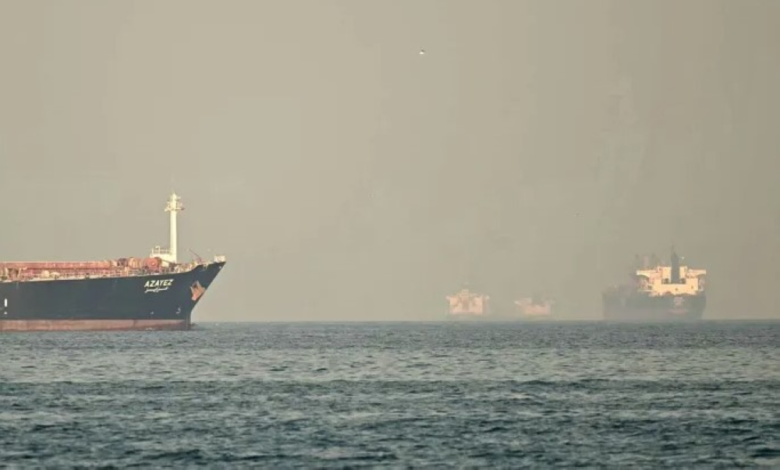
تشهد الساحة الدولية تطورات جيوسياسية متسارعة، حيث تتجه الأنظار نحو منطقة الشرق الأوسط وتحديداً الممرات المائية الحيوية. وفي أحدث التطورات، كشف التلفزيون الإيراني الرسمي عن بدء محادثات مكثفة بين دول أوروبية وطهران، تهدف إلى تأمين مرور سفنها التجارية والعسكرية عبر مضيق هرمز الاستراتيجي. تأتي هذه الخطوة الدبلوماسية في ظل مساعٍ دولية حثيثة لضمان استقرار حركة التجارة العالمية وتجنب أي تصعيد عسكري قد يؤثر على إمدادات الطاقة.
السياق التاريخي والأهمية الاستراتيجية لمضيق هرمز
يُعد مضيق هرمز أحد أهم نقاط الاختناق البحرية في العالم، حيث يربط بين الخليج العربي وخليج عُمان وبحر العرب. تاريخياً، كان هذا المضيق مسرحاً للعديد من التوترات الإقليمية والدولية، نظراً لكونه الممر الرئيسي لنحو خُمس إنتاج النفط العالمي، بالإضافة إلى كميات ضخمة من الغاز الطبيعي المسال. إن أي تهديد لأمن الملاحة في هذا المضيق ينعكس فوراً على أسواق الطاقة العالمية، مما يفسر الاهتمام البالغ من قبل القوى الكبرى، بما فيها الدول الأوروبية والآسيوية، بضمان بقائه مفتوحاً وآمناً للجميع.
نجاحات دبلوماسية سابقة وتحركات أوروبية
وأشار التقرير الإيراني إلى أن التحرك الأوروبي لم يأتِ من فراغ، بل جاء بعد نجاح دول من شرق آسيا، وعلى رأسها الصين واليابان وباكستان، في تأمين عبور سفنها بسلام. وبناءً على هذه المعطيات، بدأت أطراف أوروبية – لم يتم الكشف عن هويتها صراحة – في إجراء مفاوضات مباشرة مع القوة البحرية التابعة للحرس الثوري الإيراني للحصول على أذونات مرور آمنة، مما يعكس تحولاً براغماتياً في التعامل مع أمن الملاحة الإقليمية.
الانتشار العسكري: حاملة الطائرات شارل ديغول
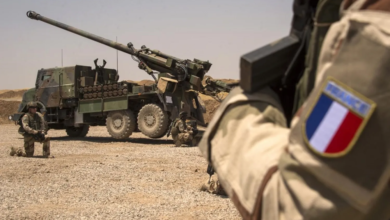
على الصعيد العسكري والميداني، أعلنت وزيرة الجيوش الفرنسية، أليس روفو، عن وصول حاملة الطائرات الفرنسية النووية “شارل ديغول”، برفقة مجموعة من السفن الحربية المرافقة، إلى موقع تمركزها الجديد في بحر العرب. يهدف هذا الانتشار الاستراتيجي إلى الاستعداد لإطلاق مهمة بحرية “محايدة”، تسعى بالأساس إلى مراقبة وإعادة حركة الملاحة الطبيعية في مضيق هرمز والمياه المحيطة به، مما يبعث برسالة طمأنة لشركات الشحن البحري العالمية.
تحالف دولي لحماية الملاحة التجارية
وفي سياق متصل بالجهود الأوروبية المشتركة، كانت بريطانيا وفرنسا قد أعلنتا في الشهر الماضي عن بلورة خطة عسكرية شاملة تهدف إلى تأمين مضيق هرمز. تسعى هذه الخطة إلى استئناف حركة الملاحة التجارية بشكل طبيعي وآمن. وتشير التقارير الاستخباراتية والدبلوماسية إلى وجود موافقة مبدئية من نحو 40 دولة للمشاركة في هذه المهمة البحرية متعددة الجنسيات، والتي ستقودها باريس ولندن. تهدف هذه القوة المشتركة إلى توفير مظلة حماية للسفن التجارية في هذا الممر المائي الحيوي، بانتظار التوصل إلى توافقات أوسع بين إيران والولايات المتحدة الأمريكية لرفع أي قيود أو حصار مفروض، مما سينعكس إيجاباً على الاقتصاد العالمي والاستقرار الإقليمي.