
مقدمة عن صادرات النفط العراقي عبر مضيق هرمز
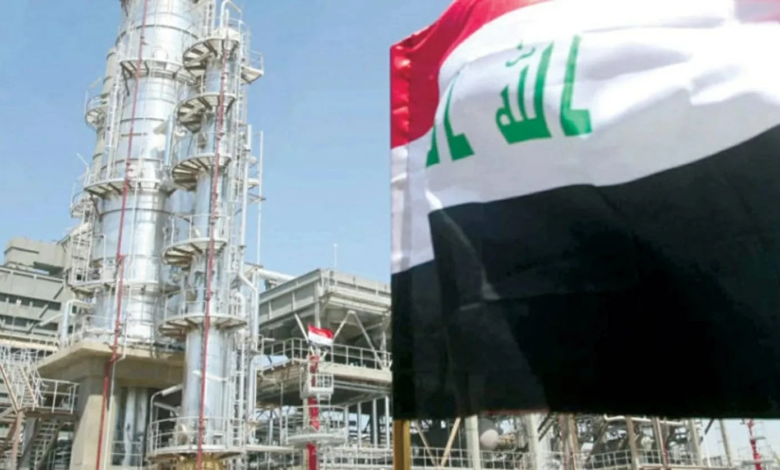
في إعلان يعكس التحركات الاستراتيجية لقطاع الطاقة في البلاد، كشف وزير النفط العراقي باسم محمد، خلال مؤتمر صحفي عُقد يوم السبت، عن إحصائيات حيوية تتعلق بحجم صادرات النفط العراقي. وأكد الوزير أن العراق نجح في تصدير 10 ملايين برميل من النفط الخام خلال شهر أبريل الماضي عبر مضيق هرمز الاستراتيجي. ويأتي هذا الرقم ليسلط الضوء على التحديات والتقلبات التي واجهت قطاع التصدير على مر العقود، حيث يمثل هذا الحجم انخفاضاً حاداً مقارنة بالمستويات التاريخية التي كانت تقارب 93 مليون برميل شهرياً قبل اندلاع حرب إيران، والتي أثرت بشكل جذري على حركة الملاحة والتصدير في المنطقة.
الأهمية الاستراتيجية لمضيق هرمز والخلفية التاريخية
يُعد مضيق هرمز أحد أهم الممرات المائية الاستراتيجية في العالم، حيث يمر من خلاله جزء كبير من إمدادات النفط العالمية. تاريخياً، أدت النزاعات الإقليمية، لا سيما الحرب العراقية الإيرانية في ثمانينيات القرن الماضي، إلى تقليص صادرات النفط بشكل كبير. وقد أثبتت التجارب السابقة أن أي تهديد أو إغلاق لمضيق هرمز بسبب الحروب والتوترات الجيوسياسية يتسبب في أزمات طاقة عالمية، مما يؤدي إلى ارتفاع حاد ومفاجئ في أسعار النفط العالمية، وهو ما يدفع الدول المنتجة للبحث عن بدائل آمنة ومستدامة لضمان تدفق إمداداتها.
استئناف ضخ النفط عبر خط أنابيب كركوك-جيهان
لتجاوز التحديات المرتبطة بالممرات البحرية، اتجه العراق نحو تعزيز مسارات التصدير البرية. وفي هذا السياق، استأنف العراق صادراته من النفط الخام عبر خط أنابيب كركوك-جيهان في شهر مارس الماضي. جاء هذا التطور الإيجابي تتويجاً لاتفاق سياسي واقتصادي هام بين الحكومة الاتحادية في بغداد وحكومة إقليم كردستان، مما أنهى فترة من التوقف وأعاد تدفق النفط العراقي نحو الأسواق الأوروبية عبر الأراضي التركية. وأوضح الوزير باسم محمد أن العراق يُصدر حالياً نحو 200 ألف برميل يومياً عبر ميناء جيهان التركي، مع وجود خطط استراتيجية طموحة لزيادة هذه الكمية لتصل إلى 500 ألف برميل يومياً في المستقبل القريب.
التعاون مع أوبك ومستهدفات الإنتاج المستقبلية
على الصعيد الدولي، يواصل العراق، الذي يُعد ثاني أكبر منتج للنفط في منظمة البلدان المصدرة للبترول (أوبك)، التزامه بتعزيز استقرار أسواق الطاقة العالمية. وأضاف الوزير أن العراق يعتزم تعميق التعاون مع منظمة أوبك وحلفائها لتعزيز إنتاج البلاد وقدرتها التصديرية بما يتماشى مع حصص الإنتاج المقررة. وأشار إلى أن بغداد تستهدف الوصول إلى طاقة إنتاجية قصوى تبلغ 5 ملايين برميل يومياً، وهو هدف استراتيجي يتطلب استثمارات ضخمة في البنية التحتية وتطوير الحقول النفطية.
التأثير الاقتصادي المتوقع محلياً وإقليمياً ودولياً
تحمل هذه التطورات في قطاع صادرات النفط العراقي أبعاداً وتأثيرات واسعة النطاق. على المستوى المحلي، ستؤدي زيادة القدرة التصديرية وتنويع مساراتها إلى تعزيز الإيرادات المالية للحكومة العراقية، مما يدعم الموازنة العامة ويساهم في تمويل مشاريع إعادة الإعمار وتطوير البنية التحتية. إقليمياً، يعزز استئناف التصدير عبر ميناء جيهان من التعاون الاقتصادي بين العراق وتركيا، ويخلق بيئة من الاستقرار المالي بين بغداد وأربيل. أما على الصعيد الدولي، فإن التزام العراق بزيادة طاقته الإنتاجية إلى 5 ملايين برميل يومياً يبعث برسالة طمأنة للأسواق العالمية، مؤكداً قدرة العراق على تلبية الطلب المتزايد على الطاقة والمساهمة في استقرار الأسعار العالمية.