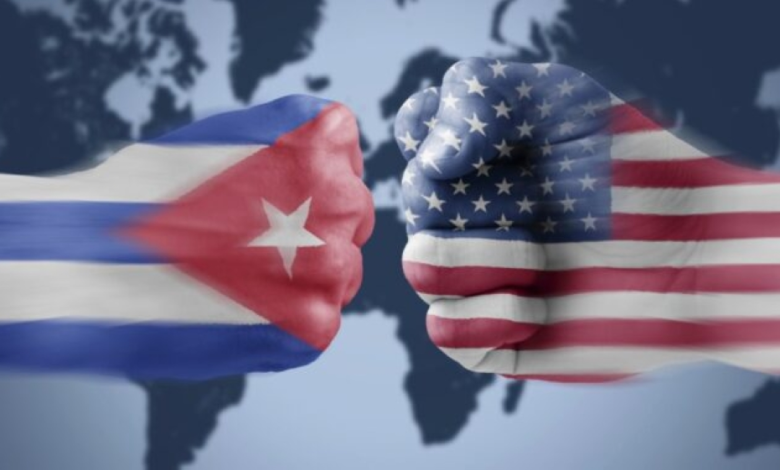

في تطور سياسي بارز يعكس تصعيداً في السياسة الخارجية الأمريكية تجاه أمريكا اللاتينية، دعا وزير الخارجية الأمريكي ماركو روبيو إلى ضرورة إحداث تغيير جذري في القيادة السياسية في كوبا. وقد جاءت هذه التصريحات كشرط أساسي وحاسم لمنح هافانا حزمة من المساعدات المالية التي تقدر قيمتها بنحو 100 مليون دولار أمريكي. يأتي هذا العرض المشروط في وقت حرج للغاية، حيث تعاني العاصمة الكوبية هافانا وعموم البلاد من أزمة طاقة حادة وغير مسبوقة، والتي تلقي الحكومة الكوبية باللائمة فيها على الإدارة الأمريكية والعقوبات المفروضة عليها.
أزمة الطاقة والانهيار الاقتصادي في هافانا
وفي تفاصيل المشهد الداخلي، تعيش كوبا على وقع اضطرابات اقتصادية شديدة التعقيد، زادت من حدتها مؤخراً أزمة انقطاع التيار الكهربائي ونقص الوقود. وقد سجلت الإحصائيات أن حوالي 65% من الأراضي الكوبية شهدت انقطاعات متزامنة للتيار الكهربائي يوم الثلاثاء الماضي، مما أدى إلى شلل شبه تام في المرافق الحيوية والحياة اليومية للمواطنين، وتأثيرات سلبية عميقة على قطاعات الإنتاج والخدمات الأساسية.
موقف واشنطن وتصريحات ماركو روبيو
في الوقت الذي يوجه فيه قادة النظام الكوبي أصابع الاتهام نحو العقوبات الأمريكية المستمرة، يتبنى ماركو روبيو، وهو سياسي أمريكي بارز ينحدر من أصول كوبية، موقفاً صارماً. حيث يعتبر روبيو أن النظام الكوبي الحالي، الذي طالما وجه له انتقادات لاذعة، هو المسؤول الأول والأخير عن التدهور المروع الذي آلت إليه الأمور في البلاد بسبب سياساته المركزية.
وقد صرح روبيو خلال حديث صحفي أدلى به على متن طائرة الرئاسة الأمريكية أثناء مرافقته للرئيس دونالد ترامب في رحلة إلى الصين، قائلاً: “إننا أمام اقتصاد معطل وغير فاعل على الإطلاق، ومن المستحيل إصلاحه في ظل المعطيات الحالية، كنت أتمنى بصدق لو كان الأمر مختلفاً”. وأضاف بلهجة حازمة: “سنمنحهم فرصة”، لكنه استبعد في الوقت ذاته أي إمكانية حقيقية لتغيير مسار كوبا نحو الأفضل طالما بقي “هؤلاء الأشخاص” في سدة الحكم وقيادة ذلك النظام.
السياق التاريخي للعلاقات الأمريكية الكوبية
لفهم جذور هذا الصراع، يجب العودة إلى السياق التاريخي للعلاقات بين واشنطن وهافانا. منذ نجاح الثورة الكوبية في عام 1959، فرضت الولايات المتحدة حصاراً اقتصادياً وتجارياً ومالياً شاملاً على الجزيرة. ورغم المحاولات المحدودة لتخفيف التوتر في فترات سابقة، إلا أن العقوبات ظلت أداة ضغط رئيسية تستخدمها الإدارات الأمريكية المتعاقبة لإجبار الحكومة الكوبية على إجراء إصلاحات ديمقراطية واحترام حقوق الإنسان.
التداعيات الإقليمية والدولية المتوقعة
على الصعيد المحلي، تنذر الأزمة الاقتصادية الخانقة وانقطاع الكهرباء المستمر بتأجيج الغضب الشعبي، مما قد يعيد إلى الأذهان الاحتجاجات الواسعة التي شهدتها كوبا في يوليو 2021. أما إقليمياً، فإن استمرار تدهور الأوضاع المعيشية في الجزيرة الكاريبية يدفع بآلاف الكوبيين إلى الهجرة، مما يشكل ضغطاً هائلاً على دول الجوار، وخاصة أزمة الحدود الجنوبية للولايات المتحدة. دولياً، تعكس هذه الخطوة الأمريكية استراتيجية واضحة لربط المساعدات الإنسانية بالتحولات السياسية، وهو ما قد يثير حفيظة حلفاء كوبا الدوليين ويزيد من تعقيد المشهد الجيوسياسي.