
تفاصيل استهداف الحرس الثوري الإيراني لمجموعات مسلحة
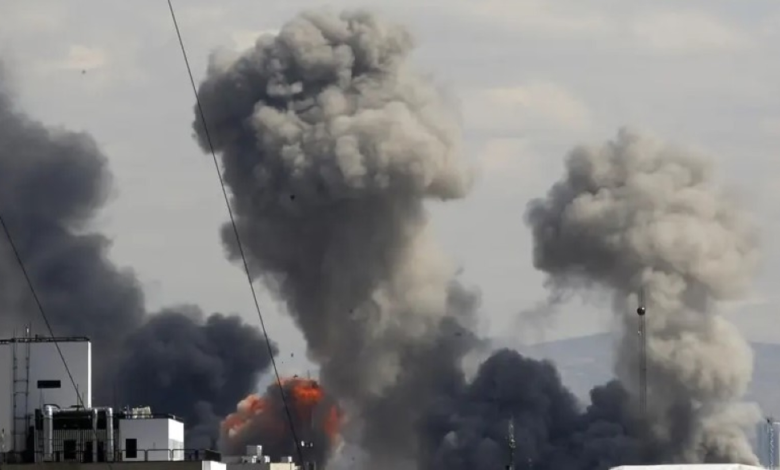
أعلن الحرس الثوري الإيراني، في تطور أمني لافت اليوم الاثنين، عن تنفيذ عمليات عسكرية استهدفت مجموعات مسلحة يصفها بأنها مرتبطة بالولايات المتحدة الأمريكية والاحتلال الإسرائيلي. وقعت هذه العمليات في محافظة كردستان الواقعة غرب إيران، وتحديداً بالقرب من الشريط الحدودي مع العراق. ووفقاً للبيان الرسمي الذي نقلته وكالة أنباء الطلبة الإيرانية (إيسنا)، فإن هذه المجموعات تسللت من شمال العراق وكانت تخطط لتهريب شحنات كبيرة من الأسلحة والذخائر الأمريكية إلى الداخل الإيراني. وقد تركزت الضربات في مدينة بانه الإيرانية التابعة لمحافظة كردستان، مما يعكس حالة الاستنفار الأمني القصوى في تلك المناطق الحدودية الحساسة.
السياق العام والخلفية التاريخية للتوترات الحدودية
تاريخياً، تشهد الحدود الإيرانية العراقية، وتحديداً المناطق المحاذية لإقليم كردستان العراق، توترات مستمرة. طالما اتهمت طهران جماعات المعارضة الكردية الإيرانية المسلحة التي تتخذ من جبال شمال العراق مقرات لها، بمحاولة زعزعة استقرار الأمن الداخلي الإيراني. وفي السنوات الأخيرة، صعدت إيران من عملياتها العسكرية، حيث شن الحرس الثوري الإيراني هجمات متكررة بالصواريخ الباليستية والطائرات المسيرة على مواقع في شمال العراق، متهماً إياها بإيواء عناصر تابعة لأجهزة استخبارات أجنبية وجماعات انفصالية. هذا السياق المعقد يعكس صراعاً جيوسياسياً أوسع، حيث تعتبر طهران تأمين حدودها الغربية أولوية قصوى لمنع أي اختراقات أمنية أو عمليات تهريب للأسلحة قد تستخدم في تأجيج الاحتجاجات الداخلية أو تنفيذ عمليات تخريبية.
أهمية الحدث وتأثيره المتوقع محلياً وإقليمياً ودولياً
على الصعيد المحلي، من المتوقع أن تؤدي هذه التطورات إلى تشديد الإجراءات الأمنية في المحافظات الغربية لإيران، مما قد يؤثر على الحركة التجارية وحياة المدنيين في تلك المناطق. أما إقليمياً، فإن هذه الضربات تضع المزيد من الضغوط على العلاقات بين طهران وبغداد، وتحديداً حكومة إقليم كردستان في أربيل. ورغم وجود اتفاقية أمنية سابقة بين العراق وإيران تقضي بنزع سلاح الجماعات المعارضة وإبعادها عن الحدود، إلا أن تكرار الحوادث يشير إلى التحديات الكبيرة في تنفيذها. دولياً، يُنظر إلى هذا التصعيد كجزء من “حرب الظل” المستمرة بين إيران من جهة، والولايات المتحدة وإسرائيل من جهة أخرى، مما يزيد من تعقيد المشهد في الشرق الأوسط وينذر باحتمالية توسع رقعة الصراع إذا ما استمرت الاستفزازات المتبادلة.
تهديدات ترامب وتصاعد حدة الخطاب الأمريكي
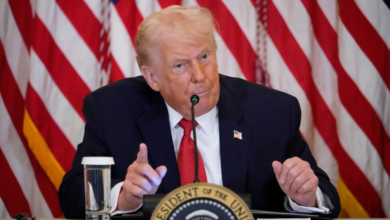
في سياق متصل بالتوترات الإيرانية الأمريكية، عاود الرئيس الأمريكي السابق دونالد ترامب إطلاق تهديدات شديدة اللهجة ضد طهران. وفي منشور له على منصته الاجتماعية “تروث سوشيال”، حذر ترامب القيادة الإيرانية من أن “الوقت ينفد”، مشدداً على ضرورة تحركهم بسرعة للتوصل إلى اتفاق مع الولايات المتحدة، وإلا فإنه “لن يتبقى منهم شيء”. تأتي هذه التصريحات في ظل تعثر المباحثات الدبلوماسية والجهود الدولية الرامية لإنهاء حالة عدم الاستقرار والحروب في الشرق الأوسط. يُذكر أن ترامب كان قد تبنى سياسة “الضغوط القصوى” خلال فترة رئاسته، والتي تضمنت الانسحاب الأحادي من الاتفاق النووي الإيراني في عام 2018 وفرض عقوبات اقتصادية قاسية، مما يجعل تصريحاته الحالية تذكيراً بنهجه المتشدد تجاه طهران وتأثير ذلك على مسار العلاقات المستقبلية بين البلدين.