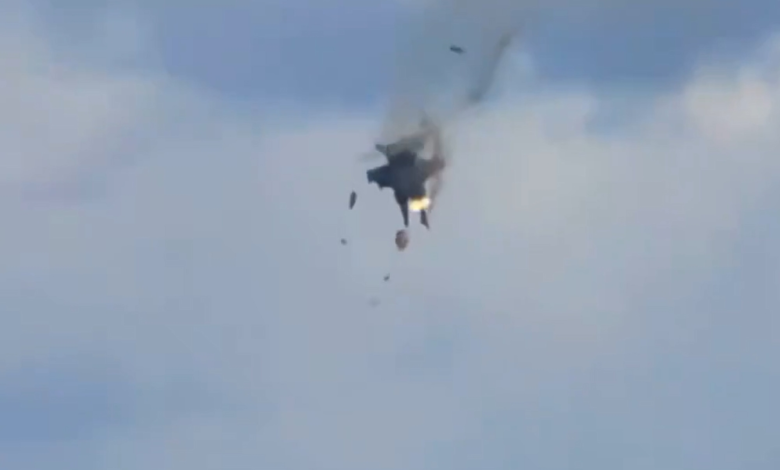

لحظات تحبس الأنفاس: اصطدام مقاتلتين في سماء أيداهو
تحولت أجواء الاحتفالات والاستعراضات الجوية في قاعدة “ماونتن هوم” (Mountain Home) العسكرية بولاية أيداهو الأمريكية إلى مشهد يحبس الأنفاس، وذلك إثر حادث اصطدام مروع بين مقاتلتين أمريكيتين من طراز “إي إيه-18 جي” (EA-18G Growler) في الجو. وقع الحادث أمام أنظار المئات من الحاضرين الذين وثقوا بكاميرات هواتفهم المحمولة لحظة تقارب الطائرتين بشكل خطير واصطدامهما خلال تنفيذ مناورات معقدة ضمن فعاليات عرض “جان فايترز سكايز” (Gunfighter Skies).
نجاة الطواقم الجوية وأنظمة السلامة
في خضم هذا الحادث المروع، أظهرت مقاطع الفيديو المتداولة على منصات التواصل الاجتماعي سرعة بديهة الطيارين وكفاءة أنظمة السلامة في الطائرات العسكرية الحديثة. فبعد ثوانٍ معدودة من الاصطدام وتصاعد الدخان الكثيف في السماء، تمكن أفراد الطاقم من تفعيل أنظمة القفز بالمظلات بنجاح، ليهبطوا بسلام في محيط القاعدة العسكرية دون تسجيل إصابات خطيرة، وهو ما أكدته التقارير العسكرية الأولية الصادرة عن السلطات الأمريكية.
الأهمية الاستراتيجية لطائرات “إي إيه-18 جي”
تعتبر طائرة “إي إيه-18 جي” التي تشغلها البحرية الأمريكية، نسخة معدلة وعالية التطور من المقاتلة الشهيرة “إف/إيه-18 إف سوبر هورنت”. تكمن الأهمية الاستراتيجية لهذه الطائرة في تخصصها الدقيق في مهام الحرب الإلكترونية؛ حيث صُممت خصيصاً للتشويش على رادارات العدو، وتعطيل أنظمة الدفاع الجوي، وقطع الاتصالات اللاسلكية. ونظراً لطبيعة مهامها، تتطلب قيادة هذا النوع من الطائرات تنسيقاً عالياً وتدريباً مكثفاً، خاصة عند التحليق في تشكيلات متقاربة وعلى ارتفاعات منخفضة كما يحدث في العروض الجوية.
التحقيقات العسكرية والإجراءات التقنية
على الرغم من عدم إصدار القوات البحرية أو الجوية الأمريكية بياناً تفصيلياً فورياً يوضح الأسباب الجذرية للحادث، إلا أن البروتوكولات العسكرية الصارمة تفرض فتح تحقيق تقني شامل وموسع. تتضمن هذه التحقيقات عادةً تحليل بيانات الصناديق السوداء (مسجلات بيانات الرحلة)، ومراجعة تسجيلات الاتصالات اللاسلكية بين الطيارين وأبراج المراقبة، بالإضافة إلى فحص حطام الطائرتين بدقة متناهية لتحديد ما إذا كان الخلل ناتجاً عن خطأ بشري في تقدير المسافات، أو عطل ميكانيكي مفاجئ، أو تأثيرات جوية غير متوقعة.
تاريخ العروض الجوية: توازن دقيق بين استعراض القوة والمخاطر
يعيد هذا الحادث تسليط الضوء على الجدل المستمر حول معايير السلامة في العروض الجوية العسكرية. تاريخياً، شهدت الولايات المتحدة والعديد من دول العالم حوادث مشابهة خلال التدريبات أو الاستعراضات، مما يطرح تساؤلات حول المخاطر العالية التي تواجهها الطواقم الجوية. فالعروض الجوية لا تهدف فقط إلى الترفيه، بل هي أداة هامة لاستعراض القدرات القتالية، وتعزيز الروح المعنوية، وجذب المجندين الجدد. ومع ذلك، فإن فقدان طائرات تكلف الخزانة العامة عشرات الملايين من الدولارات، ناهيك عن الخطر على حياة الطيارين والجمهور، يدفع القيادات العسكرية باستمرار إلى مراجعة وتحديث إجراءات التنسيق وقواعد الاشتباك والمناورة لضمان أعلى مستويات الأمان الممكنة.