Rodgers praises Al-Qadisiyah's victory over Al-Khaleej and challenges the pressure of matches

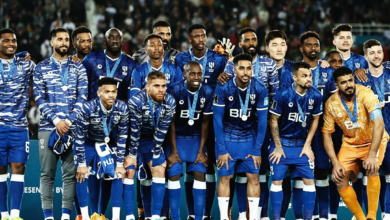
The head coach of the first football team of Al-Qadisiyah Club, Irishman Brendan Rodgers, expressed his great happiness with the valuable victory that his team achieved over its counterpart Al-Khaleej by one goal to nil, in the match that brought them together within the league competitions, stressing that the team is moving steadily towards achieving its seasonal goals.
The Undefeated Series and the Challenge of Exhaustion
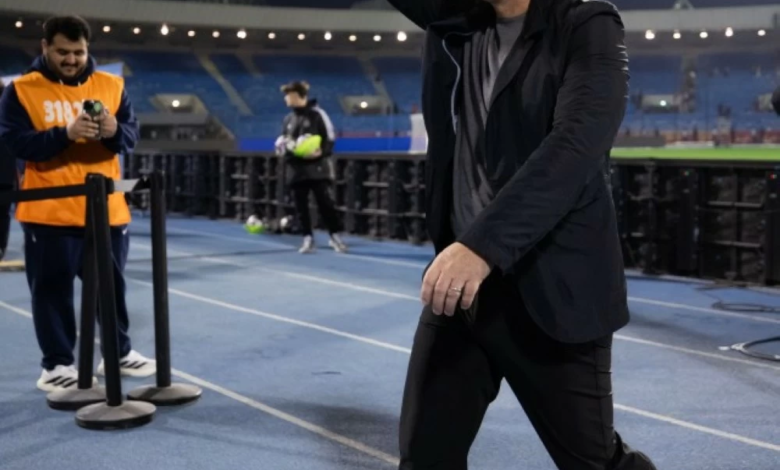
In the post-match press conference, Rodgers highlighted the tactical performance and the team's winning streak, saying, "I'm very happy with this victory, our eighth win since taking over as manager of Al-Qadsia, without a single loss." The Irish coach also praised his opponents, noting that "Al-Khaleej were a very strong team; they have a high scoring rate and played a great and impressive match against us, which made this victory even more valuable.".
This match is particularly important given the intense competition in the Saudi League, where clubs are striving to accumulate as many points as possible to secure top positions and qualify for continental competitions. Keeping a clean sheet against an attacking team like Al-Khaleej would be a testament to the defensive improvement Al-Qadisiyah has shown under its current coaching staff.
Response to declining physical fitness
In response to a question from the Okaz newspaper about whether the team's performance had declined technically or physically against Al-Khaleej, Rodgers categorically denied this, explaining: "Our level hasn't dropped as much as some might think. We're playing under the pressure of a continuous schedule of matches, yet we're maintaining a steady and well-planned pace." He added, outlining his strategy for the upcoming stage: "Now the points difference between us and the leading teams is very close, and our ambition is to accumulate as many points as possible to strengthen our position in the standings.".
Dealing with the pressure of matches and rotating players is one of the most important challenges facing coaches in major leagues, as it requires a delicate balance between maintaining physical fitness and achieving positive results, which Al-Qadisiyah seems to be succeeding in so far.
Donis: Proud of the players despite the loss
For his part, Al-Khaleej's coach, Greek Giorgos Donis, appeared composed despite the bitterness of defeat, stating during the press conference: "I am very proud of my players despite the loss; they delivered a great and courageous performance." Donis attributed the result to a lack of luck, adding: "The team lacked some luck in the final touch and in scoring against a skilled and well-organized team like Al-Qadisiyah.".
Donis concluded his remarks by referring to the circumstances surrounding his team before the match: “Despite the significant absences in our ranks, we managed to reach Al-Qadisiyah’s goal on numerous occasions and create clear-cut chances, but we were unable to convert them into goals.” These statements underscore the intense competition witnessed in the match and reflect the remarkable development in the level of clubs in the Eastern Province and their ability to deliver highly tactically astute performances.