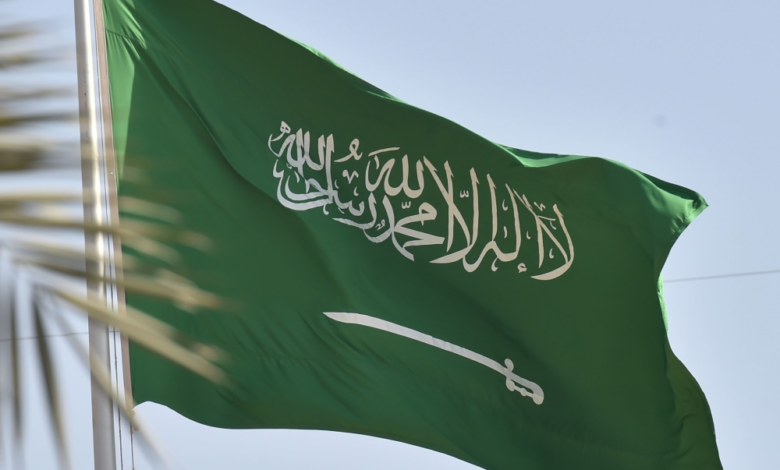
Saudi Arabia calls for de-escalation between Iran and Pakistan to preserve regional security

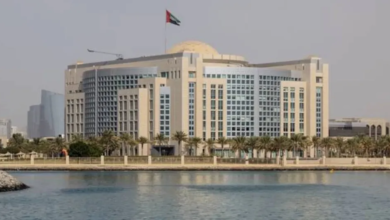
The Kingdom of Saudi Arabia expressed its deep concern regarding the escalating military situation in the region, calling on all parties to exercise maximum restraint and avoid any actions that could further exacerbate the situation and destabilize the region. In a statement issued by the Ministry of Foreign Affairs, the Kingdom stressed the importance of de-escalation and support for all diplomatic efforts aimed at finding political solutions that guarantee the security and safety of the region and its people.
Background of the tensions and their regional context
This Saudi stance comes amid a tense regional context, recently marked by an unprecedented military exchange between Iran and Pakistan. Each country launched airstrikes inside the other's territory, targeting what they described as "terrorist strongholds." While both countries face shared security challenges along their long border, this direct escalation represents a dangerous shift in their relationship, raising widespread international concerns about a wider conflict in a region already grappling with multiple crises, from the war in Gaza to tensions in the Red Sea.
The importance of the Saudi position and its expected impact
The Kingdom's call for de-escalation carries particular weight given its political and economic influence in the Arab and Islamic worlds. Having recently succeeded in restoring diplomatic relations with Iran through Chinese mediation, the Kingdom is striving to maintain the relative stability achieved and avoid any setbacks that could plunge the region back into tension. The slide of two major Islamic countries like Iran and Pakistan into open military confrontation would not only threaten their immediate security but would also have disastrous repercussions for regional security as a whole, potentially impacting global trade routes and energy markets.
The Saudi statement also emphasized the need to guarantee freedom of international maritime navigation in the Strait of Hormuz, the vital artery through which a large portion of the world's oil passes. This emphasis demonstrates the Kingdom's profound understanding that any conflict in the region could have repercussions on strategic waterways, threatening the global economy. The Kingdom supported diplomatic efforts, including Pakistani mediation, as an effective means of de-escalating the crisis and returning to the negotiating table, stressing that political solutions are the only way to spare the region the ravages of wars and conflicts that serve no one's interests.