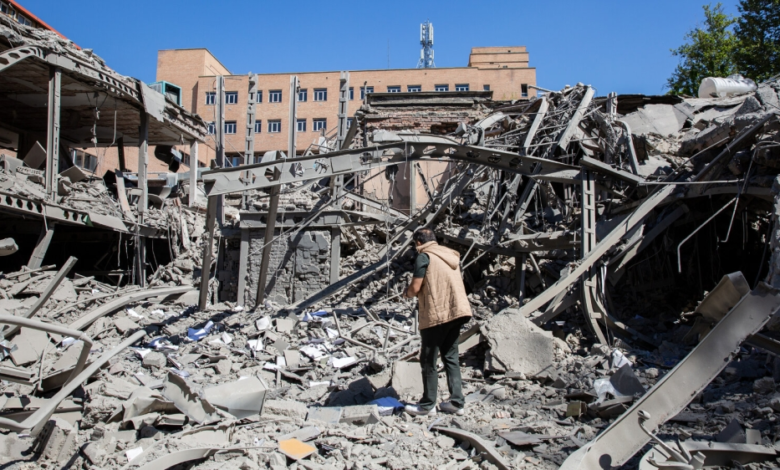
Military options against Iran are on the table, but a ground invasion is ruled out

US statements regarding military options against Iran
A US official confirmed to Reuters that military options remain on the table regarding dealing with Iran, but downplayed the likelihood of a ground invasion, stating that it now appears “less likely than it did weeks ago.” These remarks come amid ongoing tensions between Washington and Tehran, primarily centered on Iran’s nuclear program and its regional activities.
A historical context of tension and negotiations
The roots of the current tensions stretch back decades, but they escalated significantly after the United States withdrew from the nuclear agreement (the Joint Comprehensive Plan of Action – JCPOA) in 2018. This agreement, signed in 2015, aimed to curb Iran's nuclear program in exchange for sanctions relief. Following the withdrawal, Washington reimposed crippling economic sanctions as part of its "maximum pressure" campaign, and Tehran responded by accelerating its nuclear activities and enriching uranium to levels exceeding those permitted under the agreement. Since then, diplomatic efforts to revive the agreement have been stalled, with disagreements persisting over the terms of Iran's return and the guarantees required from both sides.
The importance of the event and its expected impact
These statements carry significant weight both regionally and internationally. Regionally, the Gulf states and Israel are watching developments with great concern, as they consider the Iranian nuclear program a direct threat to their security. Any potential military action could ignite a wider conflict in the already unstable Middle East. Internationally, the tension in the Gulf region directly impacts global energy markets, especially given Iran's repeated threats to close the Strait of Hormuz, through which a large portion of the world's oil passes. Therefore, global powers such as China, Russia, and European countries are closely monitoring the situation, attempting to push for a diplomatic solution that would avert catastrophic consequences for the region and the world.
Parallel paths: Sanctions and diplomacy
In addition to brandishing the military option, the US administration continues to employ other tools. The State Department indicated that the new sanctions imposed on Iran aim to prevent billions of dollars from reaching the Iranian Revolutionary Guard and its proxies in the region. Meanwhile, the White House confirmed that negotiations with Tehran are ongoing, but stressed that the US president will not rush into a “bad deal,” and that any agreement must prioritize US national security. Washington is currently reviewing new Iranian proposals, conveyed through Pakistani intermediaries, concerning maritime security in the Strait of Hormuz, demonstrating that channels of dialogue have not been completely severed despite the escalation.