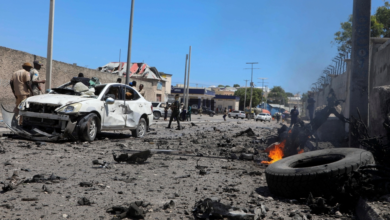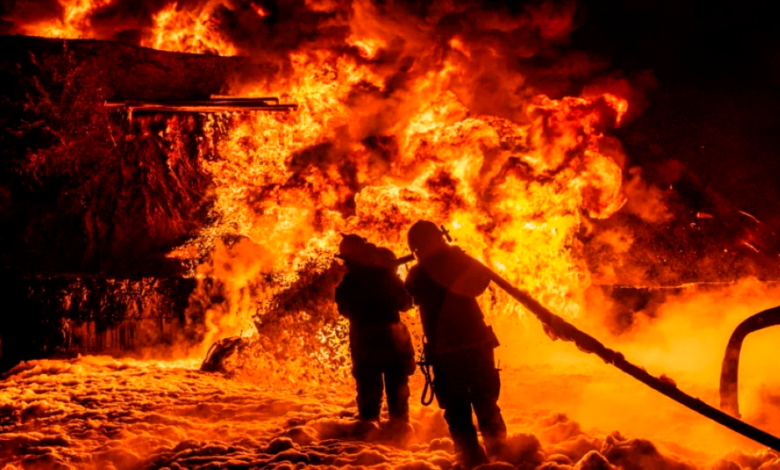

March witnessed an unprecedented military escalation in the ongoing conflict in Eastern Europe, with Russian forces launching intensive attacks on Ukrainian territory using a record number of drones. This escalation reflects a strategic shift in military tactics since the start of the war, posing continuous and escalating challenges to Ukrainian air defenses.
General context and historical background of the Russian-Ukrainian war
Since the start of the Russian invasion of Ukraine on February 24, 2022, the war has gone through several tactical phases. Initially, Russia relied heavily on ground forces and ballistic and cruise missiles. As time passed and its missile stockpiles were depleted, coupled with continued Western military support for Kyiv, Moscow began to increasingly rely on suicide drones, particularly those produced at a lower cost than conventional missiles. The use of drones became a key tool for striking critical energy infrastructure and civilian and military facilities in Ukraine, with the aim of exhausting Ukraine's air defense capabilities and crippling the domestic economy.
Details of the record attack and the decline in missile launches
According to official data collected and documented daily by the Ukrainian Air Force, March saw a record number of drones launched by Russian forces since the start of the war, totaling 6,462. March 24th stood out as one of the most intense days in the history of this aerial conflict, witnessing the launch of nearly a thousand drones in just 24 hours – an unprecedented level of intensity.
In contrast, statistics showed a significant decline in the use of conventional missiles. During the same period, Russia launched only 138 missiles at Ukraine, a decrease of approximately 52% compared to the previous month. This discrepancy underscores Russia's increasing reliance on drone warfare. Despite this offensive intensity, the Ukrainian Air Force announced significant defensive successes, managing to shoot down or intercept approximately 90% of the total attacking missiles and drones – the highest interception rate recorded by Ukrainian defenses since the start of the war in 2002.
The importance of the event and its expected impact locally, regionally, and internationally
Domestically, this intensified Russian tactic is maintaining a state of maximum alert within Ukraine, straining military resources and depleting expensive air defense munitions, as well as having a continuous psychological impact on civilians and disrupting daily life.
On a regional level, this escalation is causing concern among Ukraine’s neighboring countries, especially NATO countries in Eastern Europe, who fear that the conflict could spill over or that drones could accidentally enter their airspace, thus requiring the strengthening of military presence and air defenses on the common borders.
Internationally, this event highlights the growing importance of drone warfare in modern conflicts, prompting militaries worldwide to reassess their defense strategies. This escalation also places additional pressure on Ukraine's Western allies, particularly the United States and the European Union, to expedite the delivery of military aid packages, especially advanced air defense systems, to ensure Kyiv's ability to withstand these systematic attacks and protect its infrastructure.