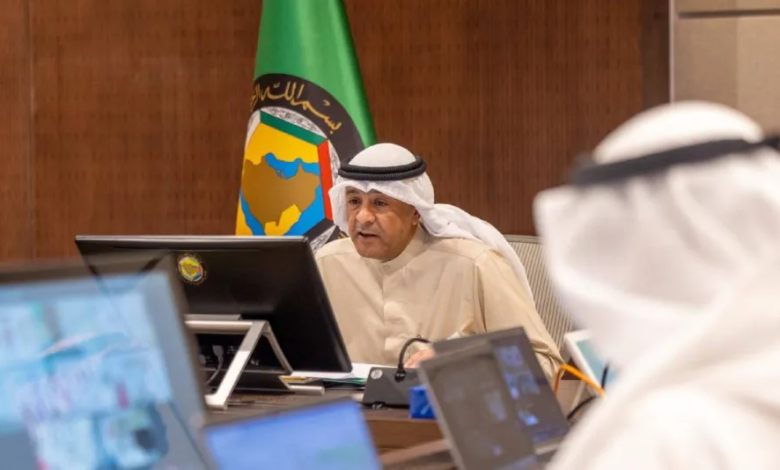

أكد معالي الأستاذ جاسم محمد البديوي، الأمين العام لمجلس التعاون لدول الخليج العربية، أن التحديات المتسارعة التي تشهدها المنطقة تمثل اختباراً حقيقياً لقدرات دول المجلس على حماية مكتسباتها التاريخية والاقتصادية. وتأتي هذه التصريحات في ظل ظروف جيوسياسية معقدة تمر بها منطقة الشرق الأوسط، مما يتطلب تكاتفاً غير مسبوق لضمان استقرار وازدهار شعوب المنطقة.
السياق العام والتحديات الجيوسياسية الراهنة
تعيش منطقة الشرق الأوسط مرحلة دقيقة تتسم بتصاعد التوترات السياسية والأمنية، بدءاً من النزاعات الإقليمية المستمرة، وصولاً إلى التهديدات التي تمس أمن الملاحة البحرية في البحر الأحمر والخليج العربي. وفي هذا السياق، يبرز دور مجلس التعاون الخليجي كصمام أمان إقليمي. إن تصريحات البديوي تسلط الضوء على ضرورة اليقظة والعمل المشترك لمواجهة هذه التحديات التي لا تقتصر على الجوانب الأمنية فحسب، بل تمتد لتشمل التحديات الاقتصادية والاجتماعية التي تفرضها المتغيرات العالمية السريعة وتقلبات أسواق الطاقة.
الخلفية التاريخية لمجلس التعاون الخليجي
تأسس مجلس التعاون لدول الخليج العربية في عام 1981 استجابةً لظروف إقليمية بالغة التعقيد، بهدف تحقيق التنسيق والتكامل والترابط بين الدول الأعضاء في جميع الميادين. منذ تأسيسه، نجح المجلس في بناء منظومة متماسكة قادرة على الصمود أمام العديد من الأزمات، بدءاً من الحروب الإقليمية في الثمانينيات والتسعينيات، وصولاً إلى الأزمات الاقتصادية العالمية. هذا الإرث التاريخي من التعاون هو ما يشير إليه البديوي عندما يتحدث عن ‘المكتسبات’، والتي تشمل البنية التحتية المتطورة، والنمو الاقتصادي المستدام، والاستقرار السياسي الذي تنعم به دول الخليج مقارنة بمحيطها الإقليمي.
أهمية حماية المكتسبات الاقتصادية والتنموية
تشهد دول مجلس التعاون الخليجي حالياً نهضة تنموية غير مسبوقة، تقودها رؤى استراتيجية طموحة مثل ‘رؤية السعودية 2030’ وغيرها من الخطط الوطنية في الإمارات، وقطر، والكويت، والبحرين، وعُمان. تهدف هذه الرؤى إلى تنويع مصادر الدخل وتقليل الاعتماد على النفط، وبناء اقتصادات قائمة على المعرفة والابتكار. إن التحديات الإقليمية الراهنة تضع هذه الخطط التنموية أمام اختبار حقيقي، مما يحتم على دول المجلس تعزيز تكاملها الاقتصادي، وتأمين سلاسل الإمداد، وجذب الاستثمارات الأجنبية من خلال الحفاظ على بيئة آمنة ومستقرة.
التأثير المتوقع على المستويين الإقليمي والدولي
لا يقتصر تأثير استقرار دول الخليج على المستوى المحلي أو الإقليمي فحسب، بل يمتد ليشمل الاقتصاد العالمي بأسره. تعتبر دول مجلس التعاون لاعباً رئيسياً في أسواق الطاقة العالمية، وأي تهديد لمكتسباتها أو استقرارها ينعكس مباشرة على أمن الطاقة العالمي وحركة التجارة الدولية. لذلك، فإن نجاح دول المجلس في هذا الاختبار الحقيقي الذي أشار إليه البديوي، سيعزز من مكانتها كقوة اعتدال واستقرار في العالم، وسيدعم جهودها في التوسط لحل النزاعات الإقليمية والدولية.
في الختام، تبقى رسالة الأمين العام لمجلس التعاون واضحة: الوحدة والتكامل هما السبيل الوحيد لتجاوز العقبات. إن حماية المكتسبات تتطلب رؤية استراتيجية مشتركة، وعملاً دؤوباً يعزز من قدرة دول الخليج على التكيف مع المتغيرات، وتحويل التحديات إلى فرص واعدة تضمن مستقبلاً مشرقاً للأجيال القادمة.