
تفاصيل درجات الحرارة في المشاعر المقدسة
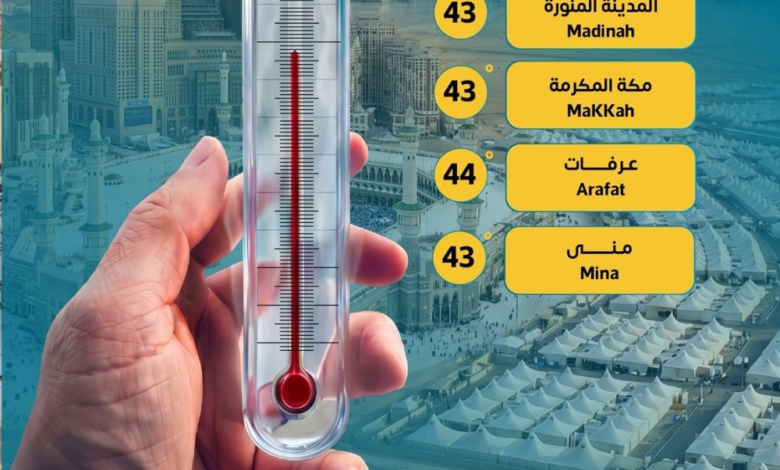
أعلن المركز الوطني للأرصاد في المملكة العربية السعودية عن تفاصيل حالة الطقس ودرجات الحرارة في المشاعر المقدسة خلال موسم الحج الحالي. وقد سجل مشعر عرفات أعلى درجة حرارة بلغت 44 درجة مئوية، مما يجعله الأشد حرارة بين المشاعر. وفي مكة المكرمة ومشعر منى ومزدلفة، تتراوح درجات الحرارة بين 40 إلى 43 درجة مئوية، مع سماء غائمة جزئياً ونسبة رطوبة متفاوتة. هذه الظروف المناخية تتطلب استعدادات استثنائية لضمان سلامة ضيوف الرحمن أثناء تأدية مناسكهم.
السياق العام والخلفية التاريخية لطقس الحج
تأتي هذه الارتفاعات الملحوظة في درجات الحرارة نتيجة لتزامن موسم الحج مع فصل الصيف في نصف الكرة الشمالي. تاريخياً، يعتمد توقيت فريضة الحج على التقويم الهجري القمري، مما يعني أن موسم الحج يطوف على جميع فصول السنة كل 33 عاماً تقريباً. في السنوات الأخيرة، عاد موسم الحج ليتزامن مع أشهر الصيف شديدة الحرارة في شبه الجزيرة العربية. وقد واجه الحجاج على مر العصور تحديات مناخية قاسية، إلا أن التطور الحديث في البنية التحتية والخدمات الصحية جعل من الممكن إدارة هذه التحديات بكفاءة عالية جداً مقارنة بالماضي.
أهمية الحدث وتأثيره المتوقع
يحمل ارتفاع درجات الحرارة في المشاعر المقدسة أهمية كبرى وتأثيرات متعددة الأبعاد على المستويات المحلية والإقليمية والدولية:
- التأثير المحلي: تستنفر الجهات الحكومية السعودية، وعلى رأسها وزارة الصحة والدفاع المدني، كافة طاقاتها للتعامل مع الإجهاد الحراري وضربات الشمس. تم نشر آلاف المراوح الرذاذية في ساحات المسجد الحرام ومشعري منى وعرفات، بالإضافة إلى تجهيز مراكز صحية متخصصة ومستشفيات ميدانية للتعامل الفوري مع أي حالات طارئة.
- التأثير الإقليمي والدولي: يضم موسم الحج ملايين المسلمين القادمين من مختلف أنحاء العالم، والذين قد لا يكونون معتادين على درجات الحرارة المرتفعة التي تتجاوز حاجز الـ 40 درجة مئوية. هذا يتطلب تنسيقاً دولياً مستمراً بين بعثات الحج الطبية للدول المختلفة ووزارة الصحة السعودية لضمان توعية الحجاج قبل وصولهم وتقديم الرعاية اللازمة لهم.
إرشادات صحية هامة لضيوف الرحمن
في ظل تسجيل مشعر عرفات 44 درجة مئوية، تشدد الجهات الصحية على ضرورة التزام الحجاج بمجموعة من الإرشادات الوقائية الصارمة. من أهم هذه الإرشادات تجنب التعرض المباشر لأشعة الشمس خلال أوقات الذروة (من الساعة 11 صباحاً حتى 4 عصراً)، واستخدام المظلات الشمسية ذات الألوان الفاتحة. كما يُنصح بشرب كميات كبيرة من المياه والسوائل لتعويض ما يفقده الجسم من أملاح بسبب التعرق المستمر، وأخذ فترات راحة كافية داخل الخيام المكيفة لتجنب الإجهاد الحراري.
ختاماً، تظل جهود المملكة العربية السعودية في تلطيف الأجواء وتقديم الرعاية الصحية للحجاج نموذجاً عالمياً يحتذى به في إدارة الحشود في ظل الظروف المناخية الصعبة، مما يضمن أداء ضيوف الرحمن لمناسكهم بكل يسر وسهولة وطمأنينة رغم كافة التحديات الحرارية.