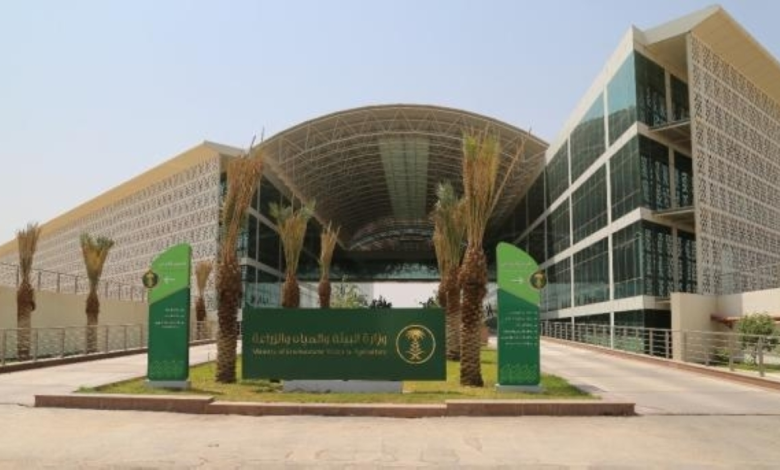
Makkah Agriculture: 5 Safar 1448 is the deadline for issuing groundwater well licenses

The Makkah branch of the Ministry of Environment, Water and Agriculture emphasized the importance of owners of unlicensed or expired groundwater wells promptly rectifying their legal status by obtaining the necessary licenses to use groundwater resources. The Ministry has set the 5th of Safar 1448 AH as the final deadline for taking advantage of the grace period granted, allowing beneficiaries ample time to regularize their situations and avoid violations.
Engineer Waleed Al-Daghis, Director General of the Ministry’s branch in the Makkah region, explained that the decision to extend the deadline comes within the framework of the Ministry’s keenness to facilitate matters for citizens and farmers, and to enable them to complete their regulatory procedures with ease through the “Nama” electronic platform, which is the unified digital portal for the services of the environment, water and agriculture system, which reflects the government’s direction towards digital transformation and facilitating access to services.
The context of water security and Vision 2030
These measures are of paramount strategic importance given the water challenges facing the Kingdom and the Gulf region in general. These steps are being taken to implement the new water system and its executive regulations, which aim to preserve and sustain water resources, rationalize their consumption, and ensure their availability to future generations in high quality. Protecting the strategic groundwater reserves is a key pillar of the Kingdom's Vision 2030, which places water and food security at the forefront of its national priorities.
Regulating the process of drilling wells and extracting water is not just an administrative procedure, but an urgent environmental necessity to reduce the excessive depletion of water-bearing layers, prevent their pollution, and ensure the fair distribution of water shares among the various development sectors.
Exempt categories and requirements
In its decision, the ministry called on all those covered to adhere to the technical and environmental regulations and requirements. However, the decision clarified that there are specific exceptions to this deadline, namely local agricultural companies and large-scale licensed wheat farmers, as these categories are subject to a previously announced schedule and specific requirements due to their high water consumption.
The branch also noted that the deadline does not apply to activities that fall under the supervision of the Saudi Water Authority or the General Authority for Food and Drug, such as bottled water factories and water distribution points (potable and non-potable), as these facilities are subject to strict regulatory standards to ensure the safety of the final product for the consumer.