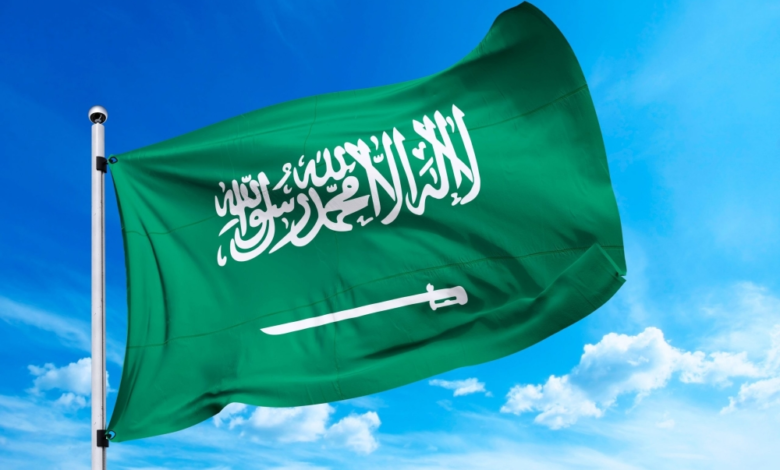

Saudi Arabia welcomes international efforts to de-escalate tensions
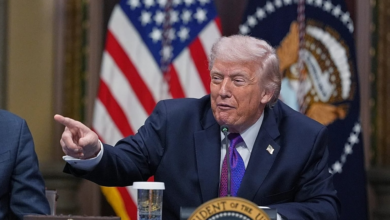
The Ministry of Foreign Affairs of the Kingdom of Saudi Arabia expressed its profound welcome for the official announcement issued by His Excellency President Donald Trump of the United States of America and His Excellency Prime Minister Mohammad Shahbaz Sharif of Pakistan, revealing a ceasefire agreement between the United States of America and the Islamic Republic of Iran. This significant diplomatic step comes at a sensitive time for the Middle East region, as countries in the region and the international community seek to de-escalate tensions and avoid sliding into wider conflicts that could affect global peace and security.
Pakistan's pivotal role in mediation
In this context, the Kingdom commended the fruitful diplomatic efforts led by the Islamic Republic of Pakistan to bridge the gap between the concerned parties. The Saudi Ministry of Foreign Affairs noted the active role played by the Pakistani Prime Minister, along with Field Marshal Asim Munir, Chief of the Defence Forces and Chief of Army Staff, in overcoming obstacles and reaching this historic agreement. In its official statement, the Kingdom affirmed its full support for the Pakistani mediation efforts, indicating that these endeavors aim to reach a lasting and comprehensive agreement that achieves security and stability and addresses all the root causes that have destabilized the region for decades.
The importance of the Strait of Hormuz and freedom of maritime navigation
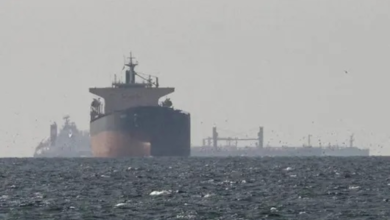
On the other hand, Saudi Arabia emphasized a crucial point concerning the global economy and energy security: the necessity of keeping the Strait of Hormuz open to international maritime traffic. It affirmed that this strategic waterway must remain secure in accordance with the provisions of the 1982 United Nations Convention on the Law of the Sea, without imposing any restrictions that impede the flow of global trade. It is worth noting that the Strait of Hormuz is one of the world's most important waterways, through which a significant portion of the world's oil supply passes, and any tension there directly impacts energy markets and the global economy as a whole.
The regional context and the Kingdom's aspirations for stability
Historically, the Arabian Gulf region and the Middle East have suffered from the repercussions of ongoing tensions between Washington and Tehran, which have negatively impacted development and economic growth. Therefore, Riyadh views this development very positively, with the Ministry of Foreign Affairs adding that the Kingdom hopes the ceasefire will present a genuine opportunity to achieve a comprehensive and lasting truce. This vision aligns with the Kingdom's foreign policy, which aims to resolve regional conflicts and focus on domestic development and economic cooperation.
The Ministry concluded its statement by emphasizing the need for this agreement to strengthen regional security and to halt any aggression or policies that could undermine the sovereignty, security, and stability of the region's countries. Achieving lasting peace requires international and regional commitment to respecting international laws and conventions, a principle the Kingdom consistently advocates in all diplomatic forums to ensure a prosperous future for the peoples of the region.