
announced The Saudi Water Authority the end of the mandatory grace period granted to water filling stations, known locally as "Al-Ashyab," to rectify their operations. This decisive step follows the expiration of the corrective period that began last October, which provided owners and operators of these stations with ample opportunity to complete all licensing procedures and fully comply with the regulatory and technical requirements approved by the relevant authorities.
General context and historical background of water sector regulation
These stringent measures fall within the framework of a comprehensive national strategy adopted by the Kingdom of Saudi Arabia to achieve water security—the National Water Strategy, which aligns directly with the objectives of Saudi Vision 2030.Historically, the water distribution sector, operating through traditional water distribution points (known locally as "ashab"), has faced regulatory challenges that have impacted consumption efficiency and service quality. This has led to the urgent need to restructure this vital sector, transitioning it from a haphazard system to a structured, institutionalized approach that ensures the sustainability of groundwater and desalinated water resources and safeguards public health.
Launch of field inspection tours
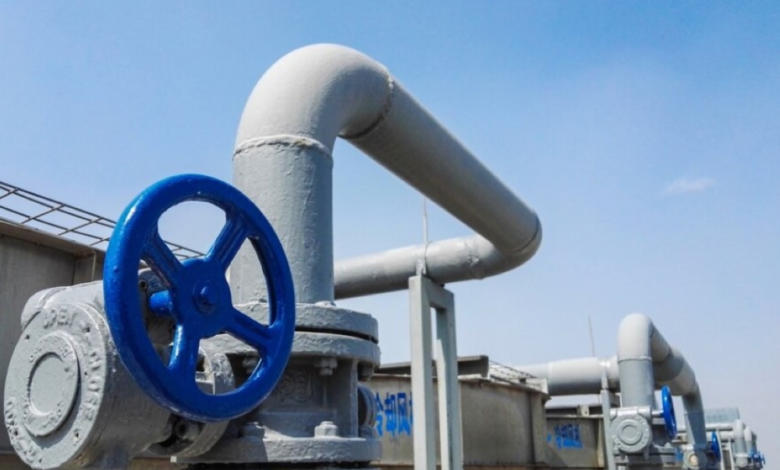
With the deadline having passed, the Saudi Water Authority confirmed the commencement of intensive field inspection campaigns targeting water filling stations (Al-Ashyab) across all regions and governorates of the Kingdom. These inspections aim to verify the facilities' compliance with obtaining the necessary regulatory licenses and meeting all technical and operational requirements. The Authority explained that moving to this phase of oversight reflects its readiness to rigorously enforce regulations and curb any unlicensed practices that could harm consumers or the environment.
The importance of the event and its expected impact
This regulatory measure is of paramount importance and has multi-dimensional implications:
At the local level, this regulation contributes to improving the quality of water provided to citizens and residents, and enhancing public health by ensuring that all stations adhere to inspection and sterilization standards. It also improves operational efficiency and creates a fair and sustainable investment environment for operators who comply with the regulations.
At the regional and international levels, this approach reinforces the Kingdom's position as a leading model in the Middle East for integrated water resources management. This decision also aligns with the United Nations Sustainable Development Goals (SDGs), specifically Goal 6, which focuses on ensuring the availability and sustainable management of water and sanitation for all. The application of stringent standards to water bottling plants reflects the Kingdom's commitment to global environmental and health standards.
Penalties and unlicensed practices
The authority emphasized in its statement that inspection tours will not tolerate violations and will result in the application of strict legal measures against non-compliant establishments. It affirmed that failure to adhere to regulatory requirements or to complete licensing procedures will subject station owners to deterrent legal penalties. This rigorous approach aims to fully regulate the sector, protect the rights of consumers, and ensure the provision of reliable and safe services that meet the aspirations of the leadership and the community.