
مقدمة: الاستعداد لموسم الحج وتوجيهات القيادة الدينية
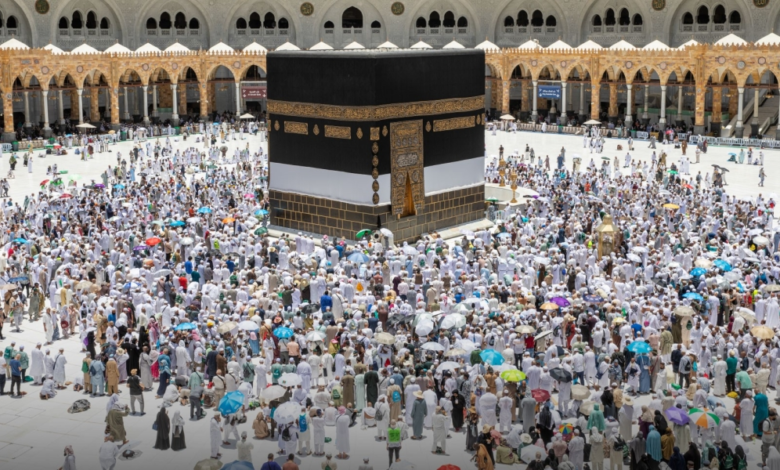
في إطار الاستعدادات المكثفة لموسم الحج، قدّم رئيس الشؤون الدينية بالمسجد الحرام والمسجد النبوي، الشيخ عبدالرحمن بن عبدالعزيز السديس، حزمة من الوصايا التوجيهية والدينية لعموم المسلمين وقاصدي الحرمين الشريفين وضيوف الرحمن. وتأتي هذه التوجيهات لتؤكد على المبدأ الإسلامي الراسخ المتمثل في تعظيم البيت الحرام، والذي يتجلى ليس فقط في أداء العبادات، بل في المحافظة على أمنه واحترام أنظمته وتعليماته، بما يسهم في أداء النسك بيسر وأمان وطمأنينة.
السياق التاريخي: رعاية المملكة المستمرة لضيوف الرحمن
تاريخياً، ومنذ توحيد المملكة العربية السعودية، أخذت القيادة الرشيدة على عاتقها شرف خدمة الحرمين الشريفين كأولوية قصوى. وقد شهدت مكة المكرمة والمدينة المنورة أكبر توسعات في التاريخ الإسلامي، ترافقت مع تطوير هائل في البنية التحتية والخدمات اللوجستية. وفي هذا السياق، يبرز دور رئاسة الشؤون الدينية في إثراء التجربة الروحية للحجاج، وضمان تأدية المناسك وفق الهدي النبوي الصحيح، بعيداً عن أي تجاوزات قد تعكر صفو هذه الشعيرة العظيمة التي تهفو إليها أفئدة المسلمين من كل فج عميق.
فضل عشر ذي الحجة واغتنام الأوقات المباركة
وأكد الشيخ السديس أن الله -سبحانه وتعالى- خصّ عشر ذي الحجة بفضل عظيم ومكانة رفيعة، مستشهداً بقوله تعالى: (وَلَيَالٍ عَشْرٍ)، مبيناً أن جمهور المفسرين ذهبوا إلى أنها عشر ذي الحجة. كما استشهد بحديث النبي صلى الله عليه وسلم: “مَا مِنْ أَيَّامٍ الْعَمَلُ الصَّالِحُ فِيهَا أَحَبُّ إِلَى اللهِ مِنْ هَذِهِ الْأَيَّامِ”. وحث المسلمين على اغتنام هذه الأيام المباركة بالحرص على أداء الفرائض، واجتناب المعاصي، والإكثار من الأعمال الصالحة والطاعات، مشيراً إلى فضل صيام يوم عرفة لغير الحاج، والإكثار من التهليل والتكبير والتحميد خلال هذه الأيام المباركة.
تعظيم شعائر الله: مسؤولية دينية وأمنية
وذكر السديس أن اجتماع شرف الزمان مع شرف المكان في بيت الله الحرام يستوجب تعظيم شعائر الله والمحافظة على حرمة المسجد الحرام وأمنه ونظامه، مستشهداً بقوله تعالى: (ذَلِكَ وَمَن يُعَظِّمْ شَعَائِرَ اللَّهِ فَإِنَّهَا مِن تَقْوَى الْقُلُوبِ). وشدد على أهمية التحلي بالسكينة والرحمة وحسن الخلق، وعدم إيذاء المسلمين أو التضييق عليهم، والالتزام بالتوجيهات والتعليمات المنظمة للحج. وأشار إلى أن من تعظيم البيت الحرام المحافظة على أمنه واحترام أنظمته، وعدم الإضرار بضيوف الرحمن، مؤكداً أن البلد الحرام له حرمته ومكانته العظيمة التي يجب أن تُصان، وأن يتحلى الحاج بالأخلاق الإسلامية والرفق والتعاون.
الأثر المحلي والدولي لنجاح التنظيم
إن الالتزام بهذه التوجيهات له تأثير بالغ الأهمية على كافة الأصعدة. محلياً، يسهم وعي الحجاج في إنجاح خطط إدارة الحشود وتسهيل عمل الجهات الأمنية والصحية. وإقليمياً ودولياً، يعكس نجاح موسم الحج صورة مشرقة عن التنظيم الإسلامي وقدرة المملكة الفائقة على إدارة أكبر تجمع بشري في العالم بسلام وطمأنينة، مما يبعث رسالة أمن وسلام لملايين المسلمين المتابعين لشعائر الحج حول العالم.
تكامل الجهود لخدمة الحجاج
ونوّه السديس بما سخرته القيادة الرشيدة -أيدها الله- من إمكانات وخدمات متكاملة لخدمة ضيوف الرحمن، عبر مختلف الجهات الأمنية والخدمية والصحية والتنظيمية، مشيداً بجهود رجال الأمن والعاملين في موسم الحج. ودعا الحجاج إلى التعاون معهم والالتزام بخطط إدارة الحشود، وعدم الصلاة في الممرات والطرقات. وفي إطار هذه الجهود الشاملة لضمان راحة الحجاج، تبرز أهمية الرصد الجوي والمناخي المستمر:
الأرصاد تواصل أعمالها التشغيلية على مدار الساعة لخدمة الجهات العاملة في الحج، عبر منظومة متقدمة للرصد والإنذار المبكر وتحليل البيانات المناخية#اليومhttps://t.co/C49pXJ5fd9 pic.twitter.com/J1i7iZ02t4— صحيفة اليوم (@alyaum) May 16, 2026
مقاصد الحج والدعاء الخالص
وأوضح الشيخ السديس أن الحج يقوم على تحقيق التوحيد وإخلاص العبادة لله واتباع سنة النبي محمد صلى الله عليه وسلم، مستشهداً بقوله تعالى: (وَإِذْ بَوَّأْنَا لِإِبْرَاهِيمَ مَكَانَ الْبَيْتِ أَن لَّا تُشْرِكْ بِي شَيْئًا)، داعياً الحجاج إلى أداء المناسك وفق الهدي النبوي، وتحقيق مقاصد الحج، والابتعاد عن الرفث والفسوق والجدال. وفي ختام كلمته، رفع رئيس الشؤون الدينية الشكر للقيادة الرشيدة على ما يلقاه الحرمان الشريفان وحجاج بيت الله الحرام من عناية ورعاية واهتمام، سائلاً الله تعالى أن يتقبل من الحجاج صالح أعمالهم، وأن يجعل حجهم مبروراً وسعيهم مشكوراً وذنبهم مغفوراً.