
تفاصيل الهجوم الدامي على كلية القوات الخاصة
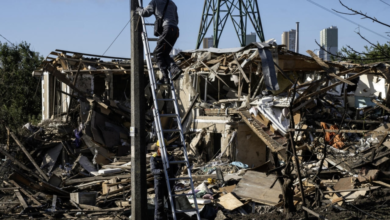
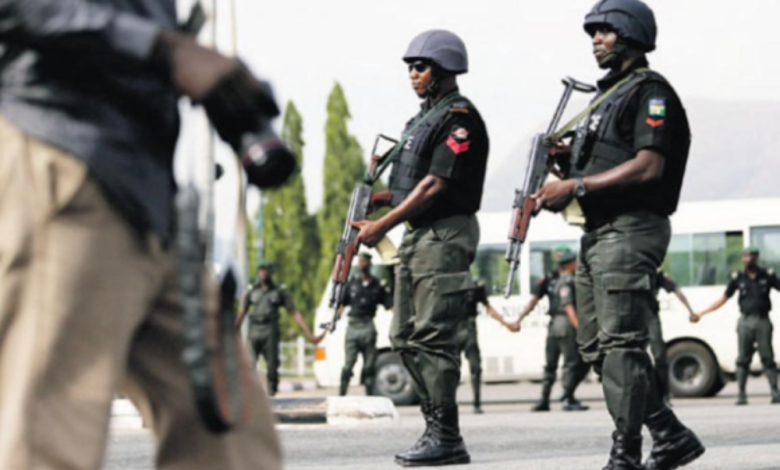
في تصعيد أمني خطير، أعلنت السلطات الأمنية في نيجيريا عن مقتل 17 من عناصر الشرطة النيجيرية إثر هجوم إرهابي مسلح استهدف مركزاً خاصاً لتدريب القوات الخاصة في شمال شرق البلاد. ووفقاً للبيانات الرسمية الصادرة عن قوى الأمن، وقع الهجوم المنسق في الثامن من مايو، حيث شنت مجموعات مسلحة هجوماً مباغتاً من محاور متعددة في تمام الساعة 1:15 صباحاً، مما أسفر عن خسائر فادحة في صفوف العناصر الأمنية التي كانت تخضع لتدريبات عملياتية مكثفة لحماية الوطن.
الرد العسكري وتضارب الأنباء حول الخسائر
في أعقاب الهجوم، صرح الجيش النيجيري بأنه تمكن من تحييد ما لا يقل عن 50 عنصراً متطرفاً خلال اشتباكات عنيفة اندلعت في اليوم التالي في منطقة بوني غاري ونقاط تفتيش مجاورة بولاية يوبي شمال شرق البلاد. وأكد الجيش أن هذه المواجهات أسفرت أيضاً عن مقتل جنديين أثناء التصدي لهجوم منسق شنه تنظيم داعش – ولاية غرب إفريقيا.
على الجانب الآخر، كشفت مصادر استخباراتية لوكالة فرانس برس عن وجود تباين في الأرقام المعلنة، مشيرة إلى أن التقرير العسكري ربما يكون قد قلل من حجم الخسائر في صفوف القوات النظامية وضخم من خسائر المهاجمين. وأكدت المصادر أنه تم نقل العديد من الضحايا والمصابين عبر ست سيارات إسعاف إلى مدينة مايدوغوري، عاصمة ولاية بورنو المجاورة، مما يدل على أن الحصيلة النهائية والدقيقة للخسائر البشرية لا تزال قيد التقييم.
السياق التاريخي: عقد ونصف من الصراع الدامي
لفهم طبيعة هذا الهجوم، يجب النظر إلى السياق التاريخي المعقد في شمال شرق نيجيريا. منذ عام 2009، تخوض الحكومة النيجيرية حرباً استنزافية قاسية ضد الجماعات المتطرفة، وعلى رأسها جماعة “بوكو حرام”. وفي عام 2016، شهدت الحركة انشقاقاً كبيراً أدى إلى ظهور “تنظيم الدولة الإسلامية – ولاية غرب إفريقيا” (ISWAP)، والذي أصبح الفصيل الأكثر هيمنة وتنظيماً في المنطقة.
هذا الصراع الطويل، الذي يتركز بشكل رئيسي في حوض بحيرة تشاد وولايات بورنو ويوبي وأداماوا، أسفر وفقاً لتقارير وإحصائيات الأمم المتحدة عن مقتل أكثر من 40 ألف شخص وتشريد أكثر من مليوني مدني، مما أحدث أزمة إنسانية تعد من بين الأسوأ على مستوى العالم. وتستغل هذه الجماعات التضاريس الصعبة لشن هجمات مباغتة ضد الأهداف العسكرية والمدنية.
التداعيات المتوقعة للهجوم محلياً وإقليمياً ودولياً
يحمل هذا الهجوم الإرهابي دلالات وتداعيات بالغة الأهمية على عدة مستويات:
- على الصعيد المحلي: يمثل استهداف كلية لتدريب القوات الخاصة ضربة أمنية، حيث يظهر قدرة الجماعات المسلحة على اختراق التحصينات واستهداف النخب العسكرية التي يتم إعدادها خصيصاً لمكافحة الإرهاب. هذا يفرض ضغوطاً إضافية على الحكومة النيجيرية لإعادة تقييم استراتيجياتها الدفاعية.
- على الصعيد الإقليمي: يثير هذا التصعيد قلق الدول المجاورة (تشاد، الكاميرون، والنيجر) التي تشارك في القوة الوطنية المشتركة المتعددة الجنسيات (MNJTF). أي تدهور أمني في شمال شرق نيجيريا يهدد بانتقال شرارة العنف عبر الحدود.
- على الصعيد الدولي: يسلط الحادث الضوء على استمرار التهديد الذي تشكله الأذرع التابعة لتنظيم داعش في القارة الإفريقية، وهو ما يدعو المجتمع الدولي إلى ضرورة تعزيز الدعم اللوجستي والاستخباراتي لدول غرب إفريقيا لمنع تمدد التنظيمات الإرهابية.