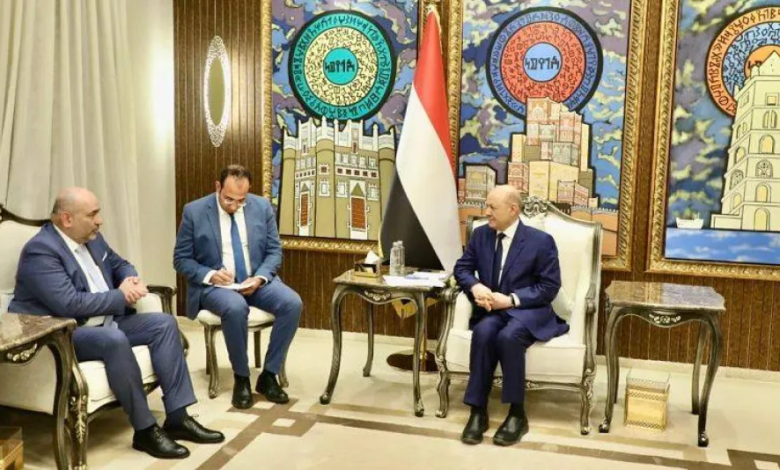

أكد فخامة الدكتور رشاد محمد العليمي، رئيس مجلس القيادة الرئاسي في اليمن، على موقف الحكومة الشرعية الثابت بأن الطريق نحو السلام المستدام في البلاد لا يمر عبر استرضاء جماعة الحوثي، بل من خلال بناء قوة ردع حقيقية تجبرهم على الجنوح للسلام والقبول بالحلول السياسية الشاملة. جاءت هذه التصريحات في سياق الجهود الإقليمية والدولية المستمرة لإنهاء الصراع الذي دخل عامه العاشر، مؤكدة على رؤية المجلس لمتطلبات المرحلة المقبلة.
خلفية الصراع وتعقيداته
لفهم عمق هذه التصريحات، لا بد من العودة إلى جذور الأزمة اليمنية. فمنذ سيطرة جماعة الحوثي المدعومة من إيران على العاصمة صنعاء في سبتمبر 2014، انقلبت الأوضاع السياسية رأساً على عقب. أدى هذا التطور إلى تدخل عسكري بقيادة المملكة العربية السعودية في مارس 2015 لدعم الحكومة المعترف بها دولياً، مما أدخل البلاد في دوامة من الحرب الأهلية والنزاعات بالوكالة، وأسفر عن واحدة من أسوأ الأزمات الإنسانية في العالم. وعلى مر السنوات، تعثرت العديد من مبادرات السلام ومفاوضات وقف إطلاق النار بسبب انعدام الثقة العميق بين الأطراف وتضارب الأجندات الإقليمية.
أهمية الردع في المنظور الحكومي
يرى مجلس القيادة الرئاسي، الذي تم تشكيله في أبريل 2022 لتوحيد الصفوف المناهضة للحوثيين، أن أي تساهل أو تقديم تنازلات أحادية الجانب قد تم تفسيره من قبل الحوثيين على أنه ضعف، مما يدفعهم إلى المزيد من التصعيد العسكري والتعنت السياسي. وعليه، فإن استراتيجية الردع التي يشدد عليها العليمي لا تقتصر على الجانب العسكري فحسب، بل تشمل أيضاً الضغط الاقتصادي والدبلوماسي، وتفعيل العقوبات الدولية، وعزل الجماعة سياسياً لكشف ممارساتها أمام المجتمع الدولي. الهدف من هذه الاستراتيجية هو تغيير حسابات القوة على الأرض، وخلق بيئة تفاوضية متوازنة تضمن عدم فرض طرف لشروطه بالقوة.
التأثيرات المحتملة على مسار السلام
يحمل هذا الموقف تأثيراً مباشراً على جهود الوساطة التي تقودها الأمم المتحدة وسلطنة عمان. فبينما يسعى الوسطاء إلى بناء جسور الثقة وخفض التصعيد، تضع تصريحات العليمي شرطاً أساسياً للمضي قدماً، وهو ضرورة وجود ضمانات دولية وضغط حقيقي على الحوثيين للالتزام بتعهداتهم. على الصعيد الإقليمي، يتوافق هذا الطرح مع رؤية العديد من دول التحالف التي تؤمن بأن الحل السلمي لن يكون ممكناً إلا عندما تدرك جماعة الحوثي أن الخيار العسكري لم يعد مجدياً. أما دولياً، فتأتي هذه الرؤية في وقت يتزايد فيه القلق من هجمات الحوثيين على الملاحة الدولية في البحر الأحمر، مما قد يدفع القوى الكبرى إلى تبني موقف أكثر صرامة تجاه الجماعة، وهو ما قد يخدم استراتيجية الردع التي تنادي بها الحكومة اليمنية.