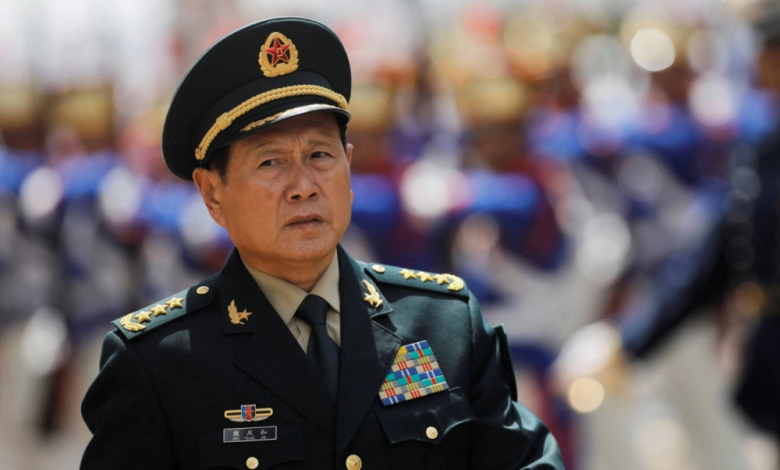

في خطوة قضائية وصفت بأنها الأقوى من نوعها، أصدرت محكمة عسكرية صينية حكماً بالإعدام مع وقف التنفيذ لمدة عامين بحق وزيري دفاع سابقين، وي فنغ خه ولي شانغ فو، بتهم تتعلق بالفساد والرشوة. يمثل هذا الحكم نقطة تحول فارقة في حملة مكافحة الفساد التي يقودها الرئيس الصيني شي جين بينغ منذ توليه السلطة، ويؤكد على عدم وجود أي شخص فوق القانون، حتى في أعلى المناصب العسكرية.
خلفية حملة مكافحة الفساد
أطلق الرئيس شي جين بينغ حملته الواسعة لمكافحة الفساد في عام 2012، مستهدفاً ما أسماه بـ “النمور والذباب”، في إشارة إلى كبار المسؤولين وصغارهم على حد سواء. لم تكن هذه الحملة مجرد إجراء روتيني، بل كانت جزءاً أساسياً من استراتيجيته لتعزيز سلطة الحزب الشيوعي، وتطهير صفوفه من الممارسات غير القانونية التي تهدد شرعيته واستقراره. وقد ركزت الحملة بشكل خاص على جيش التحرير الشعبي، الذي كان يعاني من مشاكل فساد متجذرة، خاصة في مجالات المشتريات العسكرية والترقيات، وهو ما اعتبره شي جين بينغ تهديداً مباشراً لجهود تحديث الجيش وجاهزيته القتالية.
تفاصيل الحكم وتداعياته
أدين الوزيران السابقان، اللذان شغلا منصب وزير الدفاع بين عامي 2018 و2023، بتلقي وتقديم رشاوى ضخمة. ووفقاً لوكالة أنباء الصين الجديدة (شينخوا)، فإن حكم الإعدام سيتم تخفيفه إلى السجن المؤبد بعد انقضاء فترة وقف التنفيذ البالغة عامين، شريطة عدم ارتكابهما جرائم إضافية خلال هذه المدة. كما تم تجريدهما من حقوقهما السياسية مدى الحياة ومصادرة جميع ممتلكاتهما الشخصية. ويُعد هذا الحكم رسالة ردع قوية موجهة إلى جميع المسؤولين في الدولة والجيش، مفادها أن لا أحد محصن ضد الملاحقة القضائية، بغض النظر عن رتبته أو منصبه.
الأهمية والتأثير المتوقع
على الصعيد المحلي، يعزز هذا الحكم قبضة الرئيس شي جين بينغ على السلطة ويؤكد على سيطرة الحزب المطلقة على القوات المسلحة. كما يهدف إلى زيادة كفاءة وشفافية المؤسسة العسكرية، وهو أمر حيوي لتحقيق طموحات الصين في أن تصبح قوة عسكرية عالمية بحلول منتصف القرن. أما على الصعيد الدولي، فإن هذه التطورات تُراقب عن كثب من قبل القوى العالمية. فوجود جيش صيني أكثر انضباطاً وفعالية قد يغير موازين القوى في منطقة المحيطين الهندي والهادئ. في الوقت نفسه، يثير اختفاء ومحاكمة شخصيات رفيعة المستوى تساؤلات حول الاستقرار الداخلي في هرم القيادة الصينية، مما قد يؤثر على العلاقات الدبلوماسية والعسكرية مع الدول الأخرى التي تسعى لفهم الديناميكيات الداخلية في بكين.