
مشاركة سعودية فاعلة في تعزيز التكامل الخليجي
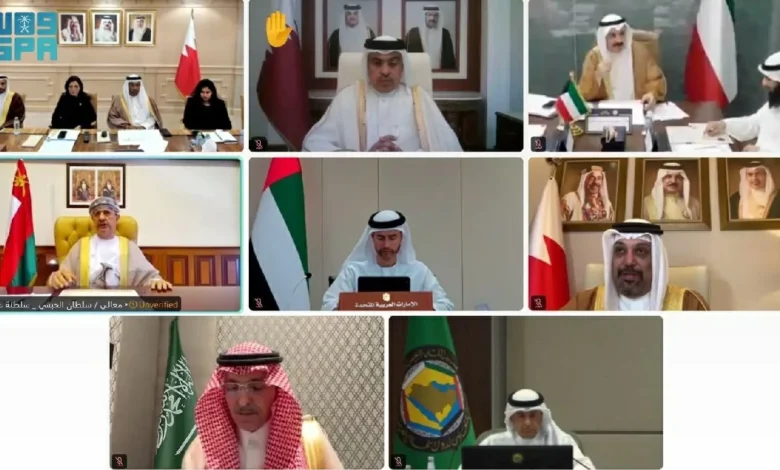
ترأس معالي وزير المالية السعودي، الأستاذ محمد بن عبدالله الجدعان، وفد المملكة العربية السعودية المشارك افتراضياً في الاجتماع الخامس والعشرين بعد المائة (125) للجنة التعاون المالي والاقتصادي لدول مجلس التعاون لدول الخليج العربية. عُقد هذا الاجتماع الاستراتيجي برئاسة معالي الشيخ سلمان بن خليفة آل خليفة، وزير المالية والاقتصاد الوطني في مملكة البحرين، والتي تتولى رئاسة الدورة الحالية للمجلس، وبمشاركة أصحاب المعالي وزراء المالية بدول المجلس، بالإضافة إلى معالي الأمين العام لمجلس التعاون لدول الخليج العربية.
أبرز ملفات اجتماع وزراء المالية بدول مجلس التعاون
ناقش أصحاب المعالي الوزراء خلال الاجتماع حزمة من الملفات الحيوية والموضوعات الاستراتيجية الرامية إلى تعزيز مسيرة التعاون المالي والاقتصادي الخليجي. وفي هذا الإطار، ركز المجتمعون على تقييم مستوى التقدم المحرز في استكمال متطلبات قيام الاتحاد الجمركي الخليجي، وهو أحد أهم ركائز التكامل الاقتصادي. كما تم اعتماد خطة عمل لجنة السوق الخليجية المشتركة للفترة الممتدة بين عامي 2026 و2028م، إلى جانب إقرار الدليل الاسترشادي الموحد لمشاركة دول مجلس التعاون في الفعاليات والمحافل الدولية الهامة. ولم يغفل الاجتماع عن مناقشة التطورات الجيوسياسية والاقتصادية المتسارعة التي تشهدها المنطقة، وتداعياتها المحتملة على اقتصادات دول المجلس، مع بحث سبل تعزيز التنسيق المشترك للتعامل مع هذه التحديات بمرونة وكفاءة عالية.
السياق التاريخي لمسيرة التعاون المالي والاقتصادي
بالنظر إلى السياق العام والخلفية التاريخية، يمثل التعاون المالي والاقتصادي حجر الزاوية في مسيرة مجلس التعاون لدول الخليج العربية منذ تأسيسه في عام 1981م. وقد توجت هذه الجهود بتوقيع الاتفاقية الاقتصادية الموحدة في عام 2001م، والتي أرست قواعد متينة للتكامل الاقتصادي بين الدول الأعضاء. وتلا ذلك خطوات تاريخية مفصلية، أبرزها إطلاق الاتحاد الجمركي الخليجي في عام 2003م، والإعلان عن قيام السوق الخليجية المشتركة في عام 2008م. هذه المحطات التاريخية تعكس الإرادة السياسية القوية لقادة دول المجلس في تذليل العقبات أمام حركة رؤوس الأموال والسلع والخدمات، وتوفير بيئة استثمارية جاذبة وموحدة تعود بالنفع على المواطن الخليجي وتدعم استدامة التنمية.
الأهمية الاستراتيجية والتأثير المتوقع للقرارات
تبرز أهمية هذا الاجتماع وتأثيره المتوقع على عدة أصعدة مترابطة. فعلى الصعيد المحلي، ينسجم هذا التعاون بشكل وثيق مع مستهدفات رؤية السعودية 2030 التي تسعى إلى تنويع مصادر الدخل الوطني وتعزيز الشراكات الاقتصادية الإقليمية والدولية. وعلى الصعيد الإقليمي، يسهم تسريع خطوات الاتحاد الجمركي وتفعيل السوق المشتركة في رفع حجم التبادل التجاري البيني، وخلق فرص عمل جديدة، وتعزيز مرونة الاقتصادات الخليجية في مواجهة الصدمات والتقلبات العالمية. أما على الصعيد الدولي، فإن توحيد الرؤى والسياسات المالية والاقتصادية يعزز من ثقل مجلس التعاون الخليجي ككتلة اقتصادية عالمية مؤثرة، قادرة على التفاوض وإبرام اتفاقيات تجارية استراتيجية مع التكتلات الاقتصادية الكبرى، مما يرسخ مكانة المنطقة كمركز مالي وتجاري عالمي رائد.