
In a strategic move reflecting the Kingdom of Saudi Arabia's commitment to protecting its agricultural resources, the National Center for Plant Pest and Animal Disease Prevention and Control (Wiqa'), in collaboration with its strategic partners in the Qassim region, launched the innovative "BugVape" technology. This advanced technology aims for the early detection of the red palm weevil, representing a significant leap forward in agricultural prevention and enhancing the efficiency of pest control efforts targeting the palm and date sector.
Historical context: The threat of the red palm weevil to food security
The red palm weevil is one of the most dangerous insect pests attacking date palms worldwide. First appearing in the Middle East during the 1980s, it quickly became an agricultural epidemic threatening millions of trees. The danger of this pest lies in its ability to hide; its larvae spend their development inside the palm trunk, destroying internal tissues and ultimately causing the tree to fall if not detected early. As one of the world's leading producers and exporters of dates, protecting this strategic crop is a cornerstone of food security and the national economy in Saudi Arabia.
Details of the launch of BugVape technology and the “Field Day” program
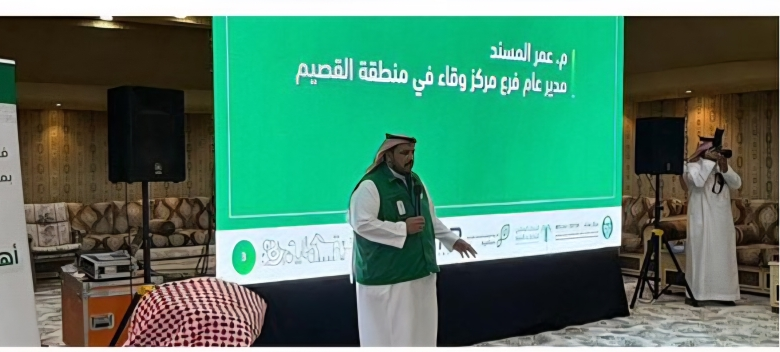
To bolster field efforts, the Weqaa Center announced an interactive program called "Field Day," in strategic partnership with the National Center for Palms and Dates and the National Agricultural Services Company. This alliance aims to protect strategic crops and effectively combat pests. Participants in the event reviewed the precise mechanism of the "BugVape" technology, highlighting its crucial role in supporting the monitoring and preventative measures within farms, enabling rapid intervention before infestations worsen.
Importance and expected impact: locally, regionally, and internationally
This event is of paramount importance on several levels. Locally, the technology contributes to protecting farms in the Qassim region, which is one of the Kingdom's most important food baskets and date producers, thus preserving a source of income for thousands of farmers. Regionally and internationally, this move reinforces the Kingdom's leadership in using modern agricultural technologies to combat transboundary pests. It also directly supports long-term "sustainable agricultural production" initiatives, aligning with the goals of Saudi Vision 2030 in achieving sustainable development and food security.
Real-world experiences and successes of integrated management
The meeting highlighted real-world experiences of several farmers who had implemented early detection technology, aiming to assess its direct and tangible impact in the fields. Organizers explained that these practical trials demonstrated significant success in enhancing the efficiency of integrated pest management, which aims to eradicate the red palm weevil and minimize the resulting economic losses.
The events concluded by highlighting the educational and awareness efforts, where the “Wiqa” Center and the National Agricultural Services Company play pivotal roles in providing an integrated package of rapid field detection and treatment services, which ensures an agricultural environment free of epidemics, and maintains the high status of Saudi dates in global markets.