Health insurance for Hajj: A broad hypothesis to mitigate environmental and epidemiological risks

Early preparations to ensure the safety of pilgrims
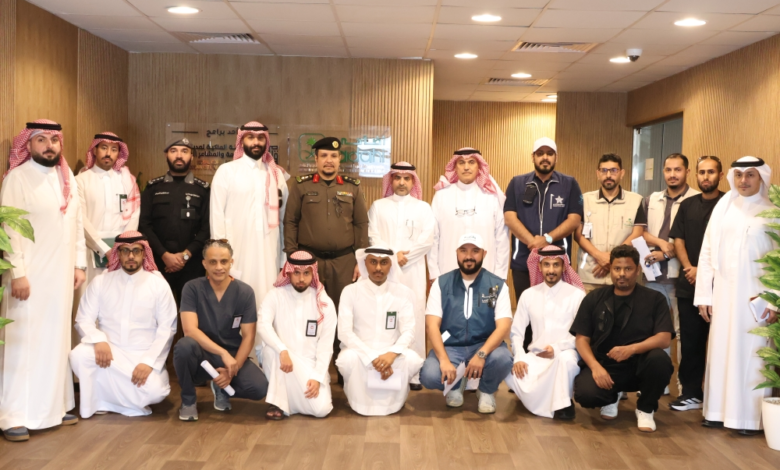
In a proactive step reflecting the immense responsibility borne by the Kingdom of Saudi Arabia in serving the Two Holy Mosques, the National Center for Plant Pest and Animal Disease Prevention and Control (Wiqa’) organized a comprehensive coordination meeting followed by a field exercise in Makkah. This initiative, undertaken with the participation of eight key government agencies, aimed to enhance health and environmental measures to safeguard the holy sites, as part of early preparations for the 1447 AH Hajj season.
Historical background and paramount importance
The Kingdom receives millions of pilgrims annually from around the world, making the Hajj season the largest recurring human gathering globally. This massive gathering presents unique logistical, health, and environmental challenges. Over the decades, Saudi Arabia has accumulated extensive experience in crowd management and responding to health emergencies. These field exercises are part of a proactive and institutional approach to ensuring the highest safety standards are met, particularly in light of emerging global health challenges, such as zoonotic diseases that can be transmitted between humans and animals, the monitoring of which is especially critical during the Hajj season.
Integrating efforts to raise the level of preparedness
The Weqaa Center explained that the field exercise aims to mitigate animal health risks and contain any potential epidemic threats arising from zoonotic diseases. The coordination meeting, held at the headquarters of the Kingdom's Project for the Utilization of Hajj Sacrifices, focused on discussing roles and responsibilities and unifying efforts among all participating sectors to ensure a rapid and effective response in accordance with approved emergency plans.
The entities participating in this integrated process included the branch of the Ministry of Environment, Water and Agriculture, the Ministry of Health, the Holy Capital Municipality, the Public Health Authority “Weqaya”, in addition to vital security agencies such as the National Center for Unified Security Operations (911), the Makkah Region Police, the Makkah Health Cluster, and the Kingdom’s Project for the Utilization of Hajj Sacrifices.
Local and international impact of preventive measures
The importance of these efforts extends beyond the local level of protecting the health and safety of pilgrims, citizens, and residents; it encompasses regional and international dimensions. The Kingdom's success in ensuring a safe and healthy environment during Hajj directly contributes to preventing the transmission of any diseases by pilgrims returning to their countries, thus strengthening the global health security system. This integrated approach also solidifies the Kingdom's position as a leading nation in managing massive human gatherings and reflects its unwavering commitment to providing the highest levels of care and safety for pilgrims, in line with the objectives of Saudi Vision 2030, which places serving the pilgrims at the forefront of its priorities.