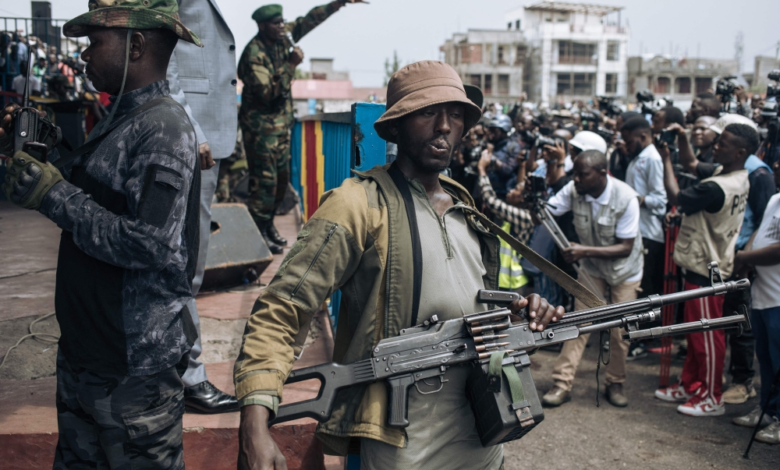

لقي ما لا يقل عن 69 شخصاً، معظمهم من المدنيين، مصرعهم في هجوم وحشي نفذته ميليشيا مسلحة في إقليم إيتوري، الواقع في شمال شرق جمهورية الكونغو الديمقراطية. وأكد مسؤول في المجتمع المدني المحلي أن الهجوم، الذي وقع في نهاية شهر أبريل الماضي، يُنسب إلى مسلحي ميليشيا “التعاونية لتنمية الكونغو” المعروفة اختصاراً بـ “كوديكو”. وأشار إلى أن الحصيلة الأولية للضحايا لا تزال مرشحة للارتفاع، وسط مخاوف من تجاوزها 70 قتيلاً، حيث تسببت الأوضاع الأمنية المتردية في المنطقة في تأخير عمليات انتشال جثث الضحايا لعدة أيام.
خلفية الصراع في إقليم إيتوري
لا يعد هذا الهجوم حادثاً معزولاً، بل يمثل حلقة جديدة في سلسلة العنف الطويل والمُعقد الذي يعصف بإقليم إيتوري منذ عقود. يُعتبر الإقليم بؤرة توتر تاريخية بين مجموعتين عرقيتين رئيسيتين: مزارعو “ليندو” ورعاة “هيما”. وقد اندلع الصراع بينهما بشكل عنيف بين عامي 1999 و2003، مما أسفر عن مقتل عشرات الآلاف وتشريد مئات الآلاف. وعلى الرغم من فترة هدوء نسبي، تجددت أعمال العنف بشكل حاد منذ عام 2017، حيث تتغذى التوترات على النزاعات حول الأراضي والموارد الطبيعية الغنية التي يزخر بها الإقليم، وعلى رأسها الذهب.
ميليشيا “كوديكو” ودوافع العنف
تُعد ميليشيا “كوديكو”، التي تتألف بشكل أساسي من مقاتلين من عرقية ليندو، واحدة من أكثر الجماعات المسلحة دموية في المنطقة. تدّعي الميليشيا أنها تدافع عن مصالح مجتمع ليندو ضد مجتمع هيما والجيش الوطني الكونغولي. ومع ذلك، فإن هجماتها غالباً ما تستهدف المدنيين بشكل عشوائي وبقسوة بالغة، بهدف السيطرة على المناجم والمناطق الزراعية، واستغلال الموارد لتمويل عملياتها. وقد أدت هذه الهجمات المتكررة إلى تفاقم الأزمة الإنسانية وخلق مناخ من الخوف وانعدام الثقة بين المجتمعات المحلية.
التأثير الإنساني والأبعاد الإقليمية
إن التأثير المباشر لهذا العنف كارثي على المستوى المحلي، حيث تسبب في موجات نزوح جماعية، مما أدى إلى اكتظاظ مخيمات النازحين وتفاقم الأوضاع الإنسانية الصعبة. ويعاني السكان من انعدام الأمن الغذائي، وانهيار الخدمات الأساسية مثل الصحة والتعليم. على الصعيد الإقليمي، يثير استمرار العنف في شرق الكونغو قلق دول الجوار، مثل أوغندا ورواندا، خوفاً من امتداد الاضطرابات عبر الحدود وتدفق اللاجئين. كما تواجه بعثة الأمم المتحدة لتحقيق الاستقرار في الكونغو (مونوسكو) تحديات جمة في حماية المدنيين في ظل اتساع رقعة العنف وتعدد الجماعات المسلحة، مما يستدعي تضافر الجهود الدولية لدعم مساعي تحقيق السلام والاستقرار في هذه المنطقة الحيوية من أفريقيا.