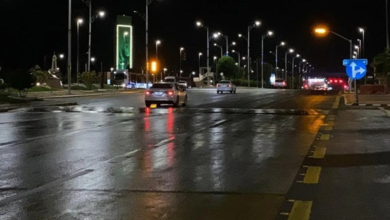

تحذيرات جوية متقدمة في المملكة
أصدر المركز الوطني للأرصاد في المملكة العربية السعودية، الجهة الرسمية المسؤولة عن مراقبة الظواهر الجوية وإصدار التنبيهات، إنذارين باللون الأحمر، وهو أعلى مستوى في مقياس التحذيرات، لمنطقتي تبوك ومكة المكرمة. تأتي هذه التحذيرات في إطار متابعة المركز للحالة الجوية المتقلبة التي تشهدها بعض مناطق المملكة، والتي تستدعي أقصى درجات الحيطة والحذر من قبل المواطنين والمقيمين.
ضباب كثيف يغطي أجزاء من تبوك
في منطقة تبوك، شمل الإنذار الأحمر محافظتي الوجه وأملج والمناطق المجاورة لهما. وحذر المركز من تشكل ضباب كثيف يؤدي إلى انعدام شبه تام في مدى الرؤية الأفقية، حيث قد تصل إلى أقل من كيلومتر واحد. بدأت هذه الحالة الجوية وتستمر حتى الساعة السابعة من صباح يوم الأحد. يشكل الضباب في هذه المناطق الساحلية على البحر الأحمر خطراً كبيراً على حركة السير، خاصة على الطرق السريعة التي تربط بين المحافظات، مما يزيد من احتمالية وقوع الحوادث المرورية. ودعت الجهات المعنية، وعلى رأسها الدفاع المدني وأمن الطرق، السائقين إلى توخي الحذر الشديد وتخفيف السرعة واستخدام الأنوار التحذيرية، وتأجيل الرحلات غير الضرورية حتى انقشاع الضباب وتحسن الرؤية.
أمطار غزيرة وسيول محتملة في الطائف
أما في منطقة مكة المكرمة، فقد تركز الإنذار الأحمر على محافظة الطائف والمناطق المرتفعة المحيطة بها. وتوقع المركز هطول أمطار غزيرة مصحوبة برياح شديدة السرعة، وتساقط لحبات البرَد، بالإضافة إلى جريان السيول وتشكل الصواعق الرعدية. ويبدأ هذا الإنذار من الساعة الثانية عشرة ظهراً ويستمر حتى الساعة الثامنة من مساء يوم الأحد. وتشتهر الطائف بتضاريسها الجبلية وأوديتها العميقة، مما يجعلها عرضة بشكل خاص لمخاطر السيول الجارفة عند هطول الأمطار الغزيرة. وتؤثر هذه الظروف الجوية بشكل مباشر على سلامة السكان والمتنزهين، حيث تعد الطائف وجهة سياحية رئيسية. وقد شددت السلطات على ضرورة الابتعاد عن مجاري الأودية والسيول والمناطق المنخفضة، وعدم المخاطرة بعبورها.
الأهمية والتأثير المتوقع
تعكس هذه الإنذارات الحمراء خطورة الظواهر الجوية المتوقعة وتأثيرها المحتمل على السلامة العامة والبنية التحتية. فعلى الصعيد المحلي، من المتوقع أن تشهد المناطق المعنية تعطلاً في حركة النقل، سواء على الطرق البرية أو حتى في حركة الملاحة الجوية والبحرية في بعض الحالات. كما أن السيول قد تتسبب في قطع الطرق وعزل بعض القرى، بالإضافة إلى الأضرار المادية التي قد تلحق بالممتلكات. وتعمل منظومة الإنذار المبكر التي يتبعها المركز الوطني للأرصاد على تمكين الجهات الحكومية ذات العلاقة، مثل الدفاع المدني والمرور والهلال الأحمر، من الاستعداد المسبق ورفع درجة الجاهزية للتعامل مع أي طارئ، بهدف حماية الأرواح والممتلكات وتقليل الآثار السلبية لهذه الظواهر الطبيعية.