Qatar warns Iran: Targeting neutral countries is reckless and irresponsible

Qatar's firm stance towards regional tensions
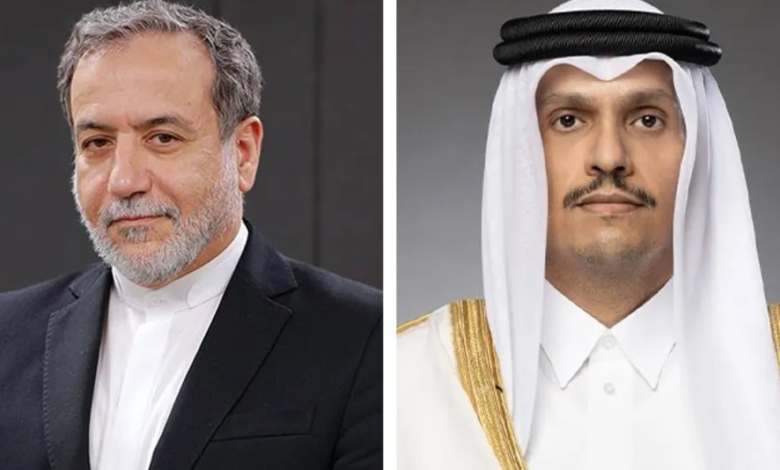
Amid escalating regional tensions in the Middle East, the State of Qatar delivered a firm and clear message to the Islamic Republic of Iran, asserting that any attempts to target countries that have distanced themselves from ongoing conflicts and wars constitute a reckless disregard for the region's security and stability. This Qatari stance reflects the Gulf Cooperation Council's commitment to sparing the region the devastation of a full-scale war that could jeopardize economic and security gains, and underscores the importance of respecting the sovereignty of neutral states.
General context and historical background of the tensions
Historically, relations in the Arabian Gulf region have been characterized by a delicate balance and a reluctance to engage in direct military escalation. With the outbreak of numerous crises in the Middle East, from the conflicts in Yemen and Syria to the current tensions related to the war in the Gaza Strip and the escalating tensions between Israel and Iran, the Gulf Cooperation Council (GCC) states, particularly Qatar, have sought to maintain a policy of non-intervention in military conflicts. Doha has instead focused on diplomacy and mediation to resolve disputes peacefully.
The Gulf states recognized early on that being drawn into any regional conflict would not serve their people's interests. Therefore, they maintained open channels of communication with all parties, including Tehran, to ensure the conflict did not escalate. However, the veiled or direct threats to the infrastructure or national security of these neutral states necessitated a firm diplomatic response that made their position unequivocally clear: any infringement upon Gulf security is a red line.
The importance of the Qatari position and its political implications
The Qatari statements are of paramount importance for several key reasons. First, Doha plays a pivotal role as a trusted international mediator in numerous complex issues, including the indirect negotiations between the United States and Iran, and the ceasefire efforts in Gaza. This strong statement from Doha reflects the seriousness with which the Qatari leadership views any unjustified escalation against countries not involved in the conflict.
Secondly, this stance reflects shared Gulf solidarity, as the countries of the region share the same concerns about the repercussions of any wider regional war. Describing the targeting of neutral countries as "reckless and irresponsible" sends a clear message to the Iranian leadership about the need for restraint and the imperative to refrain from using the territory or airspace of neighboring countries as an arena for settling political and military scores.
Expected impact locally, regionally, and internationally
At the local and regional levels, this firm stance reinforces the confidence of the Gulf peoples in their leaders' ability to protect their national security and spare them the ravages of war. It also places the onus on Iranian diplomacy to demonstrate goodwill towards its neighbors and reaffirm its commitment to the principles of good neighborliness and non-interference in the internal affairs of other states.
On the international level, the Gulf region is viewed by the international community as a vital artery for global energy supplies. Any threat to the security of this region is a direct threat to the entire global economy. Therefore, Qatar's stance against dragging neutral countries into the conflict is widely welcomed and supported by major powers seeking to maintain the stability of energy markets and secure international shipping lanes.
In conclusion, the State of Qatar affirms through this message that the language of reason and diplomacy must prevail over the language of weapons and threats, and that maintaining the security and stability of the Middle East requires all regional parties to act with full responsibility and refrain from any practices that could lead the region to slide into an escalation with dire consequences.