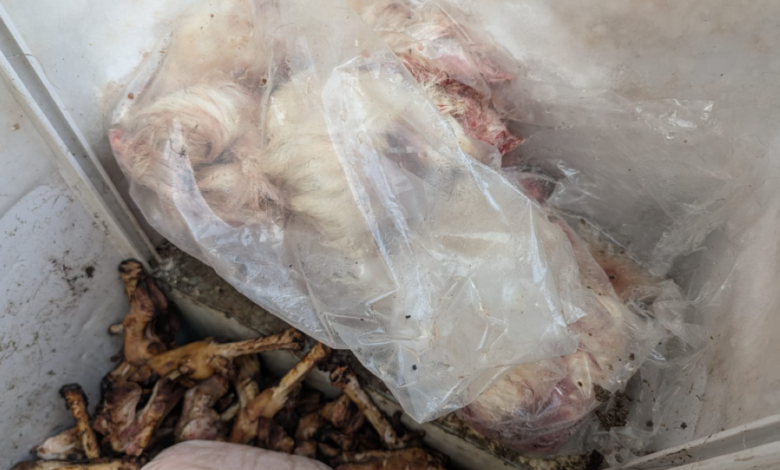
Jeddah Municipality destroys 3 tons of spoiled meat and closes illegal sites

Intensive efforts to protect public health in Jeddah
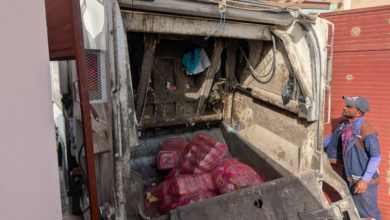
In its ongoing efforts to ensure food safety and protect consumers, the Jeddah Municipality announced today, Thursday, the execution of a large-scale field campaign that resulted in the destruction of a massive quantity of (3,150) kilograms of carcass parts and meat unfit for human consumption. The campaign also included the closure of two unlicensed and unregulated sites in the southern part of the city, as part of continuous efforts to eliminate illegal commercial practices.
General context and historical efforts of the Jeddah Municipality
Historically, Jeddah has been the economic capital of Saudi Arabia and the main gateway to the Two Holy Mosques, making it a magnet for rapid population and commercial growth. This rapid urban expansion has, over the decades, been accompanied by challenges related to the emergence of informal settlements and unlicensed commercial practices. In line with the objectives of Saudi Vision 2030, specifically the Quality of Life Program, the Ministry of Municipal and Rural Affairs and Housing, represented by the Jeddah Municipality, has intensified its efforts in recent years to regulate markets, eliminate visual pollution, and implement the highest food safety standards to ensure a healthy and safe environment for residents and visitors.
Details of the seizure and observed violations
The Director General of the General Administration for Monitoring and Addressing Negative Phenomena, Yasser bin Siraj Bayakhsh, explained that inspection teams visited an unlicensed site, essentially a "yard," being used as a workers' residence and an illegal slaughterhouse for processing meat. The site lacked even the most basic health and safety standards, with a heavy infestation of insects and rodents, and the presence of sheepskins of unknown origin. Nine large refrigerated units containing sheep, camel, and beef showing clear signs of spoilage were also seized, necessitating their immediate destruction by the Southern Sub-Municipality and the complete closure of the site.
The importance and expected impact of the event
At the local level, these campaigns help protect Jeddah residents from the risks of food poisoning and foodborne illnesses, and boost consumer confidence in local markets. Regionally ,the rigor of Saudi municipal oversight serves as a model for other Gulf Cooperation Council (GCC) countries in managing major cities and combating the informal economy. Economically, eliminating these unregulated areas ensures the protection of legitimate investments and licensed restaurants from unfair competition.
Controlling illegal workers and integrating government agencies
The campaign was not limited to confiscating food; it also included security and regulatory measures. Twenty-six workers were apprehended for operating illegally at a meat processing facility. At another unlicensed site, operating as an unregulated workshop for sewing tents and awnings, an additional twelve workers were arrested. All violators were handed over to the relevant security authorities. This campaign exemplified a model of "joint regulatory integration," implemented with the active participation of the Zakat and Tax Authority, Customs, the Ministry of Commerce, field enforcement, and Civil Defense, reflecting the strength of government coordination in combating suspicious activities.
Call for community participation
The municipality concluded its statement by emphasizing that its inspection teams will not hesitate to apply the strictest penalties against violators. It called upon all citizens and residents to play their part as partners in development and community protection by immediately reporting any suspicious practices or health violations through the 'Baladi' app or by contacting the unified reporting center (940).