
قرار حاسم لضبط السوق المحلي
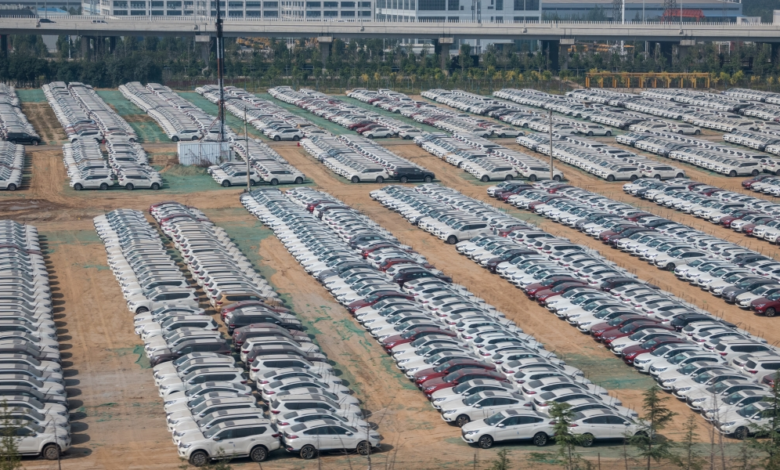
أصدرت الهيئة السعودية للمواصفات والمقاييس والجودة قراراً رقابياً صارماً يقضي بالمنع المؤقت لدخول السيارات الخفيفة الجديدة التي لا يزيد وزنها عن 3.5 طن، والواردة من 29 شركة صانعة للسيارات إلى أسواق المملكة العربية السعودية. يأتي هذا القرار في إطار حرص الجهات المعنية على تنظيم السوق وحماية المستهلكين من أي تذبذبات قد تؤثر على توافر المركبات وتلبية حجم الطلب المحلي.
أسباب المنع المؤقت وتفاصيل القرار
وأوضحت الهيئة أن هذا الإجراء الحازم جاء كنتيجة مباشرة لعدم التزام تلك الشركات بتقديم خطة التوريد الخاصة بها خلال الإطار الزمني المحدد. وتضمنت القائمة الرسمية للشركات التي شملها قرار المنع 29 علامة تجارية متعددة الجنسيات، برزت من بينها أسماء لامعة في قطاع صناعة السيارات مثل شركة فولفو (Volvo)، وماكلارين (McLaren)، وتاتا موتورز (Tata Motors)، إلى جانب عدد من الشركات المتخصصة في تصنيع المركبات الخفيفة.
السياق العام وأهمية استقرار سلاسل الإمداد
تاريخياً، شهد قطاع السيارات العالمي خلال السنوات القليلة الماضية تحديات غير مسبوقة في سلاسل الإمداد اللوجستية، بدءاً من أزمة نقص أشباه الموصلات وصولاً إلى اضطرابات الشحن العالمي. وفي هذا السياق، تسعى المملكة العربية السعودية، تماشياً مع مستهدفات حماية الاقتصاد الوطني، إلى استباق هذه الأزمات من خلال إلزام الشركات العالمية بتقديم خطط توريد واضحة ومسبقة. هذا الإجراء يضمن عدم حدوث نقص مفاجئ في المعروض، مما قد يؤدي إلى ارتفاع غير مبرر في الأسعار أو نقص في قطع الغيار وخدمات ما بعد البيع، وهو ما يمس مباشرة بمصلحة المستهلك السعودي.
تعميم القرار وتكاتف الجهات الرقابية
وفي خطوة تؤكد على التكامل بين الجهات الحكومية والخاصة، عممت غرفة الشرقية هذا التوجيه على جميع مشتركيها من وكلاء السيارات والمستوردين. استند هذا التعميم إلى خطاب رسمي تلقته من اتحاد الغرف السعودية، والذي بُني بدوره على برقية عاجلة من وزارة التجارة. وأكدت الجهات المعنية أن قرار الإيقاف في المنافذ الجمركية سيظل سارياً بشكل مؤقت ومشدد، ولن يتم رفعه إلا حين قيام الشركات الصانعة بتقديم خطط التوريد المطلوبة قبل نهاية العام الحالي 2026.
التأثير المتوقع للقرار على المستوى المحلي والإقليمي
من المتوقع أن يترك هذا القرار تأثيراً إيجابياً ملموساً على المدى الطويل. محلياً، سيعزز من موثوقية السوق السعودي ويجبر الشركات العالمية على التعامل بجدية أكبر مع المتطلبات التنظيمية للمملكة. إقليمياً، يرسخ هذا الإجراء مكانة السعودية كقوة اقتصادية رائدة تضع معايير صارمة لضمان استقرار أسواقها. وتأتي هذه الخطوة ضمن جهود الجهات الرقابية في رصد ومتابعة التزام الشركات الكبرى، لضمان استقرار سلاسل الإمداد اللوجستية وحماية السوق المحلية من أي تذبذب في تدفق المركبات الجديدة، مما يعكس نضج البيئة التشريعية والاقتصادية في المملكة.