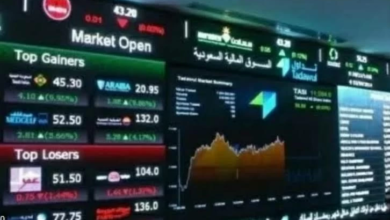

تعهد وزراء مالية ومحافظو البنوك المركزية في مجموعة الدول السبع (G7) بتبني سياسات مالية حذرة، محذرين من أن حالة “عدم اليقين الاقتصادي” المتزايدة ترفع من مخاطر تباطؤ النمو وتسارع التضخم العالمي.
تحذيرات مجموعة السبع من تباطؤ النمو الاقتصادي
أشار المسؤولون الماليون في ختام اجتماعاتهم إلى أن تصاعد التوترات الجيوسياسية، لا سيما مع استمرار الحرب في منطقة الشرق الأوسط وتزايد المخاوف من اتساع رقعة الصراع لتشمل إيران، قد ألقى بظلاله الثقيلة على المشهد الاقتصادي العالمي. وأكدت المجموعة أن هذه التوترات تفرض ضغوطاً غير مسبوقة على سلاسل إمدادات الطاقة، والغذاء، والأسمدة، مما دفعهم للتعهد بالتعاون المشترك لتقديم استجابات سياسية «مؤقتة وموجهة وتتسم بالمسؤولية المالية»، بهدف حماية النمو ودعم الأمن الاقتصادي وتعزيز المرونة.
السياق التاريخي: أزمات متتالية تضرب الاقتصاد العالمي
يأتي هذا الحدث في سياق تاريخي معقد، حيث لم يتعافَ الاقتصاد العالمي بالكامل من التداعيات العميقة التي خلفتها جائحة كورونا، والتي تلتها مباشرة الأزمة الروسية الأوكرانية التي أحدثت صدمة كبرى في أسواق الطاقة والغذاء. إن تداخل هذه الأزمات السابقة مع التوترات الحالية في الشرق الأوسط يجعل النظام المالي العالمي أكثر هشاشة وعرضة للصدمات، مما يفسر الحذر الشديد الذي يبديه صناع القرار في مجموعة السبع تجاه أي سياسات توسعية قد تزيد من تفاقم التضخم.
أهمية مضيق هرمز وتأثيره على سلاسل الإمداد
تبرز أهمية الحدث بشكل خاص عند النظر إلى المخاطر التي تهدد الممرات المائية الاستراتيجية، وعلى رأسها مضيق هرمز. يُعد هذا المضيق شرياناً حيوياً يمر عبره نحو خُمس استهلاك العالم من النفط يومياً، بالإضافة إلى كميات ضخمة من الغاز الطبيعي المسال. أي اضطراب في هذا الممر الحيوي سيؤدي حتماً إلى قفزات هائلة في أسعار الطاقة، وهو ما سينعكس فوراً على تكاليف الإنتاج والشحن، مما يغذي موجة جديدة من التضخم العالمي التي ستطال كافة السلع الأساسية بما فيها الغذاء والأسمدة الزراعية.
تقلبات أسواق السندات السيادية
وفي البيان الختامي الذي صدر في باريس عقب الاجتماعات، طغت المخاوف بشأن تقلبات أسواق السندات السيادية في عدد من دول المجموعة. فقد تعهد المسؤولون باتباع نهج متوازن لا يرهق المالية العامة. وقد جرت هذه الاجتماعات في وقت دفع فيه قلق المستثمرين من تصاعد التضخم بفعل أزمة إمدادات الطاقة إلى ارتفاع ملحوظ في عوائد السندات الحكومية. وتجلى ذلك بوضوح في اقتراب العائد على سندات الخزانة الأمريكية لأجل 30 عاماً من أعلى مستوياته المسجلة منذ عام 2007، مما يعكس تسعير الأسواق لمخاطر بقاء أسعار الفائدة مرتفعة لفترة أطول.
التداعيات المتوقعة: محلياً وإقليمياً ودولياً
يحمل هذا المشهد الاقتصادي تداعيات واسعة النطاق. على المستوى الدولي، قد تضطر البنوك المركزية الكبرى إلى الإبقاء على أسعار الفائدة عند مستويات تقييدية لفترة أطول من المتوقع، مما يهدد بدخول بعض الاقتصادات في ركود. إقليمياً، تواجه الدول المستوردة للطاقة في الشرق الأوسط تحديات مضاعفة تتمثل في ارتفاع فاتورة الاستيراد وتراجع قيمة العملات المحلية. أما محلياً، فإن المستهلك النهائي سيتحمل العبء الأكبر من خلال ارتفاع تكاليف المعيشة وتآكل القدرة الشرائية.
التزام البنوك المركزية باستقرار الأسعار
وفي ظل هذه الأجواء المشحونة، سعت مجموعة السبع إلى طمأنة المستثمرين والأسواق بأن صناع السياسات لن يغفلوا عن أولوياتهم القصوى. ورغم أن أياً من الحاضرين لم يرفع أسعار الفائدة منذ اندلاع الحرب الأخيرة، فقد شدد البيان الختامي على أن «البنوك المركزية تلتزم بقوة بالحفاظ على استقرار الأسعار، وضمان استمرار متانة النظام المالي». وأضاف البيان أن السياسة النقدية ستظل معتمدة على البيانات الدقيقة، حيث تراقب البنوك المركزية عن كثب تأثير ضغوط أسعار الطاقة والسلع الأخرى على التضخم، وتوقعات التضخم، والنشاط الاقتصادي العام.