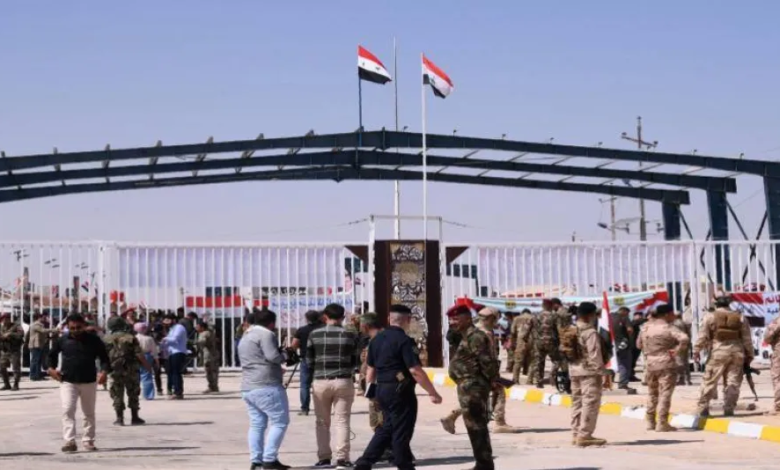

In a move with profound economic and political implications, Iraq officially announced the reopening of the Rabia border crossing with Syria, after a closure of nearly 13 years. This decision represents a significant turning point in bilateral relations between the two countries and opens the door to a new phase of trade and social cooperation, following years of security turmoil that have plagued the region.
Historical background: Years of closure due to security unrest
The Rabia border crossing, which corresponds to the Yaroubiya crossing on the Syrian side, has been closed since 2011, coinciding with the deterioration of the security situation in Syria. With the rise of the ISIS terrorist organization and its control over vast swathes of territory on both sides of the Iraqi-Syrian border, the crossing fell outside the control of both countries and became a battleground. Its closure was deemed necessary to prevent the infiltration of terrorist elements and to halt illicit activities, resulting in a near-complete halt to trade and passenger traffic through this vital artery connecting Iraq's Nineveh Governorate with Syria's Hasakah Governorate.
Strategic importance and expected impacts
The reopening of the Rabia crossing is of multi-dimensional importance, going beyond simply facilitating traffic flow, and its expected effects can be summarized in the following points:
- On the economic front, the opening of the border crossing is expected to significantly boost trade between the two countries. This will facilitate the flow of goods, including agricultural and industrial products, reducing transportation costs and supporting the local economies of Nineveh and Hasakah governorates. The crossing also represents a strategic gateway for Iraq to Syrian ports on the Mediterranean Sea and for Syria to Iraqi and Gulf markets, thus strengthening regional economic integration.
- On the social and humanitarian level, the crossing will help reconnect social and familial ties between clans and tribes on both sides of the border, ties that were severely disrupted during the years of closure. It will also facilitate the movement of citizens for visits, medical treatment, and education, and may play a role in facilitating the delivery of humanitarian aid to affected areas in northeastern Syria.
- On the political and security front, this step sends a strong message that both Iraq and Syria are exercising their full sovereignty over their territories and working to secure their borders. It also comes within the broader context of Syria's gradual return to its Arab fold and the strengthening of regional cooperation to confront shared challenges, foremost among them combating terrorism and achieving lasting stability in the region.
In conclusion, the reopening of the Rabia crossing is seen as a glimmer of hope for a better future for the region, and a practical step towards economic recovery and healing the wounds of years of conflict, with anticipation that this step will translate into tangible results that benefit the people of the two brotherly countries.