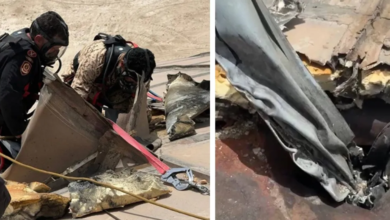

In a decisive diplomatic move reflecting the Kingdom of Saudi Arabia's commitment to protecting its national security and regional stability, the Saudi Ministry of Foreign Affairs announced the summoning of the Iraqi Ambassador to the Kingdom, Ms. Safia Taleb Al-Suhail. This urgent measure comes in response to the continued attacks and blatant threats targeting the Kingdom and other Gulf Cooperation Council (GCC) countries by drones launched from within Iraqi territory.
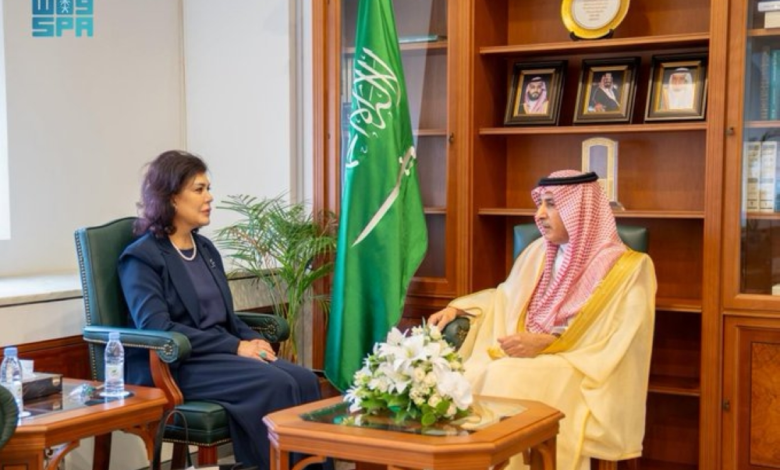
The Undersecretary of the Ministry of Foreign Affairs for Political Affairs, Ambassador Dr. Saud Al-Sati, received the Iraqi Ambassador and presented her with a strongly worded official protest note. The note included the Kingdom of Saudi Arabia's strongest condemnation of these repeated attacks originating from Iraqi territory, which constitute a flagrant violation of international laws and norms stipulating respect for the sovereignty of states and good neighborliness.
During the meeting, Ambassador Dr. Saud Al-Sati stressed the need for the Iraqi government to assume its full responsibilities regarding these threats and attacks originating from its territory. He reiterated the Kingdom's categorical rejection of any attempts to violate its sovereignty or threaten the security and stability of the entire region. He also delivered a clear message that the Kingdom of Saudi Arabia will not tolerate any infringement upon its resources and will take all necessary and decisive measures to defend its national security and protect its territory, citizens, and residents from any aggression.
Regional and historical context of the event
These developments come amid a complex regional landscape marked by the escalating use of drones by armed groups and irregular militias operating outside state control. The Arabian Gulf region has suffered similar attacks in recent years targeting civilian infrastructure and vital energy facilities, posing a direct threat not only to the security of Gulf states but also to global economic security and international energy supplies. These incidents underscore the importance of concerted regional and international efforts to curb the proliferation of these weapons and hold accountable those who provide them with safe haven.
Impact of the event on bilateral relations and the region
On the bilateral level, the Kingdom of Saudi Arabia and the Republic of Iraq have exerted considerable efforts in recent years to strengthen their diplomatic and economic relations. These efforts culminated in the establishment of the Saudi-Iraqi Coordination Council, the opening of border crossings, and the enhancement of trade exchange. However, the exploitation of Iraqi territory by outlaw groups to launch attacks against the Kingdom poses challenges to these positive efforts. Therefore, it is crucial that the Iraqi authorities assert their full sovereignty over their territory and prevent its use as a launching pad for hostile acts, in order to ensure the continued development of bilateral relations in a way that serves the interests of both brotherly nations.
Internationally, the security of the Kingdom of Saudi Arabia is of paramount importance to the international community, as the Kingdom is a cornerstone of stability in the Middle East. Any threat to its territory is often met with widespread international condemnation, placing additional pressure on the countries from which these threats originate to strengthen their internal security and adhere to the charters of the United Nations and the League of Arab States, which prohibit aggression against the sovereignty of other nations.