
A strategic step towards a healthy society
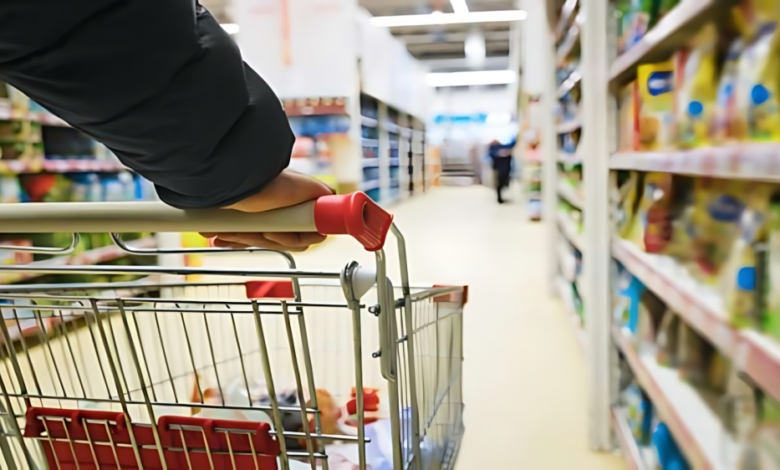
In a significant regulatory step aimed at promoting public health and improving the dietary habits of citizens and residents, the Ministry of Municipal and Rural Affairs and Housing in the Kingdom of Saudi Arabia has proposed a new draft resolution to regulate sales aisles in markets and retail outlets. The proposed regulation prohibits the display of food products with low nutritional value at checkout counters and points of sale, areas that typically experience impulse and unplanned purchases.
This decision, the draft of which was circulated on the “Survey” platform for public feedback, is part of a series of government initiatives aimed at creating a healthy food environment. The decision grants commercial establishments, including grocery stores and supermarkets, a proposed three-year grace period to allow them to fully comply with the new requirements.
General context: In line with Vision 2030
This regulatory approach is an integral part of Saudi Vision 2030, specifically within the "Vibrant Society" pillar, which focuses on improving quality of life and public health. Over the past few years, the Kingdom has launched numerous health initiatives, such as imposing a tax on sugary drinks, requiring restaurants and cafes to display calorie counts on their menus, and encouraging physical activity. Regulating checkout points represents a new link in this chain, directly targeting impulse buying behaviors that often center on sweets, soft drinks, and unhealthy snacks.
Regulation details and excluded products
The draft resolution clarified that the ban includes any food products that do not have high nutritional value. Conversely, the draft emphasized the need for clearly identifying permitted food items and including a statement attesting to their high nutritional value. A specific list of health products is exempt from this ban, including:
- Fresh vegetables and fruits.
- Salads without toast.
- Bottled drinking water and mineral water.
- Milk and gum without added sugar.
The project also leaves the door open for any further exceptions that may be issued later by the Saudi Food and Drug Authority, ensuring the flexibility of the regulations and their alignment with the latest health standards. It is worth noting that the decision does not prohibit the display of any consumer goods or non-food products on checkout counters.
Importance and expected impact
Locally, this decision is expected to contribute to reducing the prevalence of chronic diseases linked to unhealthy dietary patterns, such as obesity and type 2 diabetes. By modifying the "food environment" within stores, consumers are indirectly encouraged to make healthier choices. Regionally, this step could serve as a leading model for other countries in the region facing similar health challenges. Globally, this initiative positions the Kingdom among the leading nations implementing "health in all policies," a key recommendation of the World Health Organization for creating environments that support health and well-being.