International Atomic Energy Agency: No radioactive leak at Iranian facilities

IAEA confirmations regarding radiation levels
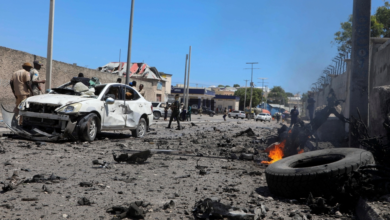
Amidst the ongoing military escalation and rising tensions in the Middle East, the International Atomic Energy Agency (IAEA) has reaffirmed its firm stance that it has detected no increase in nuclear radiation levels. This announcement aims to reassure the international community following reports that Israel targeted two Iranian nuclear facilities, including a uranium processing site. The IAEA prioritizes the safety of these facilities to prevent any environmental or humanitarian disaster.
Details of the attack on the Shahid Rezaei Nejad facility and calls for restraint
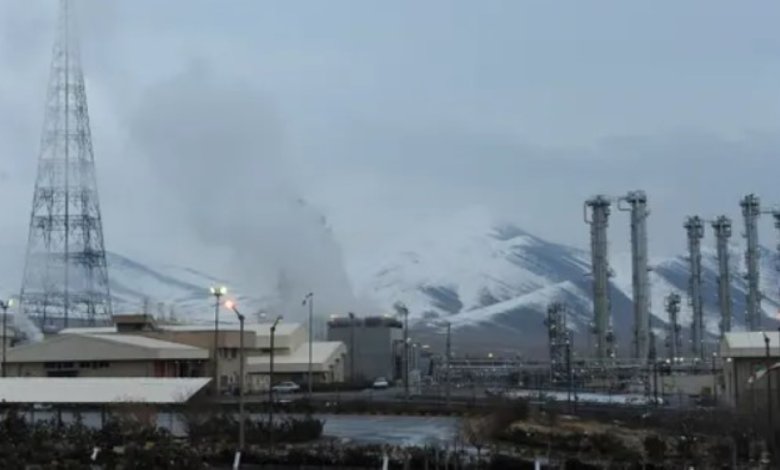
The Director General of the International Atomic Energy Agency (IAEA), Rafael Grossi, stated in an official statement published on his X platform that nuclear facilities should never be targets in military conflicts. Grossi reiterated his urgent call for "military restraint to avoid any risk of a nuclear accident." The IAEA clearly indicated that "no increase in extra-site radiation levels" had been detected at the Shahid Rezaei Nejad facility, which is used to produce uranium ore (yellowcake), meaning that the facility's sensitive infrastructure had not been breached in a way that would lead to a dangerous radioactive leak.
The historical context of the Iranian nuclear program and regional tensions
To understand the dimensions of this event, one must consider the complex historical context of Iran’s nuclear program. For decades, this program has been under intense international scrutiny, and Iran and Israel have waged a long-standing “shadow war” that has included cyberattacks (such as the Stuxnet virus in 2010) and acts of sabotage targeting critical facilities like Natanz and Isfahan. These tensions escalated significantly after the United States withdrew from the nuclear agreement (the Joint Comprehensive Plan of Action) in 2018, prompting Tehran to increase its uranium enrichment levels and reduce its cooperation with IAEA inspectors, further alarming regional and international powers.
Regional and international repercussions of targeting nuclear facilities
Targeting nuclear facilities, even if it does not result in an immediate radioactive leak, carries extremely serious repercussions at both the regional and international levels. Locally and regionally, any attack on a reactor or processing facility raises fears of a repeat of historical nuclear disasters, as any radioactive leak would not respect geographical boundaries and would threaten public health and the environment in neighboring countries. Internationally, such strikes would destabilize global energy markets and increase the likelihood of a full-blown regional war that could disrupt shipping in strategic waterways such as the Strait of Hormuz.
The importance of diplomacy and continued international oversight
In conclusion, the paramount importance of the International Atomic Energy Agency's role as a neutral safeguards body, tasked with preventing the proliferation of nuclear weapons and ensuring the peaceful use of nuclear energy, is underscored. The continued operation of IAEA inspectors and their access to sensitive sites in Iran are the only safeguards for providing accurate and transparent data to the world. Diplomatic solutions and adherence to international laws prohibiting attacks on peaceful nuclear facilities remain the only way to spare the Middle East and the world a disastrous escalation.