
ظاهرة فلكية مرتقبة تزين سماء المنطقة العربية
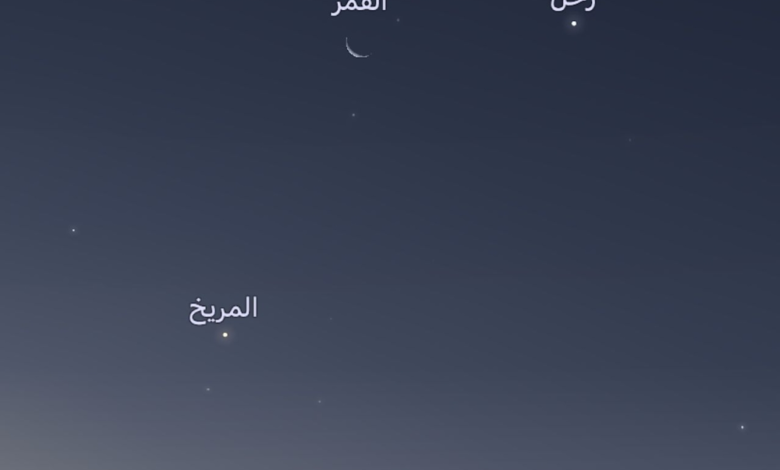
أعلنت الجمعية الفلكية بجدة أن سماء المملكة العربية السعودية والمنطقة العربية على موعد مع ظاهرة فلكية بديعة قبيل شروق شمس يوم الخميس الموافق 14 مايو 2026. سيتمكن هواة الفلك وعموم المهتمين من رصد “مثلث سماوي” فريد تشكله ثلاثة أجرام سماوية لامعة، وهي هلال القمر المتناقص (هلال آخر الشهر)، وكوكب المريخ “الكوكب الأحمر”، وكوكب زحل “سيد الخواتم”.
وأوضح رئيس الجمعية، المهندس ماجد أبوزاهرة، أن هذا المشهد السماوي سيكون مرئياً بوضوح في الأفق الشرقي، ويمكن متابعته بالعين المجردة دون الحاجة إلى معدات خاصة، شريطة أن تكون السماء صافية وبعيدة عن مصادر التلوث الضوئي في المدن. يمثل هذا الحدث فرصة رائعة للتأمل في جمال الكون وفهم حركة الأجرام السماوية.
خلفية تاريخية وأهمية رصد الاقترانات الفلكية
تُعرف مثل هذه التجمعات الظاهرية للأجرام السماوية في قبة السماء بمصطلح “الاقتران”. وعلى مر العصور، حظيت هذه الظواهر باهتمام كبير من الحضارات القديمة. فمنذ البابليين والمصريين القدماء، وصولاً إلى علماء الفلك العرب والمسلمين، كانت مراقبة حركة الكواكب والنجوم أساساً لوضع التقاويم وتحديد المواقيت والاتجاهات. كانت هذه الاقترانات تُعتبر أحياناً مؤشرات على أحداث مهمة أو رسائل سماوية، وقد ألهمت العديد من الأساطير والحكايات الشعبية.
في العصر الحديث، لم تعد لهذه الظواهر أي دلالات خرافية، بل أصبحت قيمتها علمية وتعليمية بحتة. فهي تتيح للعلماء والهواة على حد سواء التحقق من دقة حساباتهم للمدارات الكوكبية، كما أنها تعد تطبيقاً عملياً لفهم حركة نظامنا الشمسي وكيف تبدو الكواكب من منظورنا على كوكب الأرض.
كيفية وتوقيت الرصد الأمثل
للحصول على أفضل مشاهدة، نصح أبوزاهرة بالبدء في الرصد قبل شروق الشمس بحوالي 45 إلى 60 دقيقة. في هذا التوقيت، تكون الأجرام الثلاثة قد ارتفعت بشكل كافٍ فوق الأفق الشرقي، بينما لا يزال وهج الفجر خافتاً بما يسمح برؤيتها بوضوح. سيظهر كوكب زحل بلونه الذهبي المائل للصفرة في الجزء العلوي من المثلث، بينما يتألق كوكب المريخ بلمعانه البرتقالي المحمر في موقع منخفض أقرب إلى الأفق. أما هلال القمر الرقيق، فسيكمل أضلاع هذا التشكيل الهندسي السماوي.
كما يتيح ضعف إضاءة الهلال فرصة مميزة لرصد ظاهرة “نور الأرض” أو “Earthshine”، وهي الإضاءة الخافتة التي تظهر على الجزء غير المضاء من سطح القمر، وتنتج عن انعكاس ضوء الشمس من على سطح الأرض باتجاه القمر. ويمكن استخدام منظار بسيط أو كاميرا بعدسة مقربة لإبراز تفاصيل الهلال وهذه الظاهرة بشكل أوضح.
الأهمية العلمية والتثقيفية للحدث
تكمن أهمية متابعة مثل هذه الظواهر في دورها بتعزيز الوعي العلمي لدى الجمهور وتصحيح بعض المفاهيم الفلكية غير الدقيقة. إنها تجسيد حي للحركة الظاهرية اليومية للأجرام السماوية الناتجة عن دوران الأرض حول محورها. كما أنها تبرز الفروقات اللونية المميزة بين الكواكب، والتي تعكس اختلاف تركيبها الكيميائي والجيولوجي؛ فاللون الأحمر للمريخ يعود إلى أكاسيد الحديد على سطحه، بينما اللون الذهبي لزحل ينتج عن تركيب غلافه الجوي.
ويختتم أبوزاهرة بأن هذه الفعاليات الفلكية تشجع المهتمين، خاصة “جيل أرتميس” من الشباب، على توثيق الظاهرة بالتصوير الفلكي، وتربط الجمهور بشكل مباشر ببرامج استكشاف الفضاء الحديثة، مما يعزز الشغف بعلوم الفلك والفضاء وفهم مكانتنا في هذا الكون الفسيح.