
دعوة صينية عاجلة لنزع فتيل الأزمة
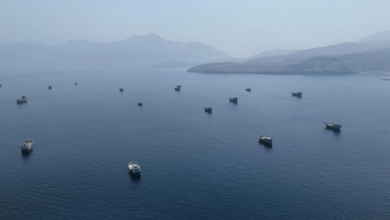
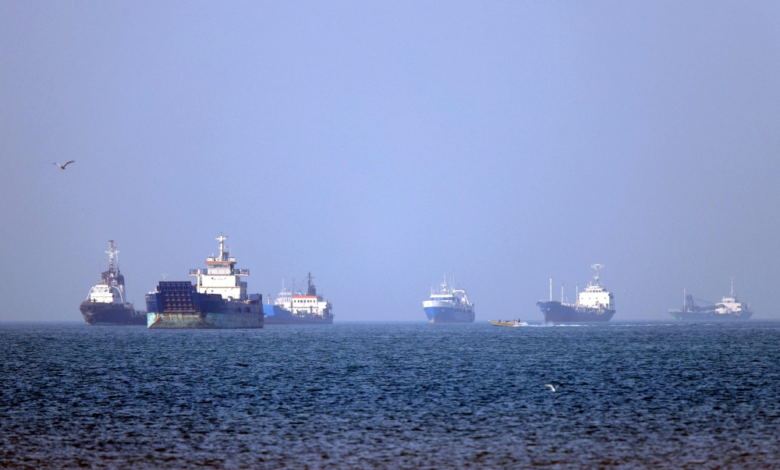
في خطوة دبلوماسية بارزة، دعا وزير الخارجية الصيني، وانغ يي، يوم الأربعاء، إلى وقف “كامل وفوري” لإطلاق النار في منطقة الشرق الأوسط، مشدداً على ضرورة إعادة فتح مضيق هرمز وتأمين حرية الملاحة فيه “في أسرع وقت ممكن”. جاءت هذه التصريحات خلال محادثات أجراها في بكين مع نظيره الإيراني، عباس عراقجي، في وقت تتصاعد فيه التوترات بشكل خطير بين طهران وواشنطن.
وأكد وانغ يي، بحسب بيان صادر عن مكتبه، أن “الصين تعتبر أنه يجب التوصل إلى وقف كامل لإطلاق النار بدون تأخير”، مضيفاً أن “استئناف الهجمات أمر غير مقبول إطلاقاً، وأن مواصلة التفاوض خطوة أساسية”. تعكس هذه الدعوة قلق بكين العميق من انزلاق المنطقة نحو مواجهة عسكرية شاملة قد تكون لها تداعيات كارثية على الاقتصاد العالمي وأمن الطاقة.
خلفية التوتر وأهمية مضيق هرمز
تأتي هذه المحادثات في سياق أزمة متفاقمة بدأت مع انسحاب الولايات المتحدة من الاتفاق النووي الإيراني عام 2018 وإعادة فرضها عقوبات اقتصادية قاسية على طهران. وقد شهدت المنطقة سلسلة من الحوادث المقلقة، بما في ذلك هجمات على ناقلات نفط في الخليج وإسقاط إيران طائرة مسيرة أمريكية، مما رفع منسوب التوتر إلى مستويات غير مسبوقة.
ويكتسب مضيق هرمز أهمية استراتيجية بالغة، حيث يُعد الشريان الحيوي لنقل الطاقة في العالم، إذ يمر عبره ما يقرب من خُمس استهلاك النفط العالمي يومياً. وأي إغلاق أو اضطراب في حركة الملاحة بهذا الممر المائي الضيق من شأنه أن يؤدي إلى ارتفاع هائل في أسعار النفط العالمية، ويهدد استقرار اقتصادات كبرى مثل الصين التي تعد أكبر مستورد للنفط في العالم وأحد الشركاء التجاريين الرئيسيين لإيران.
التأثيرات المحتملة والموقف الدولي
إن دعوة الصين لا تنبع فقط من مصالحها الاقتصادية، بل تعكس أيضاً دورها المتنامي كقوة عالمية تسعى للحفاظ على الاستقرار الدولي. فاندلاع حرب في الشرق الأوسط لن يقتصر تأثيره على الولايات المتحدة وإيران، بل سيمتد ليشمل دول الجوار وقد يغرق المنطقة بأكملها في الفوضى، مما يهدد خطوط التجارة العالمية ومشاريع البنية التحتية الدولية، بما في ذلك مبادرة “الحزام والطريق” الصينية.
في المقابل، وبينما تؤكد الإدارة الأمريكية استعداد قواتها للرد على أي هجوم إيراني يستهدف مصالحها أو حركة الملاحة، كما لوّح البنتاغون برد “مدمر”، فإن هناك تصريحات أمريكية تشير إلى أن العمليات الهجومية قد انتهت في الوقت الراهن. هذا التباين في المواقف يسلط الضوء على الطبيعة المعقدة للأزمة، ويجعل من الجهود الدبلوماسية، كتلك التي تقودها الصين، أمراً حيوياً لتجنب الأسوأ ومنع تحول الحرب الكلامية إلى مواجهة عسكرية فعلية.