
فاجعة جديدة تضرب قطاع التعدين: تفاصيل انفجار منجم فحم في الصين
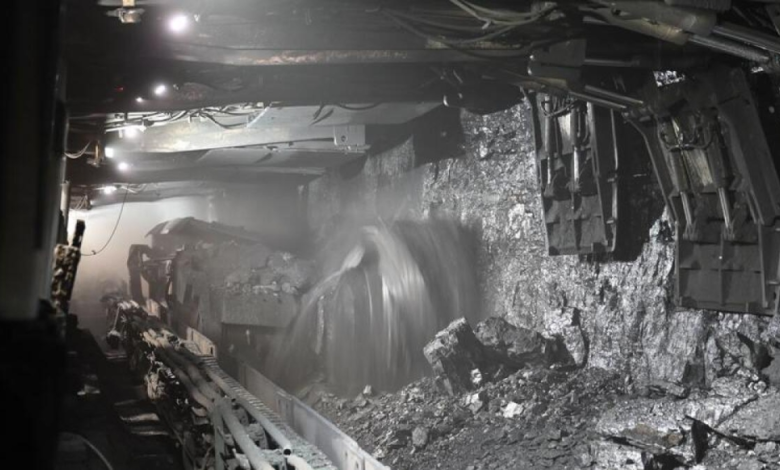
في حادثة مأساوية تسلط الضوء مجدداً على تحديات السلامة المهنية في قطاع التعدين، ارتفع عدد قتلى انفجار منجم فحم في الصين، وتحديداً في المنطقة الشمالية من البلاد، إلى 82 شخصاً، في حين لا تزال فرق الإنقاذ تواصل جهودها الحثيثة للبحث عن 9 أشخاص لا يزالون في عداد المفقودين. وقد أفادت قناة “سي سي تي في” (CCTV) الحكومية الصينية يوم السبت بتحديث هذه الحصيلة المفجعة، مما يجعل هذا الحادث واحداً من أعنف الحوادث التي شهدها القطاع في الآونة الأخيرة.
تفاصيل الحادث والعمال المحاصرين
وفقاً لما ذكرته وكالة الأنباء الصينية الرسمية “شينخوا”، كان هناك نحو 247 عاملاً يتواجدون تحت الأرض في منجم “ليوشينيو” وقت وقوع الانفجار الكارثي مساء يوم الجمعة بالتوقيت المحلي للصين. وقد تمكنت فرق الطوارئ من إجلاء عدد كبير من العمال، إلا أن شدة الانفجار والظروف المعقدة تحت الأرض حالت دون إنقاذ العشرات الذين لقوا حتفهم، بينما يسابق رجال الإنقاذ الزمن للعثور على المفقودين التسعة وسط بيئة محفوفة بالمخاطر وانبعاثات الغازات السامة.
توجيهات رئاسية عاجلة وتحقيقات شاملة
أمام فداحة الكارثة، تدخلت القيادة السياسية الصينية على أعلى المستويات. فقد وجه الرئيس الصيني “شي جين بينغ” نداءً عاجلاً وصارماً بضرورة بذل أقصى الجهود الممكنة لإنقاذ المفقودين ومعالجة المصابين وتوفير الرعاية الطبية اللازمة لهم. كما أمر بفتح تحقيقات شاملة وفورية للوقوف على الأسباب الجذرية التي أدت إلى وقوع هذا الانفجار المروع.
وأكدت وكالة “شينخوا” أن الرئيس الصيني شدد على ضرورة أن تستخلص جميع المناطق والإدارات الحكومية والخاصة الدروس والعبر من هذا الحادث الأليم. وطالب بضرورة البقاء في حالة تيقظ قصوى فيما يتعلق بسلامة أماكن العمل، وتطبيق معايير السلامة المهنية بصرامة لمنع تكرار مثل هذه المآسي في المستقبل.
السياق التاريخي لحوادث مناجم الفحم في الصين
لفهم أبعاد هذا الحادث، يجب النظر إلى السياق العام لقطاع التعدين في البلاد. تُعد الصين أكبر منتج ومستهلك للفحم في العالم، حيث يعتمد اقتصادها الصناعي الضخم بشكل كبير على هذا المورد لتوليد الطاقة. تاريخياً، كانت مناجم الفحم الصينية تُصنف ضمن الأخطر عالمياً بسبب كثرة الحوادث المميتة الناتجة عن انفجارات غاز الميثان، وانهيارات الأنفاق، والفيضانات الجوفية.
ومع ذلك، شهدت السنوات الأخيرة جهوداً حكومية مكثفة لتحسين سجل السلامة. فقد أغلقت السلطات آلاف المناجم الصغيرة وغير المرخصة التي كانت تفتقر إلى أبسط مقومات السلامة، وفرضت لوائح صارمة على المناجم الكبيرة. ورغم الانخفاض الملحوظ في معدلات الوفيات السنوية، إلا أن حوادث مثل انفجار منجم فحم في الصين لا تزال تقع بين الحين والآخر، غالباً بسبب التراخي في تطبيق القوانين أو الضغط لزيادة الإنتاج لتلبية الطلب المحلي المتزايد على الطاقة.
التأثير المتوقع للحادث (محلياً ودولياً)
على الصعيد المحلي، من المتوقع أن يُحدث هذا الانفجار صدمة في الأوساط العمالية، وسيدفع السلطات المحلية إلى إطلاق حملات تفتيش واسعة النطاق على جميع المناجم العاملة في المنطقة الشمالية والمقاطعات الأخرى. هذا الإجراء الروتيني بعد الكوارث الكبرى قد يؤدي إلى تعليق مؤقت للعمل في العديد من المناجم حتى يتم التأكد من مطابقتها لمعايير السلامة.
أما على الصعيدين الإقليمي والدولي، فإن أي تباطؤ أو توقف في إنتاج الفحم الصيني نتيجة لتشديد إجراءات السلامة قد يؤثر على أسواق الطاقة. فرغم التوجه العالمي نحو الطاقة المتجددة، يظل الفحم لاعباً رئيسياً في استقرار شبكات الكهرباء في الصين. وبالتالي، قد تنعكس هذه الإجراءات على أسعار الفحم العالمية، خاصة إذا اضطرت الصين لزيادة وارداتها لتعويض أي نقص محتمل في الإنتاج المحلي.
في الختام، تبقى مأساة منجم “ليوشينيو” تذكيراً قاسياً بالتكلفة البشرية الباهظة التي قد تصاحب التنمية الصناعية السريعة، وتؤكد على الحاجة الماسة لإيجاد توازن حقيقي بين تلبية احتياجات الطاقة المتنامية وضمان العودة الآمنة للعمال إلى عائلاتهم في نهاية كل يوم عمل.