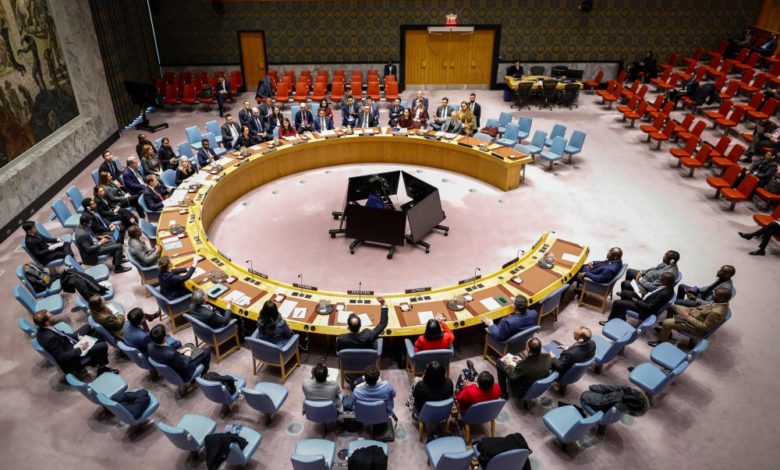

انتهت المحادثات المكثفة التي قادتها الأمم المتحدة على مدار أربعة أسابيع متتالية إلى طريق مسدود، حيث فشلت الدول الأعضاء في التوصل إلى اتفاق ختامي لمراجعة وتأكيد أهداف معاهدة عدم الانتشار النووي ونزع السلاح. هذا الفشل، الذي جاء وسط توقعات مسبقة منخفضة، يعكس حجم الانقسامات العميقة في النظام العالمي الحالي.
السياق التاريخي وأهمية معاهدة عدم الانتشار النووي
تُعد معاهدة عدم الانتشار النووي (NPT)، التي دخلت حيز التنفيذ في عام 1970، حجر الزاوية في جهود المجتمع الدولي لمنع انتشار الأسلحة النووية وتعزيز التعاون في الاستخدامات السلمية للطاقة النووية، إلى جانب هدفها الأسمى المتمثل في نزع السلاح النووي بالكامل. تُعقد مؤتمرات المراجعة كل خمس سنوات لتقييم التقدم المحرز، إلا أن هذا الفشل يمثل الإخفاق الثالث على التوالي بعد فشل مؤتمري 2015 و2022، مما يثير تساؤلات جدية حول مستقبل المعاهدة وفعاليتها في ظل التوترات الجيوسياسية الراهنة. ورغم غياب وثيقة ختامية، يؤكد الخبراء أن المعاهدة لا تزال ملزمة قانونياً، لكن شرعيتها السياسية تتآكل تدريجياً.
تفاصيل الإخفاق في أروقة الأمم المتحدة
صرح السفير الفيتنامي دو هونغ فييت، رئيس المؤتمر، بوضوح عن خيبة الأمل العامة قائلاً: “رغم بذلنا قصارى جهدنا، أدركت أن المؤتمر ليس في وضع يسمح له بالتوصل إلى اتفاق بشأن أعماله الجوهرية”. وأضاف أنه لا ينوي طرح الوثيقة النهائية للاعتماد بسبب غياب التوافق. هذا الإخفاق يترك العالم أمام فراغ دبلوماسي خطير، خاصة مع تزايد المخاوف من اندلاع سباق تسلح نووي جديد غير مقيد بضوابط دولية صارمة.
التوترات الإقليمية: إيران وكوريا الشمالية
أشار ريتشارد غوان، المحلل في مجموعة الأزمات الدولية، إلى أن النصوص المقترحة أصبحت “أقل ارتباطاً بواقع الصراعات الحالية وخطر الانتشار النووي”، لا سيما فيما يخص ملفي كوريا الشمالية وإيران. وقد أظهرت النسخة الأخيرة من مسودة النص، التي اطلعت عليها وكالات الأنباء، تخفيفاً في اللهجة؛ حيث اكتفت بالإشارة إلى أن طهران يجب ألا تطور أسلحة نووية “أبداً”، مع حذف الإشارة الصريحة إلى “عدم امتثال” إيران لالتزاماتها السابقة. كما غاب عن النص أي تعبير عن القلق العميق إزاء البرنامج النووي المتسارع لكوريا الشمالية، أو أي دعوة صريحة لـ “نزع السلاح النووي” من شبه الجزيرة الكورية، مما يعكس تنازلات دبلوماسية لتجنب الفشل، والتي لم تكن كافية في النهاية.
سباق التسلح وانهيار المعاهدات الثنائية
من أبرز النقاط التي غابت عن المسودة النهائية هي الدعوة المباشرة للولايات المتحدة وروسيا لاستئناف المفاوضات بشأن معاهدة جديدة تحل محل معاهدة “نيو ستارت” (New START)، وهي الاتفاقية الثنائية الوحيدة المتبقية التي تحد من الترسانتين النوويتين الأكبر في العالم. وفي هذا السياق، انتقد سيث شيلدن من الحملة الدولية لإلغاء الأسلحة النووية (ICAN) الوضع، مشيراً إلى أن “حفنة صغيرة من الدول المسلحة نووياً، وبعض حلفائها، تقوض معاهدة عدم الانتشار النووي وتحبط جهود نزع السلاح، مما يوجه العالم نحو كارثة”.
خريطة الترسانة النووية العالمية
ووفقاً لبيانات معهد ستوكهولم الدولي لبحوث السلام (SIPRI) لعام 2025، تمتلك الدول التسع المسلحة نووياً (روسيا، الولايات المتحدة، فرنسا، المملكة المتحدة، الصين، الهند، باكستان، إسرائيل، وكوريا الشمالية) ما يقرب من 12,241 رأساً نووياً. وتستحوذ واشنطن وموسكو وحدهما على نحو 90% من هذه الترسانة العالمية، وقد نفذتا برامج ضخمة لتحديث أسلحتهما في السنوات الأخيرة، مما يزيد من تعقيد المشهد الأمني العالمي ويجعل الحاجة إلى توافق دولي أمراً أكثر إلحاحاً من أي وقت مضى.