
شهدت مقاطعة شانشي شمالي البلاد حادثاً مأساوياً جديداً، حيث وقع انفجار منجم فحم في الصين أسفر عن مقتل ثمانية عمال على الأقل، بينما لا يزال 38 آخرون محاصرين تحت الأرض. هذا الحادث يعيد تسليط الضوء على تحديات السلامة المهنية في قطاع التعدين الصيني الذي يعد الأكبر عالمياً.
تفاصيل حادث انفجار منجم فحم في الصين
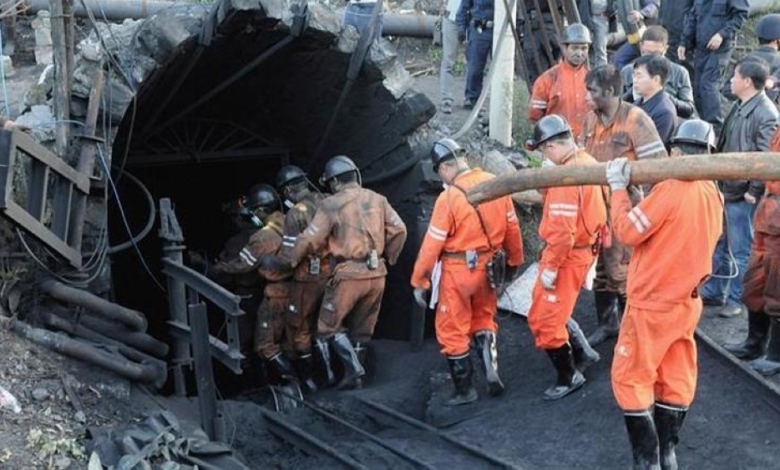
وفقاً لما أفادت به وكالة الأنباء الصينية الرسمية “شينخوا”، وقع الانفجار الغازي في منجم “ليوشوغو” للفحم عند الساعة 19:29 بالتوقيت المحلي (11:29 بتوقيت غرينتش) من مساء يوم الجمعة. وأوضحت إدارة الطوارئ المحلية أن 247 عاملاً كانوا متواجدين تحت الأرض لحظة وقوع الكارثة. وبحلول الساعة السادسة من صباح يوم السبت، نجحت فرق الإنقاذ في إجلاء 201 عامل إلى السطح، في حين تأكدت وفاة 8 عمال، وبقي 38 عاملاً يواجهون مصيراً مجهولاً في أعماق المنجم.
جهود الإنقاذ وتوجيهات الرئيس الصيني
في استجابة سريعة للكارثة، أصدر الرئيس الصيني شي جين بينغ توجيهات صارمة بضرورة بذل “كل الجهود الممكنة” لإنقاذ المحاصرين ومعالجة المصابين. كما شدد على أهمية إجراء تحقيقات شاملة وشفافة للوقوف على أسباب الحادثة. وأكد الرئيس الصيني على ضرورة أن تستخلص جميع المناطق والإدارات المعنية الدروس القاسية من هذه الفاجعة، مع البقاء في حالة تيقظ قصوى فيما يتعلق ببروتوكولات سلامة بيئة العمل.
وأشارت تقارير أولية إلى أن مستويات غاز أول أكسيد الكربون، وهو غاز شديد السمية وعديم الرائحة، قد “تجاوزت الحدود المسموح بها” داخل المنجم، مما يجعل حالة بعض المحاصرين “حرجة للغاية”، في حين لا تزال أسباب الانفجار الدقيقة قيد التحقيق المستمر من قبل السلطات المختصة.
مقاطعة شانشي: قلب صناعة الفحم الصينية
تُعد مقاطعة شانشي بمثابة عاصمة تعدين الفحم في الصين، حيث تساهم بنسبة كبيرة من الإنتاج المحلي الذي يغذي الآلة الصناعية الضخمة للبلاد. تاريخياً، اعتمدت الصين بشكل شبه كلي على الفحم الحجري لدفع عجلة نموها الاقتصادي السريع منذ أواخر السبعينيات. هذا الاعتماد الكثيف جعل قطاع التعدين من أهم القطاعات الحيوية، ولكنه في الوقت ذاته من أخطرها، حيث يعمل ملايين العمال في ظروف قاسية تحت الأرض لتأمين احتياجات البلاد من الطاقة.
تاريخ حوادث المناجم في الصين وتأثيراتها
على الرغم من أن الصين قد شهدت تحسناً ملحوظاً في معايير سلامة المناجم خلال العقود الأخيرة بفضل القوانين الصارمة وإغلاق المناجم الصغيرة غير المرخصة، إلا أن الحوادث المميتة لا تزال تقع بشكل متكرر. غالباً ما تُعزى هذه الحوادث إلى التراخي في تطبيق بروتوكولات السلامة أو السعي وراء زيادة الإنتاج لتلبية الطلب المتزايد. محلياً، تترك هذه الحوادث آثاراً اجتماعية مدمرة على عائلات العمال وتثير تساؤلات مستمرة حول حقوق العمال وسلامتهم المهنية، مما يضع ضغوطاً إضافية على الحكومة لتشديد الرقابة.
التحديات البيئية ومستقبل الطاقة في الصين
من الجدير بالذكر أن الصين تُصنف كأكبر مستهلك للفحم في العالم، وأكبر مصدر لانبعاثات غازات الدفيئة المسببة للاحتباس الحراري. ورغم هذه الحقائق، تقود بكين حالياً جهوداً عالمية ضخمة في مجال التحول نحو الطاقة النظيفة، حيث تقوم بتركيب قدرات هائلة من الطاقة المتجددة مثل الطاقة الشمسية وطاقة الرياح بسرعة قياسية. إن التوازن بين تلبية احتياجات الطاقة الفورية عبر الفحم للحفاظ على النمو الاقتصادي، وبين الالتزامات المناخية الدولية وتحسين سجل السلامة العمالية، يمثل التحدي الأبرز للصين في المرحلة الراهنة.