Preparations for the Hajj season 1447: Makkah's environment identifies challenges on the ground

Early preparations for the Hajj season begin in the holy city of Mecca
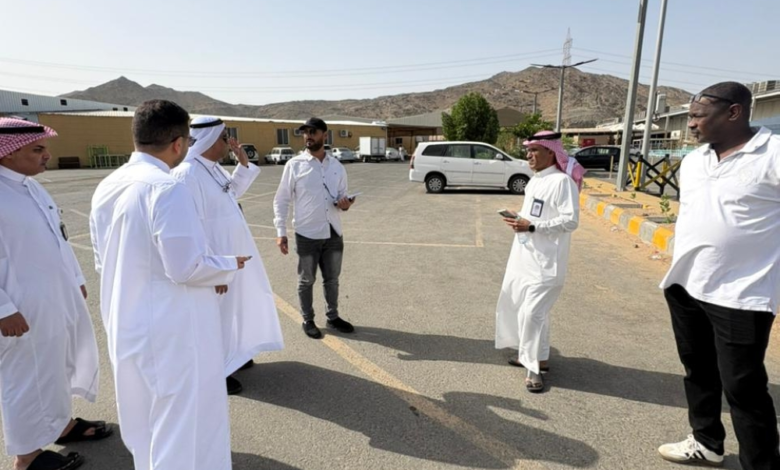
In a proactive step reflecting the Saudi Arabian government's commitment to providing the best possible services to pilgrims, the Ministry of Environment, Water and Agriculture's office in Makkah conducted an extensive field visit to assess the current situation. This visit, undertaken in partnership with the Ministry's Makkah branch's Support Services Department and the National Agricultural Services Company, aimed to identify obstacles and challenges at sites under the Ministry's purview, including markets and slaughterhouses, as part of early preparations for the 1447 AH Hajj season.
General context and historical background of serving pilgrims
Historically, the Kingdom of Saudi Arabia has placed great importance and meticulous attention on organizing the Hajj season. Managing crowds and ensuring food and health security for millions of pilgrims within a limited geographical area and a short timeframe is one of the world's greatest logistical challenges. With the launch of Vision 2030, and specifically through the initiatives of the Guests of God Service Program, institutional efforts to enhance the quality of services provided have intensified. The Ministry of Environment, Water and Agriculture plays a pivotal role in this context, particularly in overseeing slaughterhouses and public markets to guarantee the safety of meat and food, and in managing the Kingdom's project for utilizing sacrificial animals, which serves millions of Muslims annually.
Details of the field visit and urgent solutions
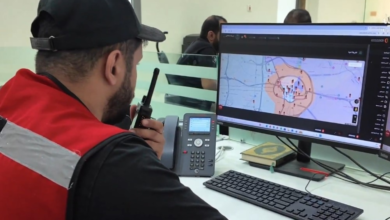
During the recent field visit, the readiness of facilities and services at key locations was thoroughly assessed. Specialized teams documented all field observations and developed immediate and comprehensive solutions to ensure smooth operations throughout the season. This proactive approach directly contributes to enhancing the services provided to pilgrims and supports field teams in addressing any errors or shortcomings that could disrupt operations.
The importance of the event and its local and international impact
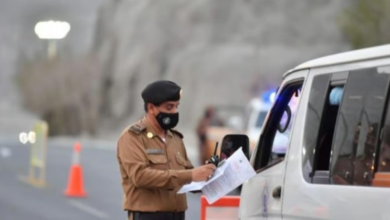
This early preparation is of paramount importance and has a multifaceted impact. Locally, it ensures market stability and the availability of safe food products, and protects the public health of the residents of the Holy City and its visitors through strict oversight of slaughterhouses and the prevention of unregulated operations. Regionally and internationally, the Kingdom's success in managing the environmental, agricultural, and food aspects of the Hajj season sends a reassuring message to the entire Muslim world and underscores Saudi Arabia's leadership in managing massive human gatherings according to the highest global health and environmental standards.
A vital role and sustainable institutional integration
For his part, the Director of the Ministry's office in the Holy City of Mecca, Dr. Mohammed bin Abdullah Al-Hutairshi, explained that the on-site inspections are in line with the Ministry's directives to prepare early for the Hajj season and to address any obstacles that may hinder the work, particularly at the aforementioned sites, given their vital role in the operational system. Al-Hutairshi added that the field teams will continue to monitor the sites through regular on-site inspections to address any issues promptly. He emphasized that the integration between the Ministry's branch in the Makkah region, the support services of the Ministry's branch in the Makkah region, and the National Agricultural Services Company aims primarily to achieve the highest standards of quality and safety and to provide the best possible service to the pilgrims.