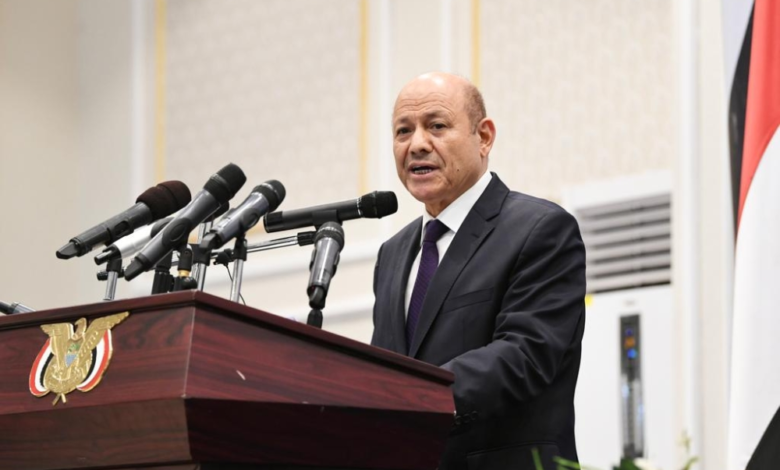
Al-Alimi requests that a comprehensive southern conference be held in Riyadh

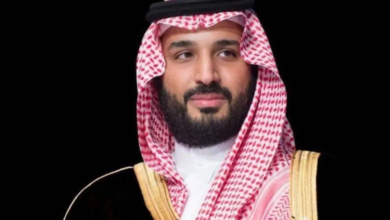
Dr. Rashad al-Alimi, head of the Presidential Leadership Council in Yemen, announced a significant political step aimed at restructuring Yemen's internal affairs. He revealed that the Council has submitted a formal request to the Kingdom of Saudi Arabia to host and sponsor a "comprehensive southern conference" in Riyadh. This request is addressed to the Custodian of the Two Holy Mosques, King Salman bin Abdulaziz, and his Crown Prince, Mohammed bin Salman, within the framework of the Kingdom's pivotal role in ensuring Yemen's stability and supporting national reconciliation efforts.
Context of the initiative and its political significance
This call comes at a sensitive time for Yemen, as the legitimate leadership seeks to unify the home front to confront political, military, and economic challenges. This proposed conference is a natural extension of the outcomes of the Riyadh consultations held in April 2022, which led to the formation of the Presidential Leadership Council and the transfer of power, with the aim of ending divisions and unifying efforts against common threats.
Al-Alimi stressed in his statements that the southern issue represents a fundamental and pivotal pillar in the path of building the modern Yemeni state, stressing that addressing it must be fair and equitable, taking into account the historical, social and political dimensions that have accumulated since 1994 and the events that followed that affected the social fabric in the southern governorates.
Rejecting the language of force and promoting civil peace
In addressing potential tensions in some areas, the head of the Presidential Leadership Council emphasized the categorical rejection of any policy of imposing a fait accompli by force or using weapons to achieve narrow political gains. He clarified that the leadership places "protecting civil peace" at the forefront of its priorities and seeks to establish the principles of national partnership and reject exclusion and marginalization.
The upcoming conference aims to bring together all southern political and social components under one umbrella, to agree on a "comprehensive national framework" that guarantees a fair and comprehensive solution to the southern issue, thereby enhancing the stability of the interim capital Aden and the liberated governorates, and paving the way for a comprehensive peace phase in Yemen.
Saudi Arabia's pivotal role
Yemenis are placing their hopes on Saudi diplomacy, which previously succeeded in brokering the 2019 Riyadh Agreement, credited with defusing military crises in the south. Political circles view the Kingdom's anticipated response to this request as a necessary step to bridge the gap between the various southern factions and unify their visions before entering into any negotiations for a final solution to the Yemeni crisis. This reflects the Kingdom's continued commitment to supporting Yemen, both its land and its people.