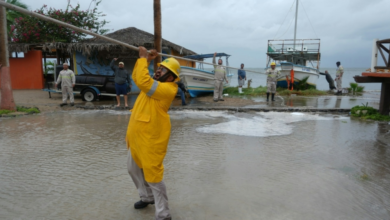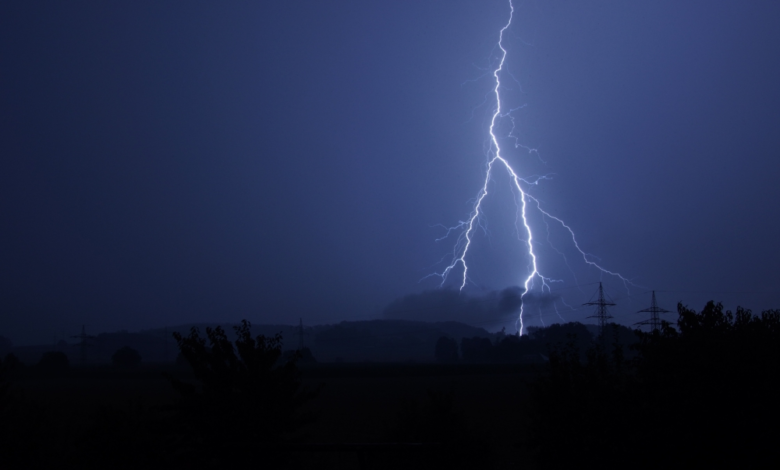

لقي ما يقرب من 90 شخصًا مصرعهم وأصيب العشرات جراء عاصفة عنيفة ضربت ولاية أوتار براديش، الولاية الأكثر اكتظاظًا بالسكان في الهند. اجتاحت العاصفة، التي كانت مصحوبة برياح عاتية وأمطار غزيرة وصواعق رعدية، العديد من المناطق، مخلفة وراءها دمارًا كبيرًا في الممتلكات والبنية التحتية.
وأكد مسؤولون في إدارة الإغاثة بالولاية أن معظم الوفيات نتجت عن حوادث متفرقة سببتها الظروف الجوية القاسية، حيث لقي العديد من الضحايا حتفهم بسبب انهيار جدران المنازل وسقوط الأشجار وأعمدة الكهرباء، بالإضافة إلى الصواعق المميتة. وأظهرت لقطات بثتها وسائل الإعلام المحلية مشاهد مروعة لأشجار مقتلعة ولوحات إعلانية محطمة، بينما غطى الحطام الطرقات، مما أعاق حركة المرور وجهود الإنقاذ الأولية.
السياق المناخي والطبيعة الموسمية للعواصف
تُعد هذه العواصف ظاهرة مناخية شائعة في ولايات شمال الهند خلال فترة ما قبل الرياح الموسمية، والتي تمتد عادةً من شهر مارس إلى يونيو. خلال هذه الفترة، يؤدي الارتفاع الشديد في درجات الحرارة إلى تسخين الهواء القريب من سطح الأرض، مما يخلق حالة من عدم الاستقرار الجوي. يتصاعد هذا الهواء الساخن بسرعة ليصطدم بكتل هوائية أبرد في طبقات الجو العليا، مما يؤدي إلى تكوّن سحب ركامية ضخمة وتوليد عواصف رعدية عنيفة تُعرف محليًا بأسماء مختلفة. تتميز هذه العواصف بقوتها المفاجئة وقصر مدتها، لكنها تكون مدمرة للغاية بسبب شدة الرياح والأمطار المصاحبة لها.
الأهمية والتأثيرات المتوقعة للكارثة
على المستوى المحلي: تُعد الخسائر البشرية الفادحة هي الأثر الأكثر إيلامًا لهذه الكارثة. بالإضافة إلى ذلك، تواجه السلطات المحلية تحديات ضخمة تتمثل في إيواء المشردين، وإعادة بناء المنازل المدمرة، وإصلاح البنية التحتية الحيوية مثل شبكات الكهرباء والمياه والطرق. كما يتكبد القطاع الزراعي، الذي يعتمد عليه جزء كبير من سكان الولاية، خسائر فادحة نتيجة تلف المحاصيل، مما يهدد سبل عيش المزارعين ويزيد من الأعباء الاقتصادية عليهم.
على المستوى الإقليمي والدولي: تسلط هذه الكارثة الضوء مجددًا على مدى ضعف المجتمعات الريفية في الهند أمام التغيرات المناخية والظواهر الجوية المتطرفة. ومع تزايد وتيرة وقوة هذه العواصف، وهو ما يربطه العلماء بتأثيرات الاحتباس الحراري، تبرز الحاجة الملحة لتعزيز أنظمة الإنذار المبكر وتطوير بنية تحتية أكثر قدرة على الصمود. كما تجذب مثل هذه الأحداث انتباه المنظمات الإنسانية الدولية، وتؤكد على أهمية التعاون الدولي في مجال إدارة الكوارث وتقديم الدعم للدول النامية لمواجهة تحديات تغير المناخ.