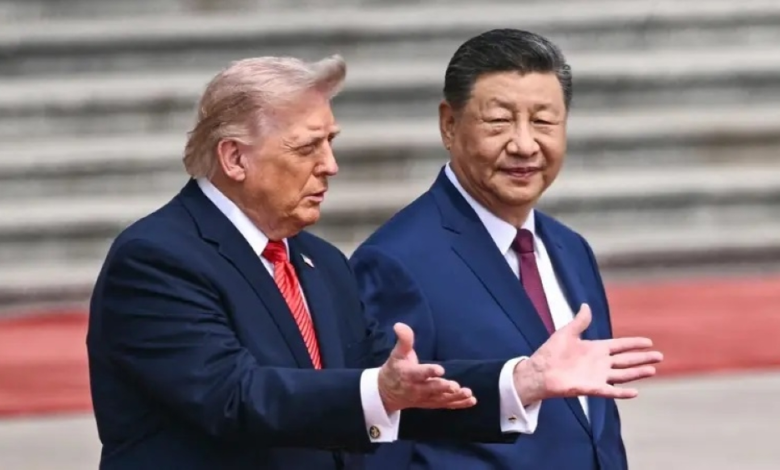

حظي الرئيس الأمريكي السابق دونالد ترامب باستقبال حافل ووصف بأنه “زيارة دولة بلس” خلال وصوله إلى بكين في نوفمبر 2017، في محطة رئيسية ضمن جولته الآسيوية. وقد أظهرت مقاطع الفيديو والمراسم الرسمية التي أقيمت في قاعة الشعب الكبرى حفاوة بالغة من نظيره الصيني شي جين بينغ، في مشهد عكس أهمية العلاقات الثنائية بين أكبر اقتصادين في العالم، ولكنه أخفى وراءه أجندة مليئة بالملفات الشائكة والخلافات العميقة.
خلفية الزيارة وسياقها التاريخي
جاءت زيارة ترامب للصين في وقت كانت فيه العلاقات الأمريكية الصينية تمر بمرحلة حساسة. فمن ناحية، بنى ترامب جزءًا كبيرًا من حملته الانتخابية على انتقاد الممارسات التجارية الصينية، متهمًا بكين بالتلاعب بالعملة وسرقة الوظائف الأمريكية. ومن ناحية أخرى، أدركت إدارته أهمية التعاون مع الصين للتعامل مع التحديات العالمية، وعلى رأسها التهديد المتنامي لبرنامج كوريا الشمالية النووي. كانت هذه الزيارة بمثابة اختبار حقيقي لقدرة الزعيمين على بناء علاقة عمل شخصية يمكنها تجاوز الخلافات الاستراتيجية بين بلديهما.
أهمية القمة وتأثيرها المتوقع
تركزت المباحثات بين ترامب وشي جين بينغ على محورين رئيسيين، لكل منهما تأثيره المحلي والإقليمي والدولي:
- الملف التجاري: كان العجز التجاري الضخم للولايات المتحدة مع الصين هو الشاغل الأكبر لترامب. سعى الرئيس الأمريكي إلى الضغط على بكين لفتح أسواقها بشكل أكبر أمام المنتجات الأمريكية وتقليل الحواجز التجارية. أسفرت الزيارة عن توقيع اتفاقيات تجارية بقيمة تتجاوز 250 مليار دولار، وهو ما اعتبره ترامب إنجازًا كبيرًا. ومع ذلك، رأى العديد من المحللين أن معظم هذه الصفقات كانت مذكرات تفاهم غير ملزمة، ولم تعالج القضايا الهيكلية الأساسية في العلاقة التجارية، وهو ما مهد الطريق لاحقًا لاندلاع الحرب التجارية بين البلدين.
- أزمة كوريا الشمالية: في عام 2017، بلغت التوترات في شبه الجزيرة الكورية ذروتها مع تزايد وتيرة التجارب الصاروخية والنووية لنظام بيونغ يانغ. كانت استراتيجية ترامب تعتمد على ممارسة “أقصى درجات الضغط”، ولعبت الصين، باعتبارها الحليف والشريك التجاري الأكبر لكوريا الشمالية، دورًا محوريًا في هذه الاستراتيجية. حث ترامب نظيره الصيني على استخدام نفوذه لكبح جماح كيم جونغ أون، وهو ما استجابت له بكين جزئيًا عبر دعمها لقرارات مجلس الأمن الدولي التي فرضت عقوبات أكثر صرامة.
قضايا جيوسياسية أخرى
إلى جانب التجارة وكوريا الشمالية، تناولت المحادثات قضايا أخرى مثل البرنامج النووي الإيراني. وأعرب ترامب، الذي كان ينتقد بشدة الاتفاق النووي مع إيران، عن رغبته في الحصول على دعم صيني لمواجهة ما وصفه بـ”الأنشطة الإيرانية المزعزعة للاستقرار” في الشرق الأوسط. ورغم أن الصين كانت من الدول الموقعة على الاتفاق النووي وتدعم استمراره، إلا أن واشنطن سعت لضمان تعاون بكين في تطبيق العقوبات المستقبلية. وفي تصريحات للصحفيين، أشار ترامب إلى أنه سيجري محادثات مطولة مع شي حول هذا الموضوع، معربًا عن أمله في الحصول على تعاون صيني.