
عرض أمريكي وموقف كوبي متصلب
في خطوة تعكس عمق التوتر في العلاقات الأمريكية الكوبية، جددت وزارة الخارجية الأمريكية عرضها بتقديم مساعدات إنسانية بقيمة 100 مليون دولار إلى كوبا. يأتي هذا العرض في وقت تواجه فيه الجزيرة الكاريبية واحدة من أسوأ أزماتها الاقتصادية منذ عقود، تتجلى في انقطاعات طويلة للتيار الكهربائي ونقص حاد في السلع الأساسية، مما يزيد من الضغوط على حكومة هافانا وشعبها. وقد أكدت الخارجية الأمريكية أن القرار متروك للنظام الكوبي لقبول المساعدة أو حرمان شعبه منها، محمّلة إياه مسؤولية عرقلة وصول الدعم.
في المقابل، نفت الحكومة الكوبية رفضها أي عرض رسمي، معتبرة التصريحات الأمريكية جزءًا من حملة ضغط سياسي. وألقى الرئيس الكوبي ميغيل دياز كانيل باللوم مباشرة على الولايات المتحدة، مؤكداً أن “هذا التدهور المتفاقم له سبب واحد، وهو حصار الطاقة الذي تفرضه الولايات المتحدة على بلادنا”.
خلفية تاريخية من التوتر
تعود جذور هذا التوتر إلى أكثر من ستة عقود، حيث فرضت الولايات المتحدة حصارًا اقتصاديًا وتجاريًا وماليًا شاملًا على كوبا في أعقاب الثورة الكوبية عام 1959. هذا الحصار، الذي تصفه هافانا بـ”الإبادة الجماعية”، يمثل حجر الزاوية في السياسة الأمريكية تجاه كوبا ويهدف إلى الضغط من أجل تغيير سياسي في البلاد. ورغم فترة وجيزة من الانفراج الدبلوماسي في عهد إدارة أوباما، عادت التوترات لتتصاعد مجددًا مع تشديد العقوبات في السنوات الأخيرة، مما أثر بشكل مباشر على قدرة كوبا على استيراد الغذاء والوقود والأدوية.
أزمة طاقة خانقة وتأثيرها
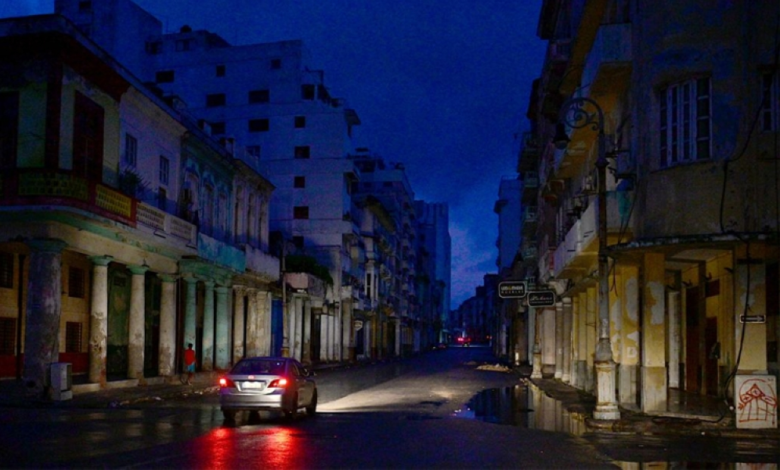
تتجلى الأزمة الحالية بشكل صارخ في قطاع الطاقة. حيث يعاني المواطنون من انقطاع التيار الكهربائي لساعات طويلة يوميًا، مما يشل الحياة اليومية ويؤثر على الخدمات الحيوية مثل المستشفيات. وتعود أسباب هذه الأزمة إلى البنية التحتية المتهالكة وصعوبة الحصول على الوقود اللازم لتشغيل محطات الطاقة، وهي صعوبات تفاقمت بسبب العقوبات الأمريكية التي تستهدف شحنات النفط القادمة إلى الجزيرة، خاصة من حليفتها فنزويلا. وتشير التقارير إلى أن ما يقرب من ثلثي الأراضي الكوبية تأثرت بانقطاع التيار في بعض الأيام الأخيرة، مما يوضح حجم المشكلة.
الأبعاد الإقليمية والدولية
لا يقتصر تأثير هذا الصراع الدبلوماسي على البلدين فقط، بل يمتد إلى الساحة الدولية. ففي كل عام، تصوت الجمعية العامة للأمم المتحدة بأغلبية ساحقة على قرار يدعو الولايات المتحدة إلى إنهاء الحصار المفروض على كوبا، مما يعكس عزلة الموقف الأمريكي على الصعيد العالمي. ويبقى الشعب الكوبي هو المتضرر الأكبر من هذا الصراع السياسي الطويل، حيث يجد نفسه عالقًا بين سياسات واشنطن الصارمة ومقاومة حكومته، في انتظار حل يخفف من معاناته اليومية.