The Red Crescent in Al-Baha raises its readiness to deal with rain and floods

The Saudi Red Crescent Authority in the Al-Baha region announced a state of full readiness and alert at all its ambulance centers in anticipation of the expected rainfall and weather fluctuations in the region during December. This step comes as an activation of the Authority's approved emergency plans for dealing with the rainy season and flash floods, and to ensure the availability of all necessary human and logistical resources to serve the region's residents and visitors.
Enhancing operational capabilities in mountainous areas
As part of its field preparations, the authority confirmed the readiness of all ambulance stations throughout the region, allocating 22 ambulance teams equipped with the latest medical technologies, in addition to supporting the field with 5 rapid response teams. Rapid response teams are of paramount importance in the Al-Baha region due to its mountainous geography and rugged terrain, which facilitates faster access to emergency cases in critical situations compared to traditional ambulances in some locations.
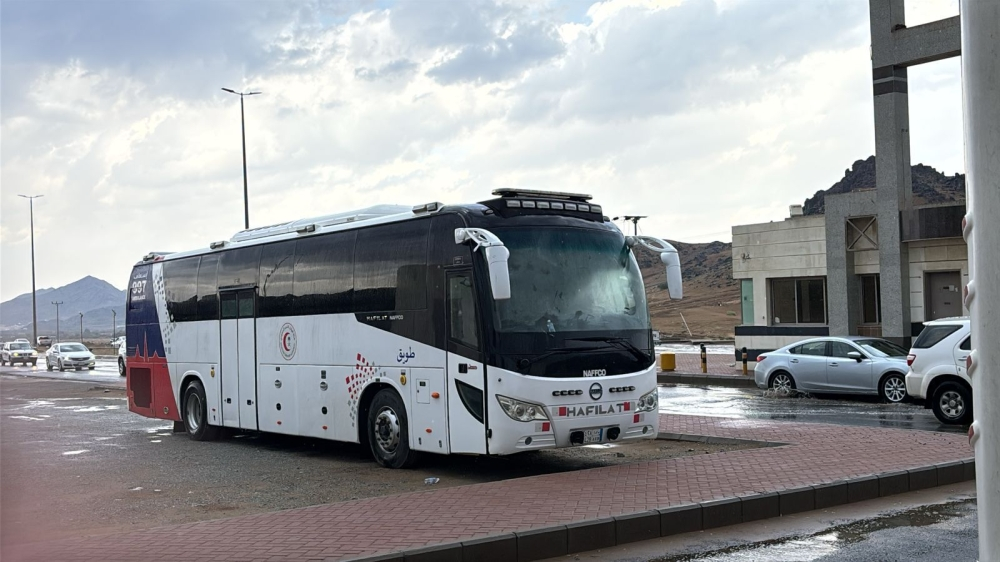
The preparations also included activating heavy and specialized machinery, including the disaster bus (Ahad bus) dedicated to responding to accidents that result in multiple injuries, in order to ensure rapid intervention and provide the best ambulance services to beneficiaries with high efficiency, and reduce the response time to reports during the period of rainfall that may cause traffic disruption.
The importance of community awareness and safety measures
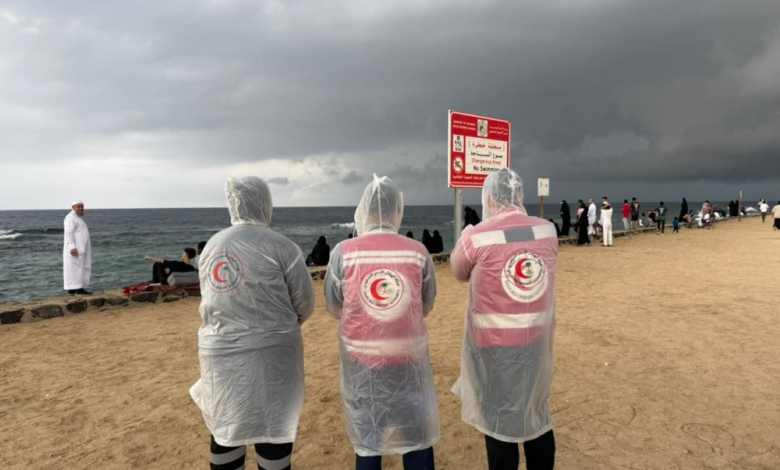
In conjunction with these preparations, the authority urged all citizens and residents to fully comply with the instructions issued by the relevant authorities and to follow preventive safety measures during rainfall. The authority emphasized the danger of being near flood channels or attempting to cross wadis while they are flowing, as well as avoiding areas where water accumulates, which may conceal deep sinkholes or strong currents.
The authority also called on drivers to adhere to traffic safety rules and to be cautious of slips due to rain or low horizontal visibility due to the dense fog that the highlands of Al-Baha are known for, while stressing the need to leave the way open for ambulance teams and civil defense vehicles to perform their humanitarian tasks effectively and quickly.
Digital emergency communication channels
In the context of digital transformation to facilitate ambulance service requests, the authority explained that its operations room receives reports around the clock via the unified emergency number 997.It also urged everyone to utilize available smart applications such as the “Is’afni” (Rescue Me) app, the “Tawakkalna” (Trust) app, and the “Absher” app, which allow for highly accurate location tracking, thus contributing to the rapid arrival of ambulance teams. The authority called on everyone not to hesitate to request immediate assistance when needed, God forbid.